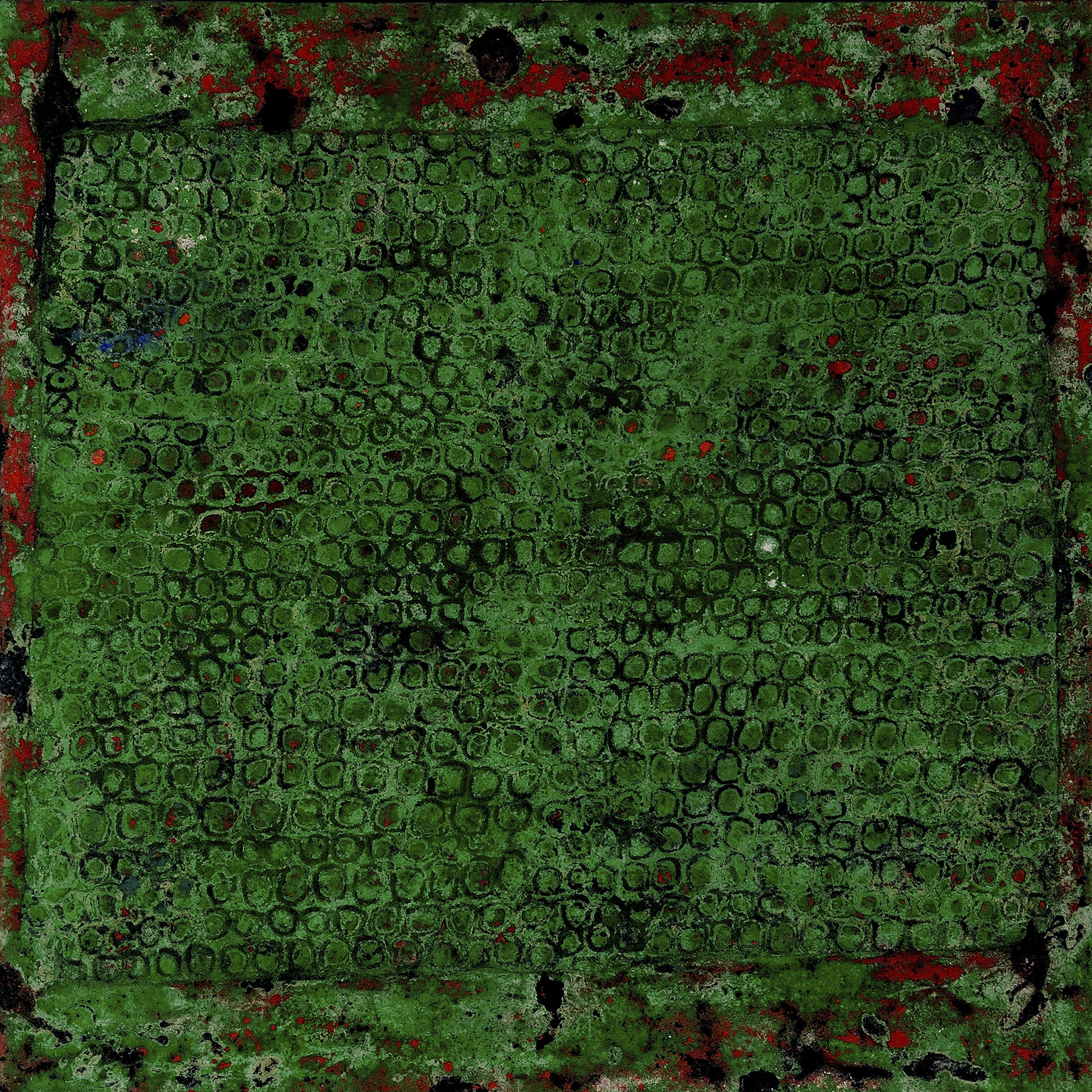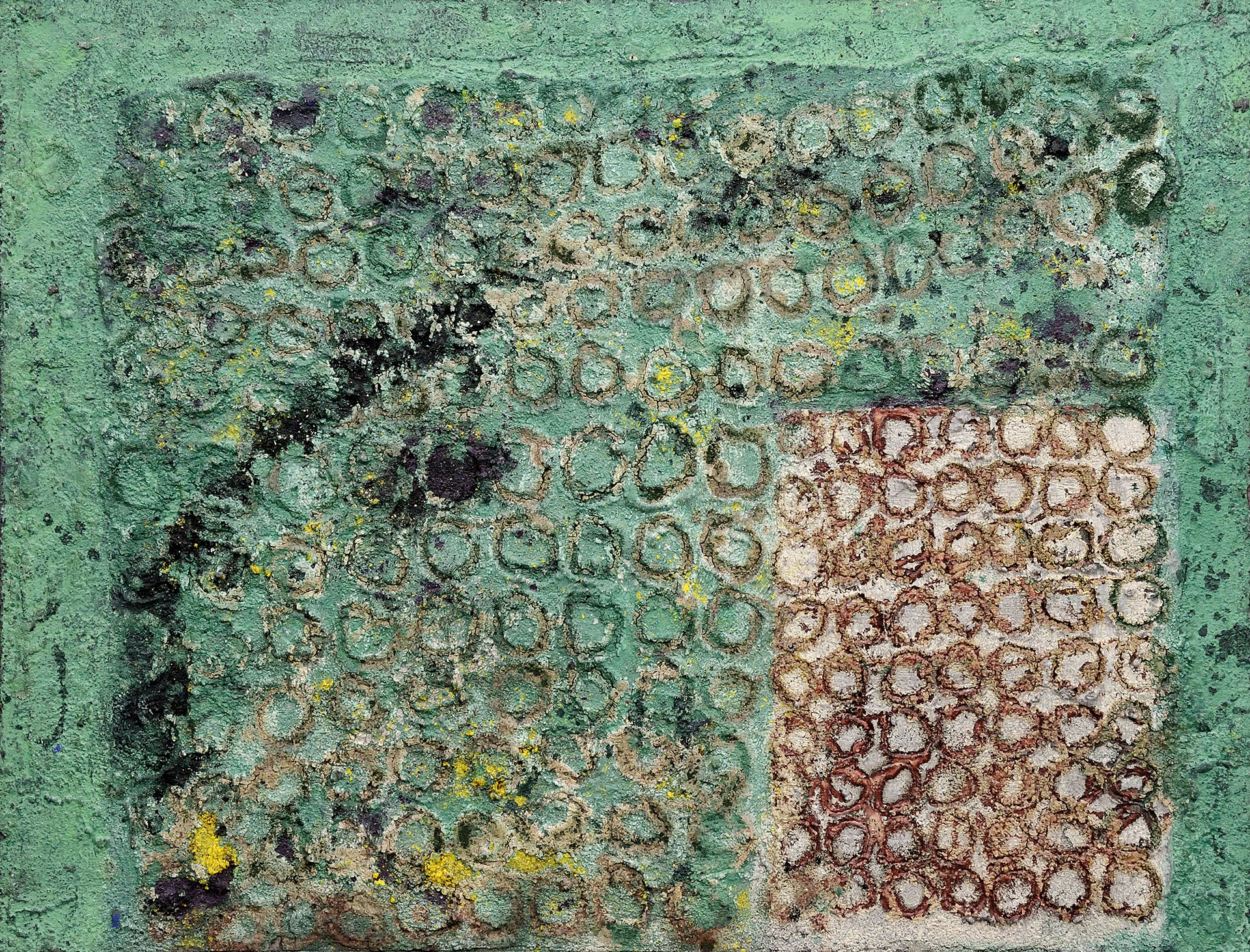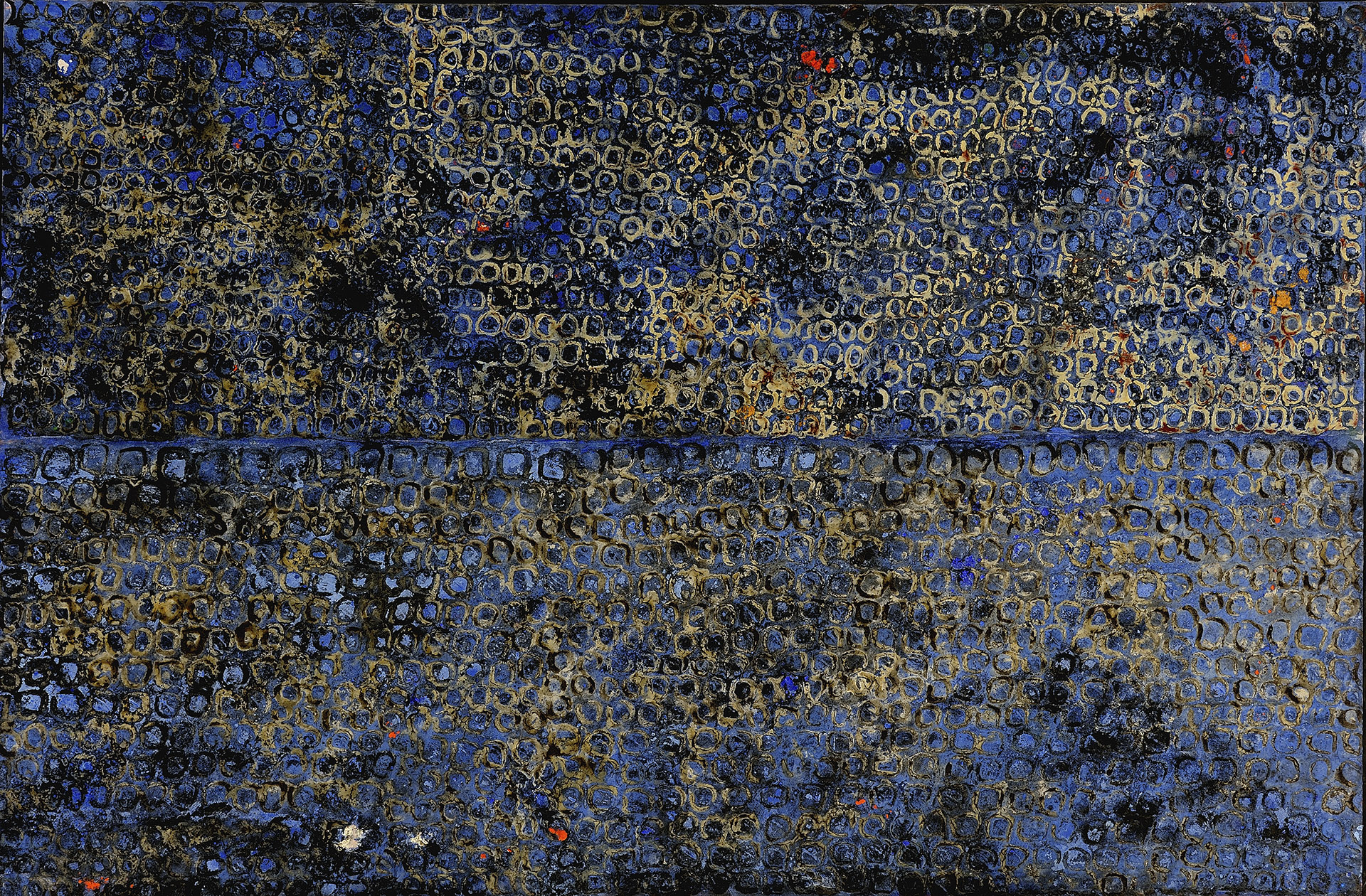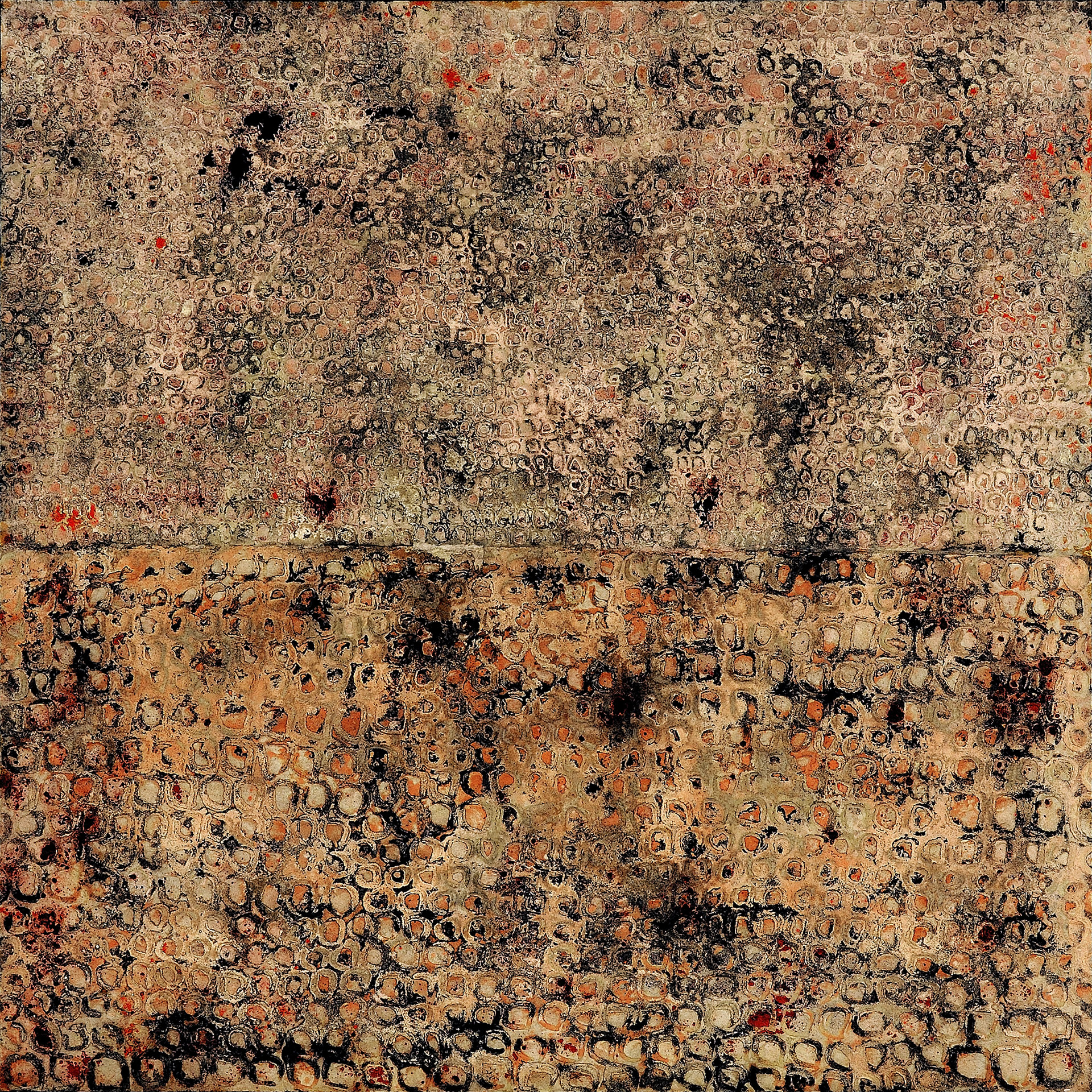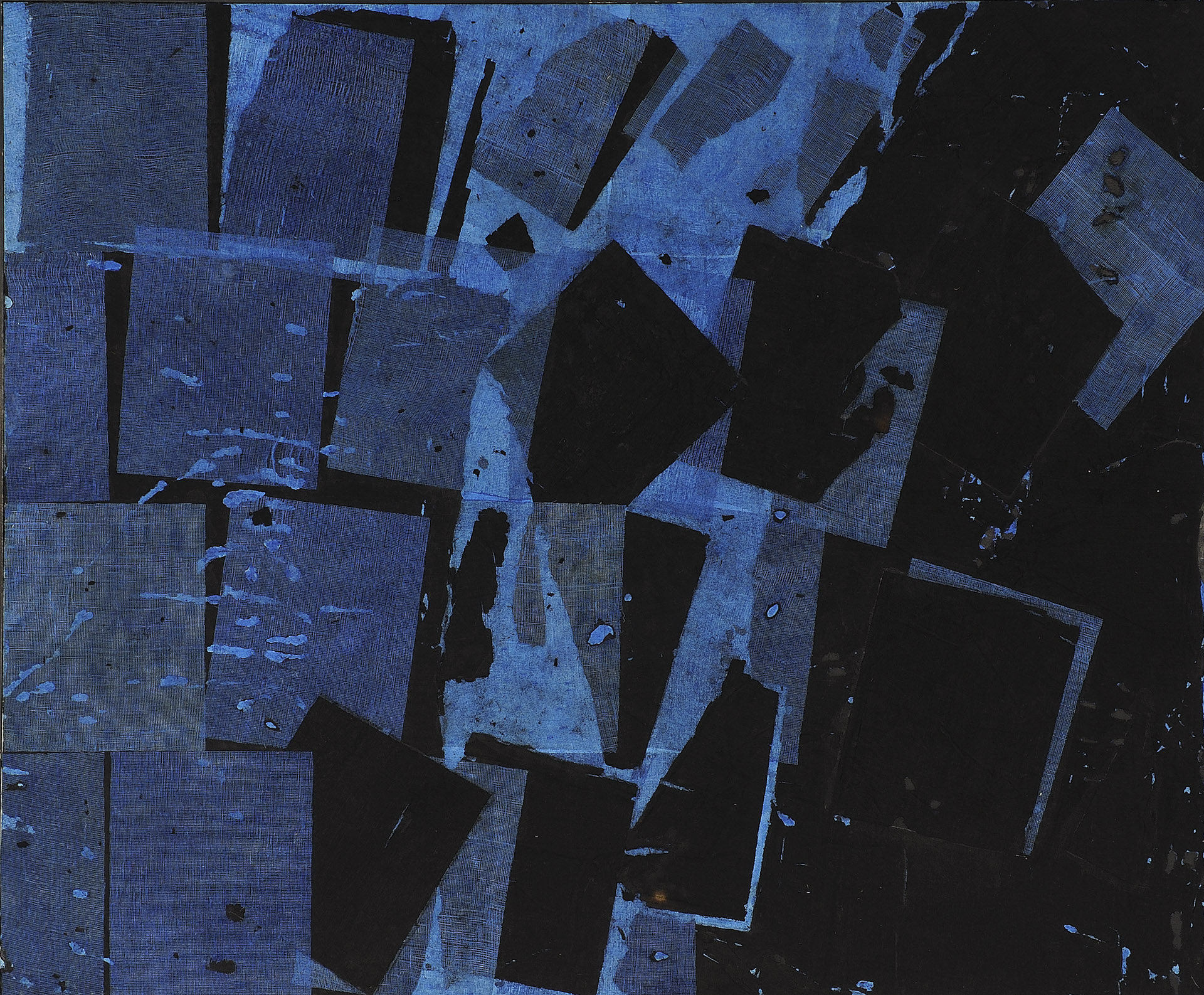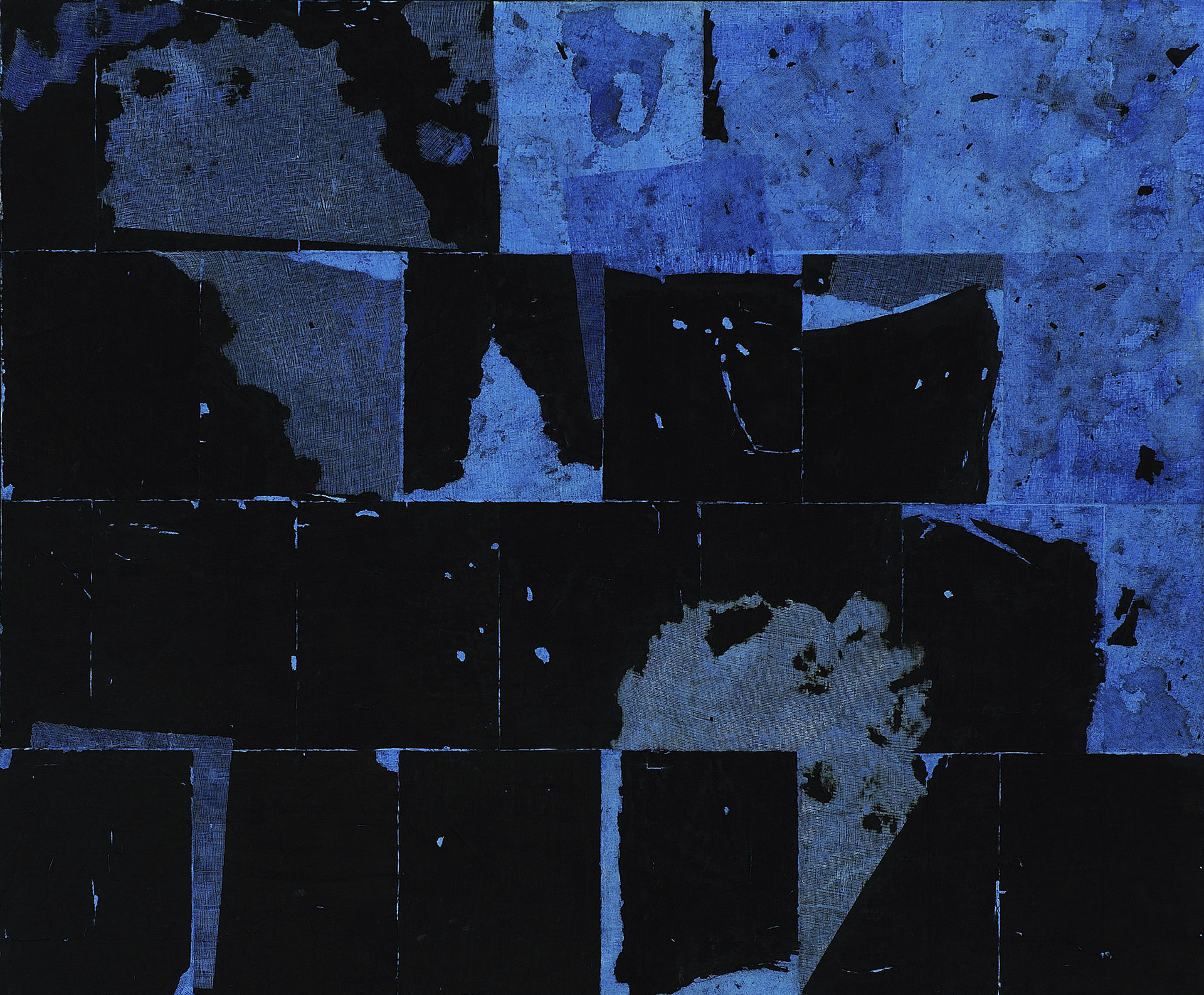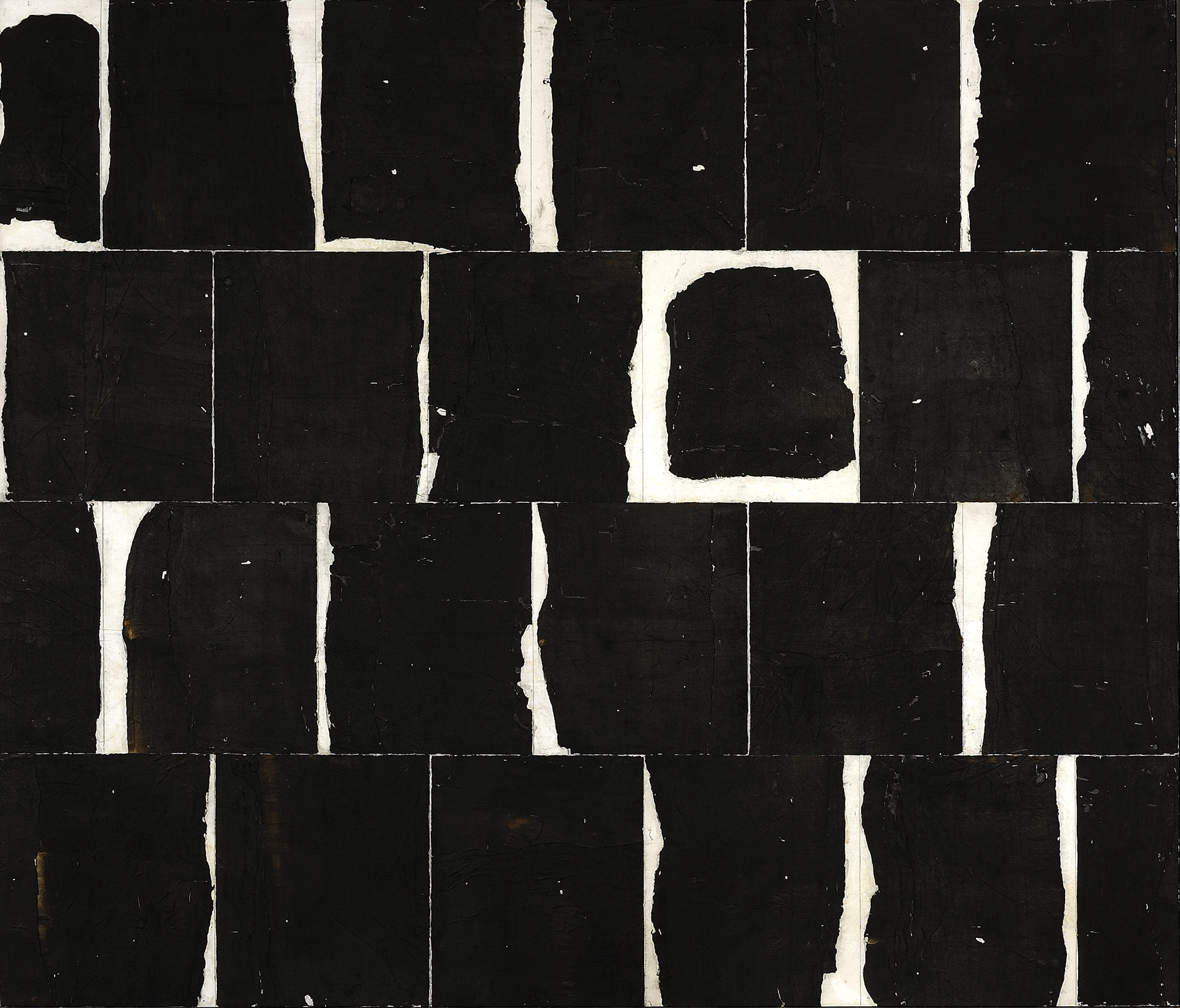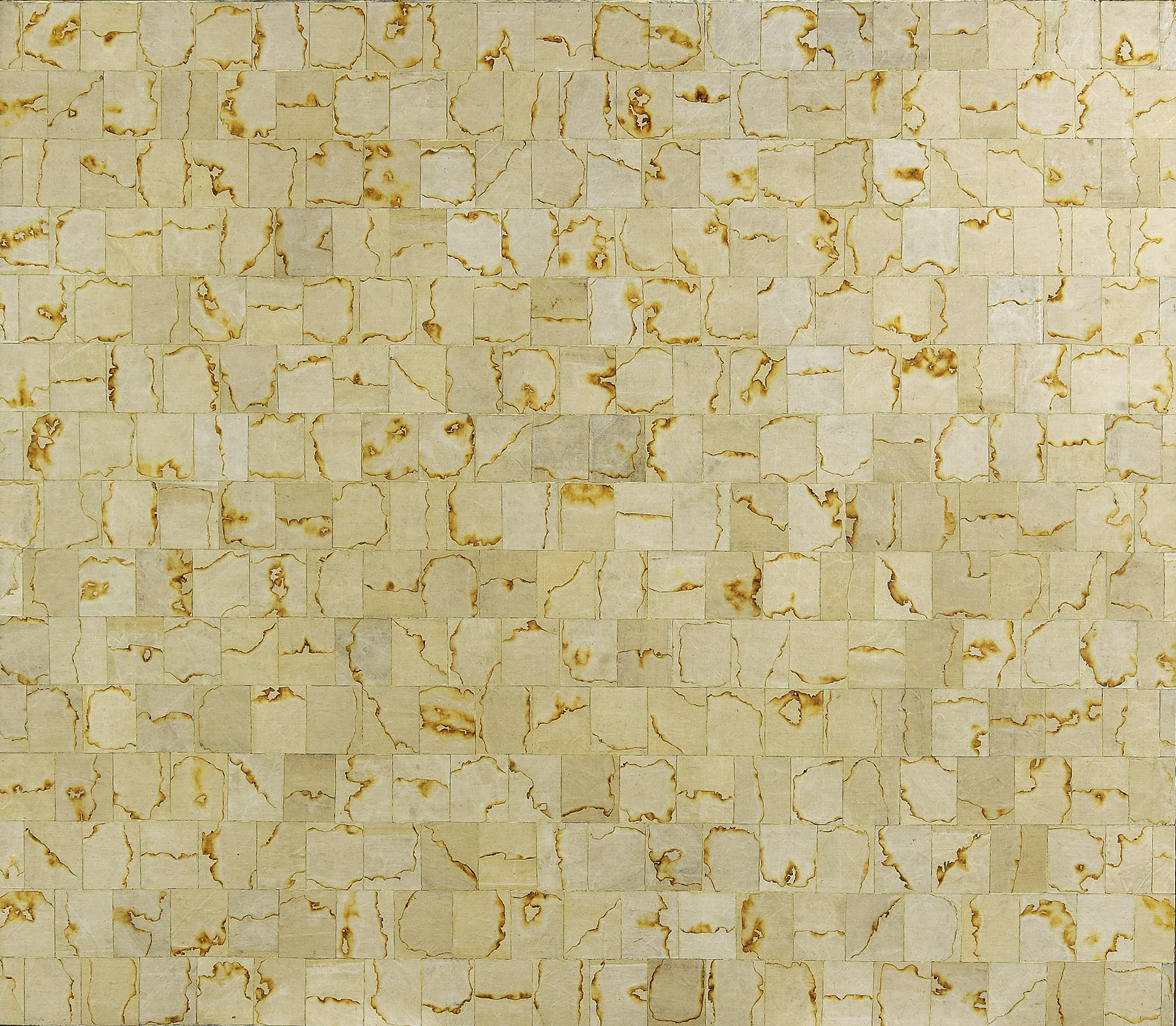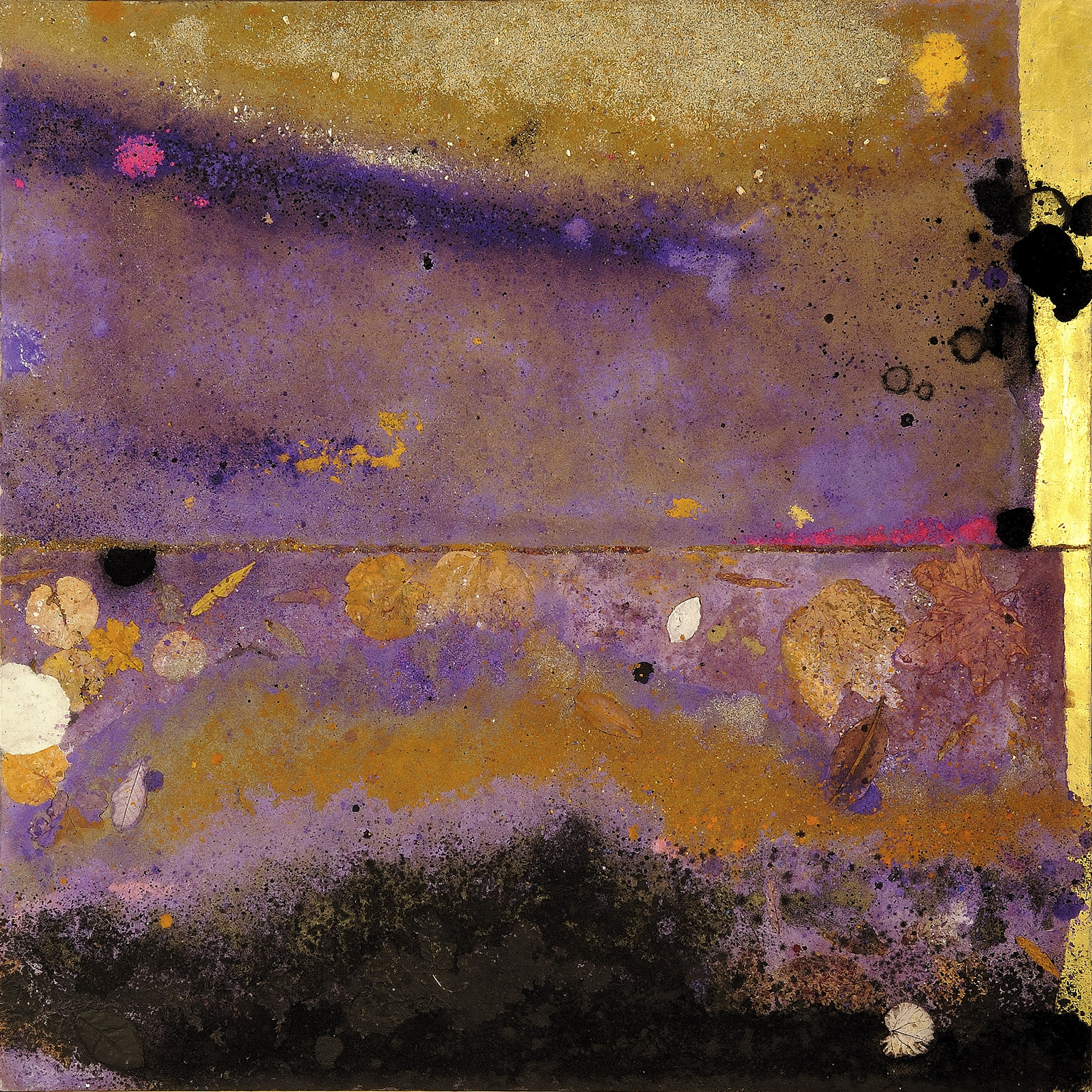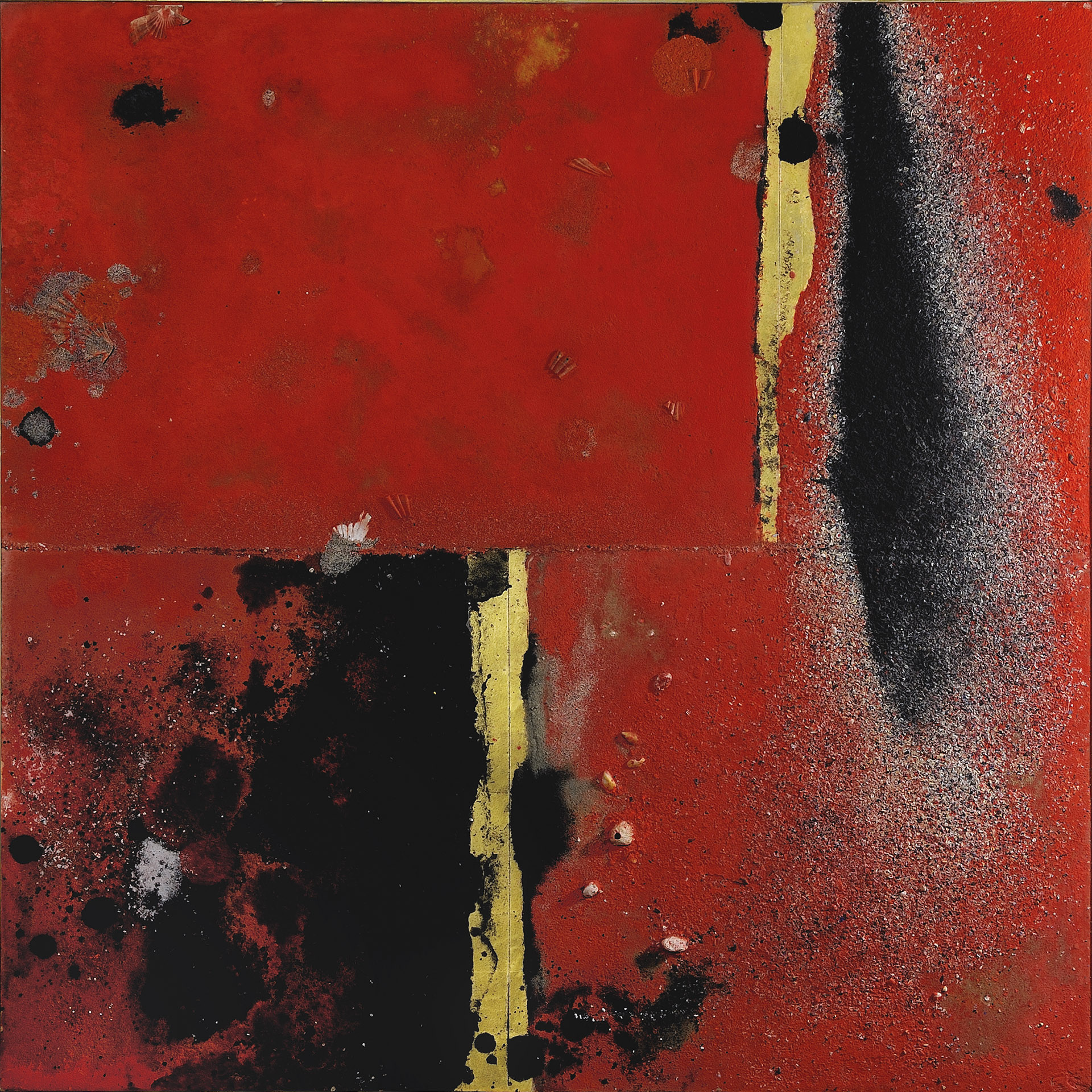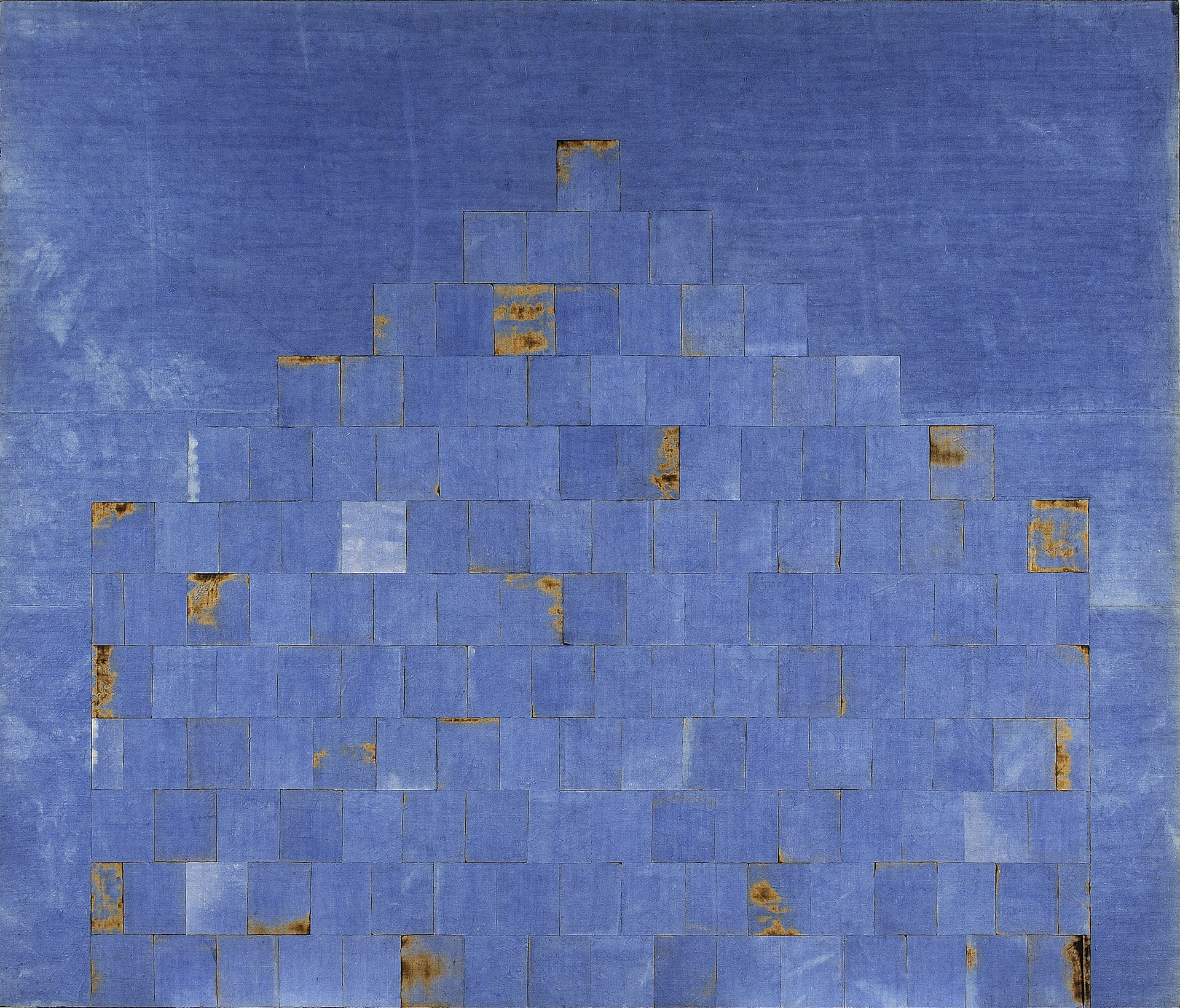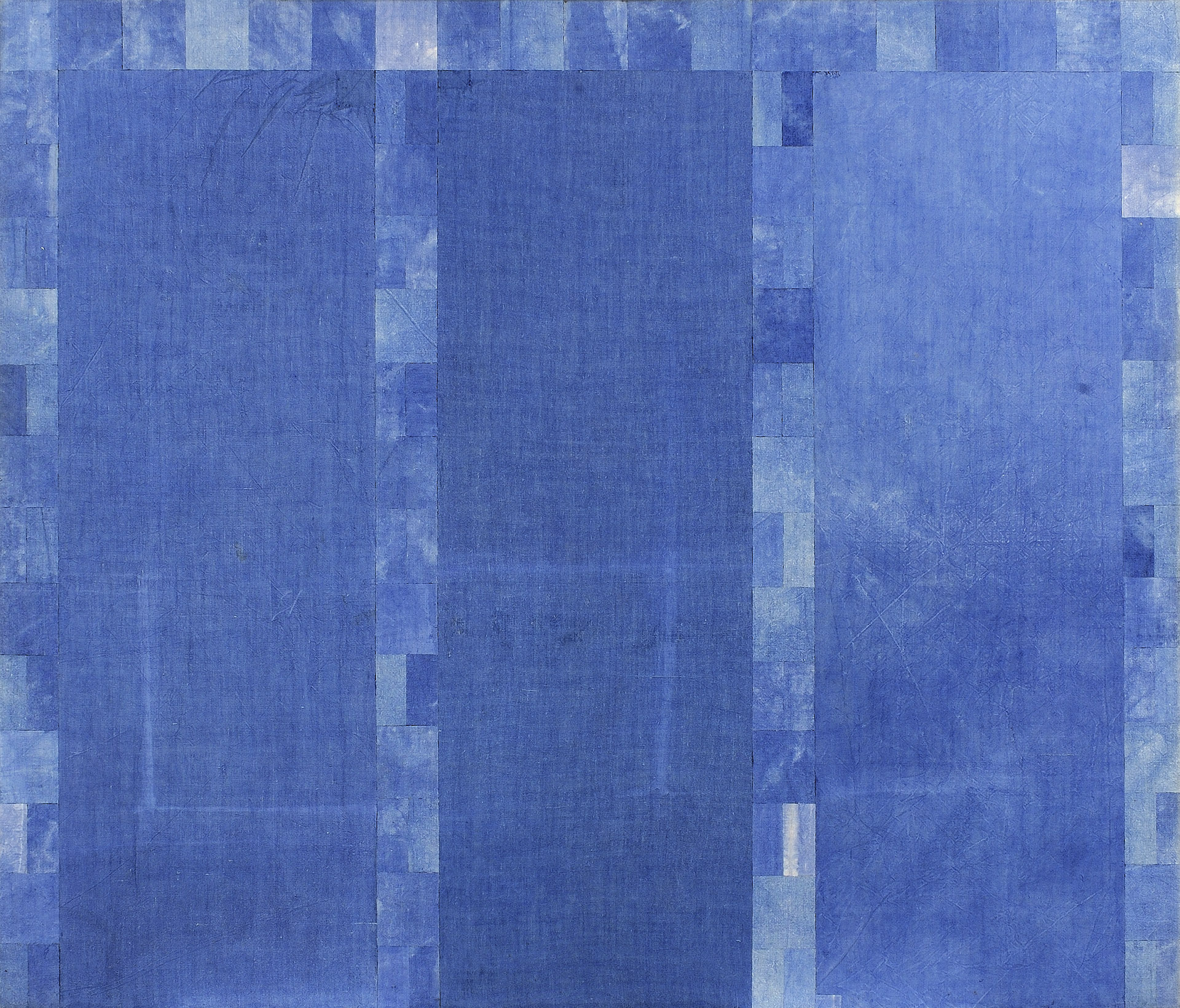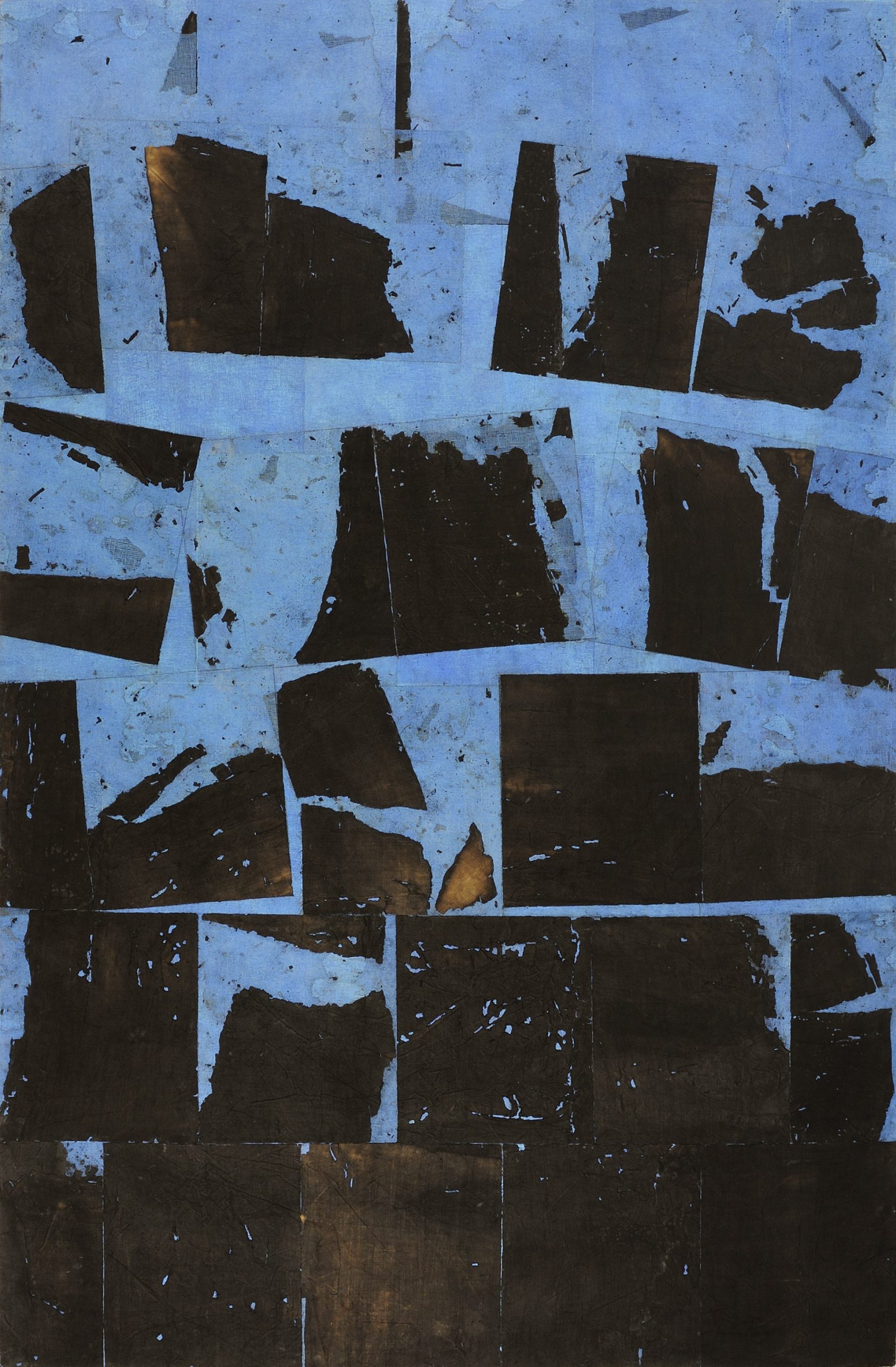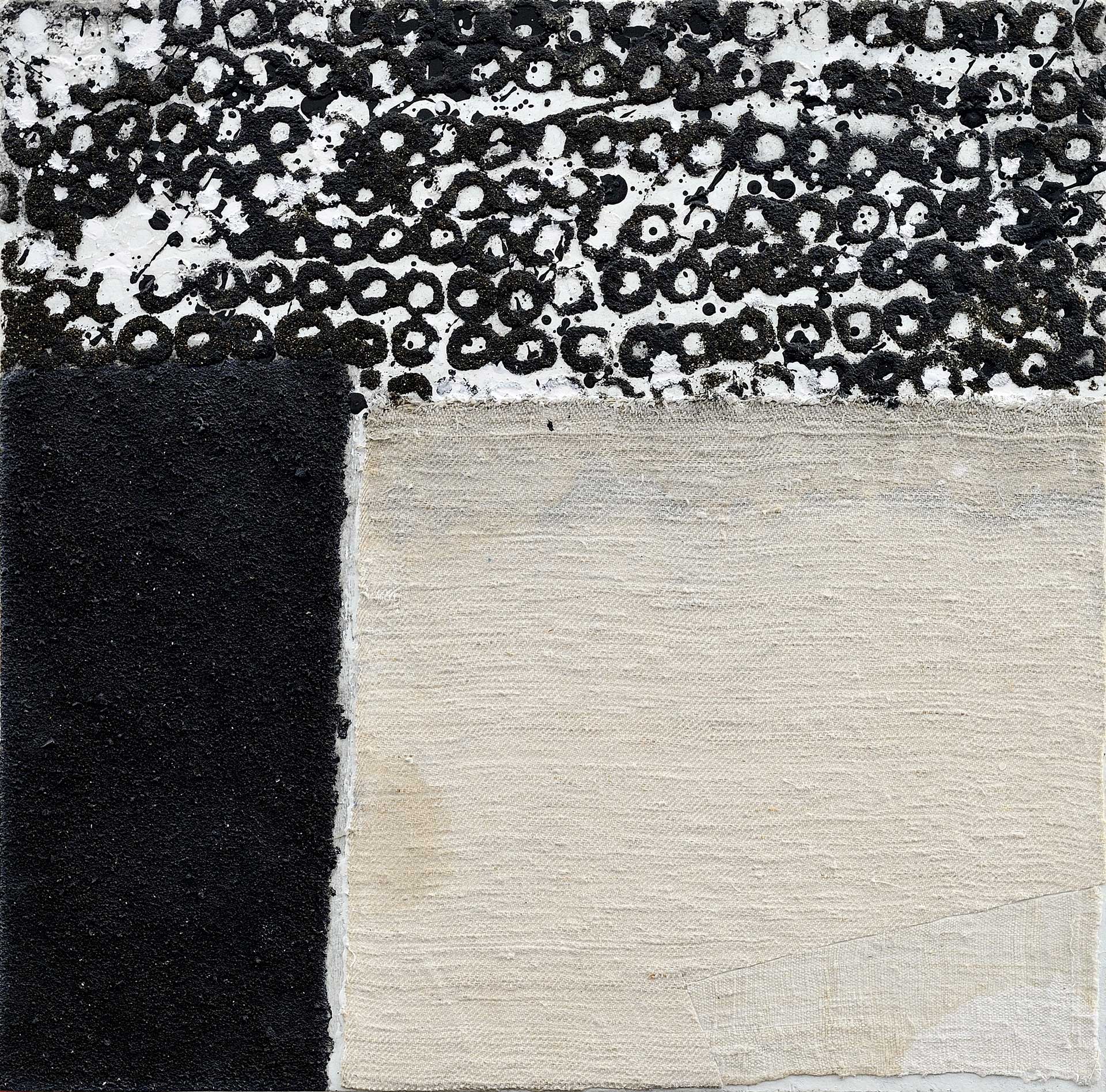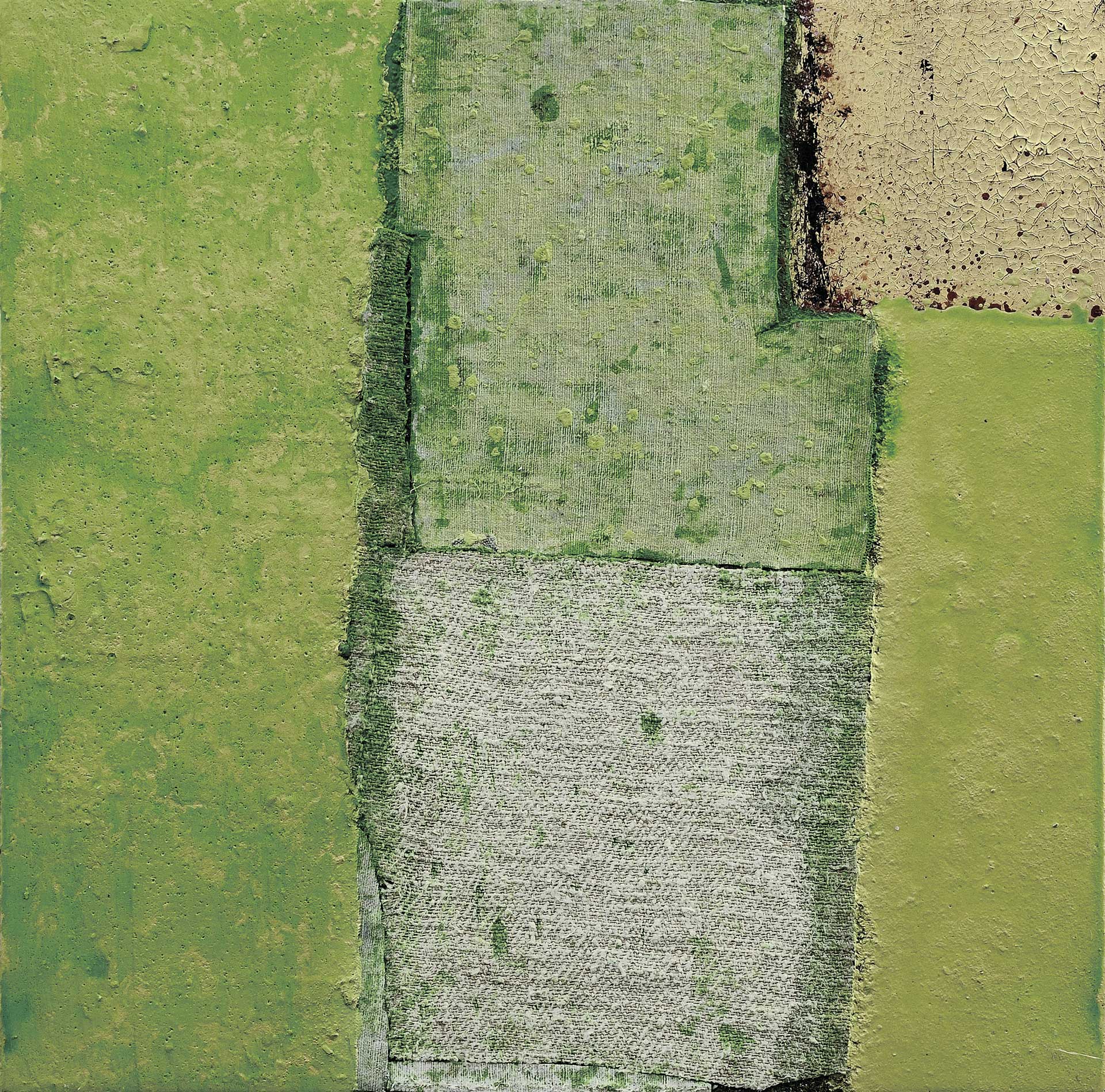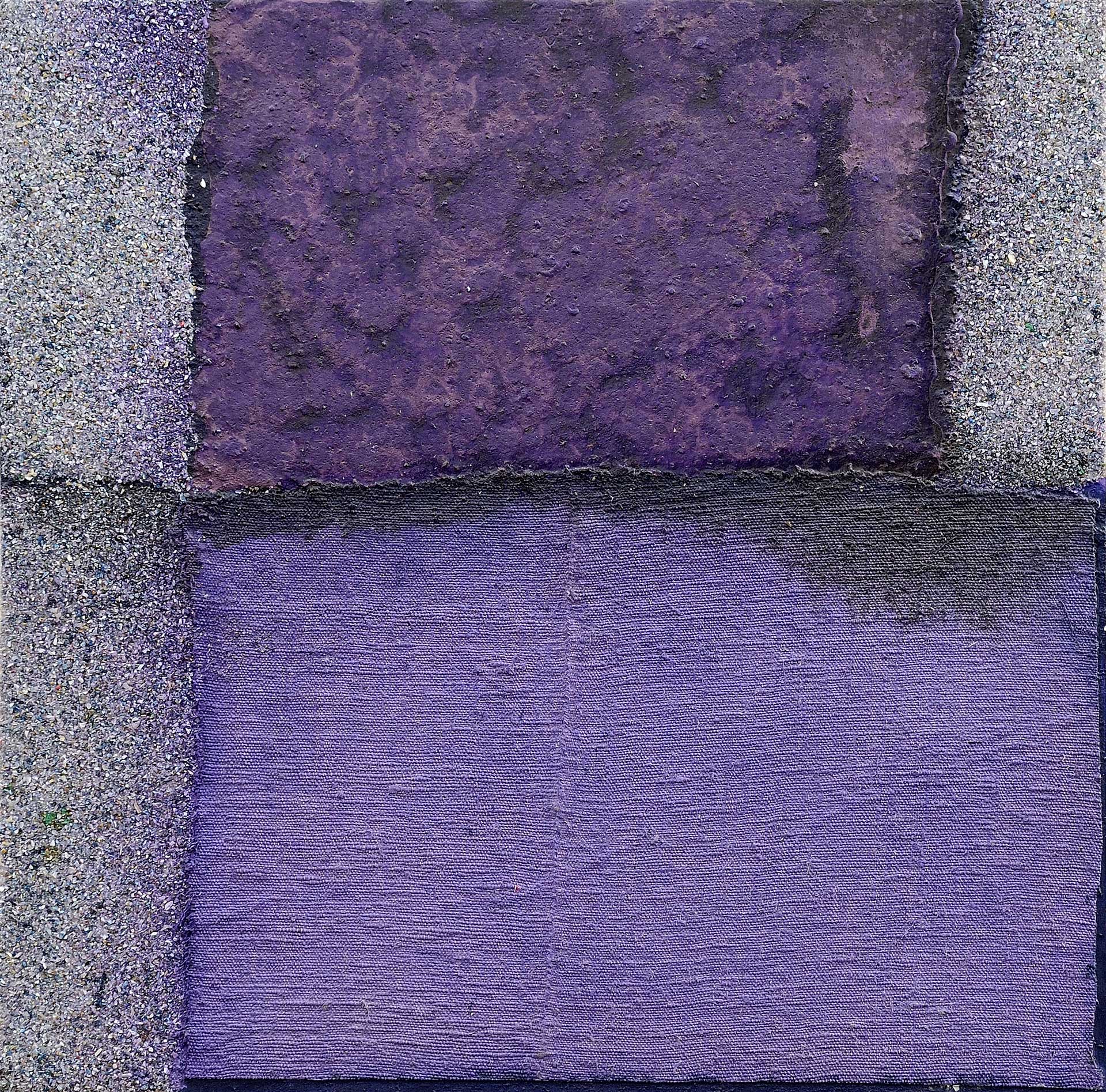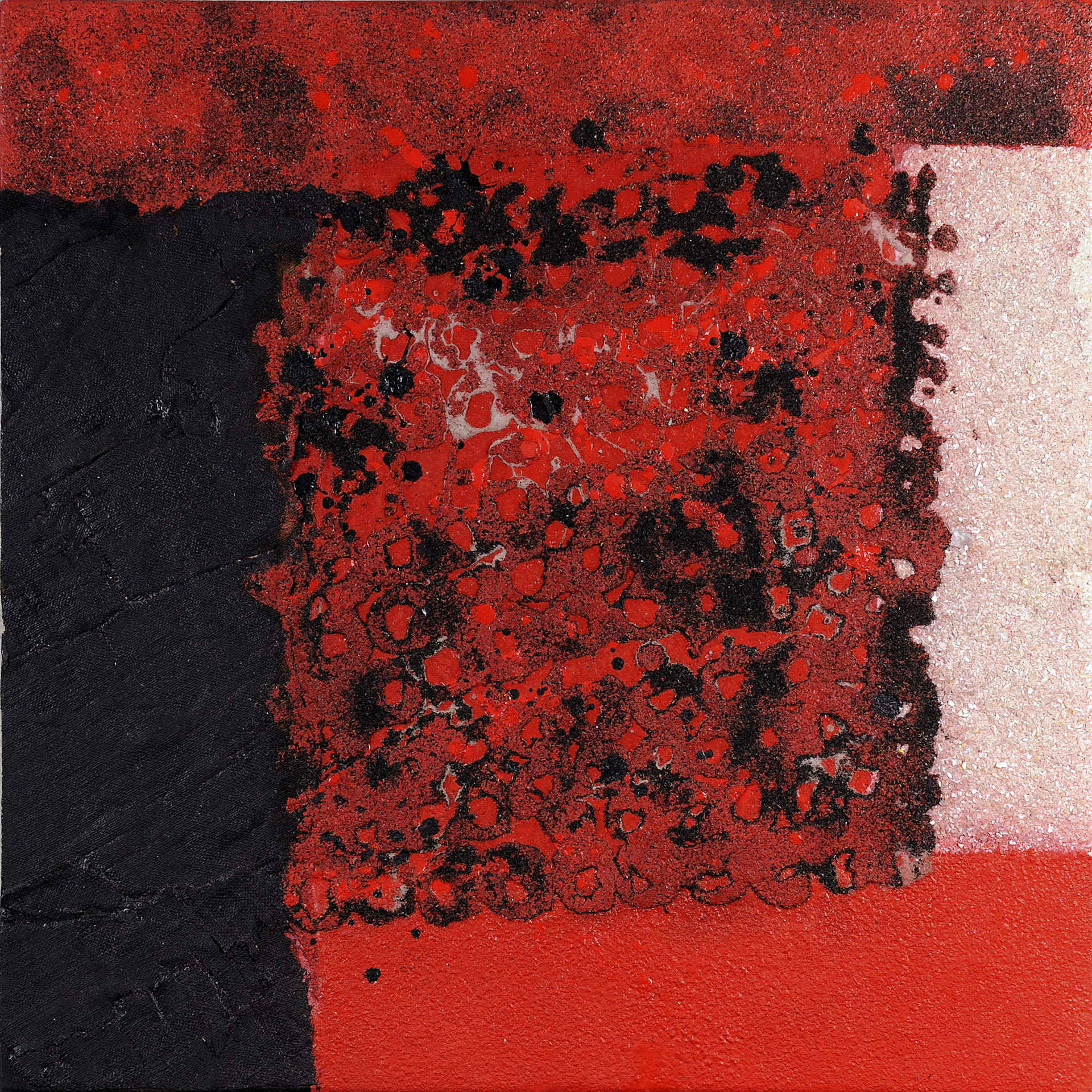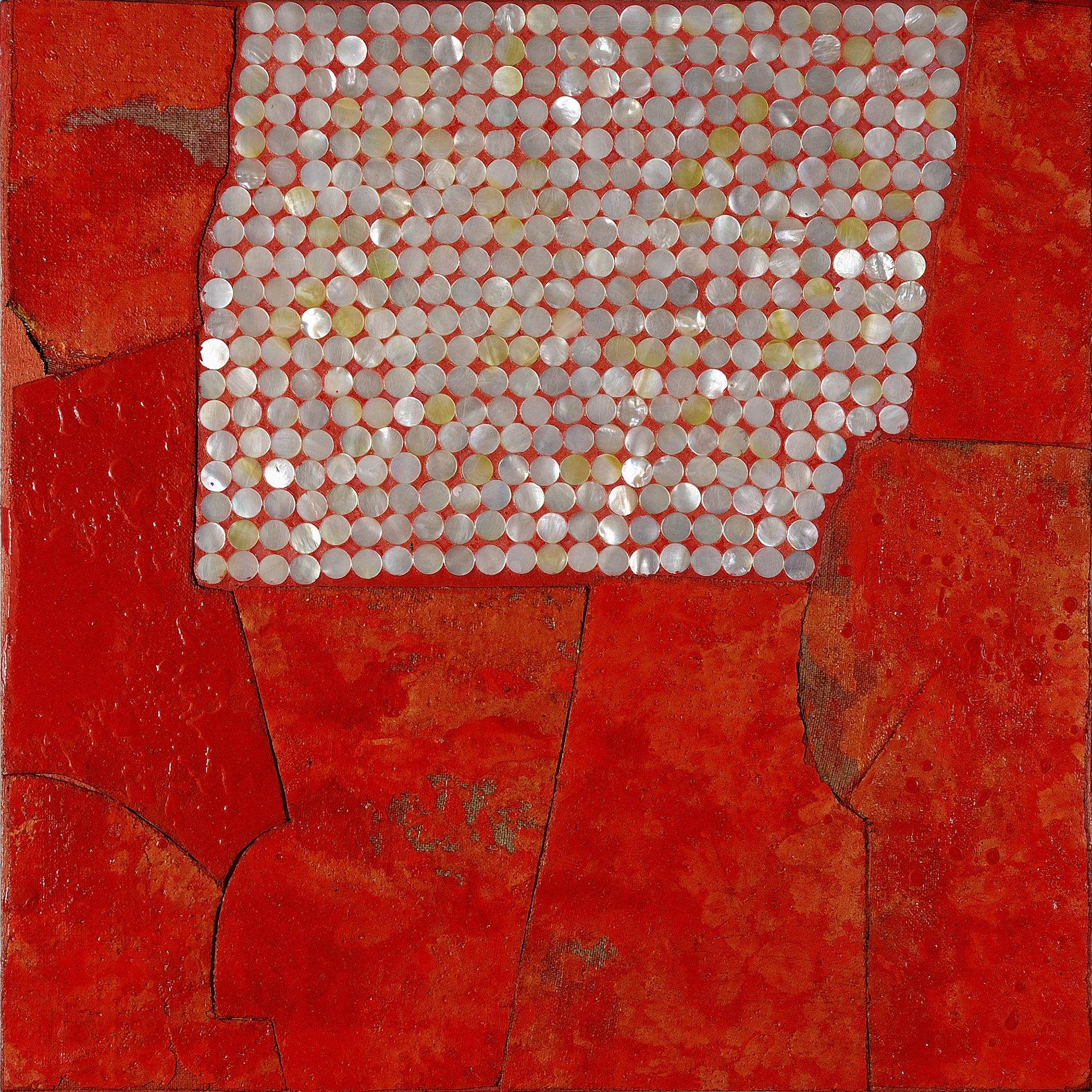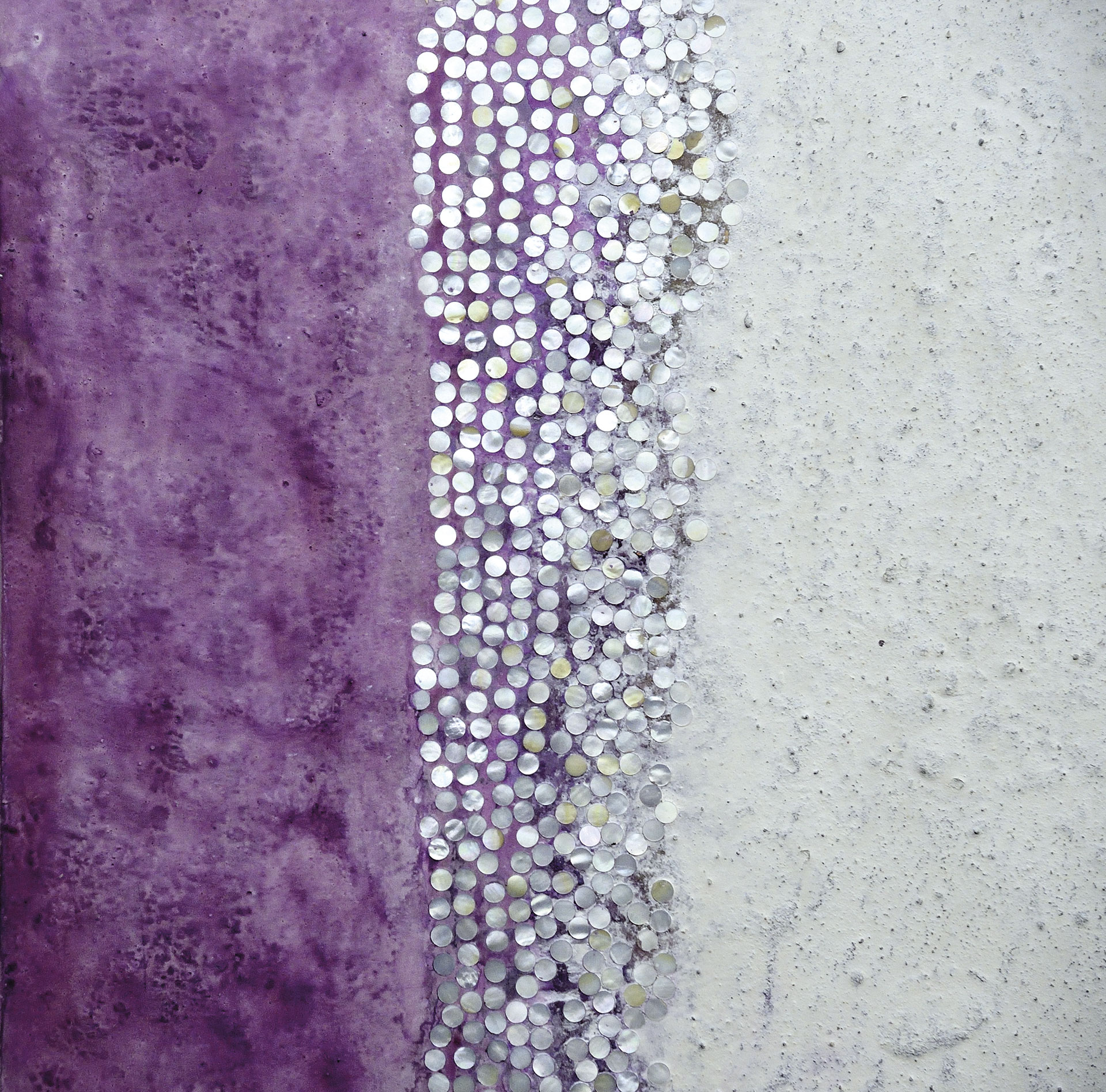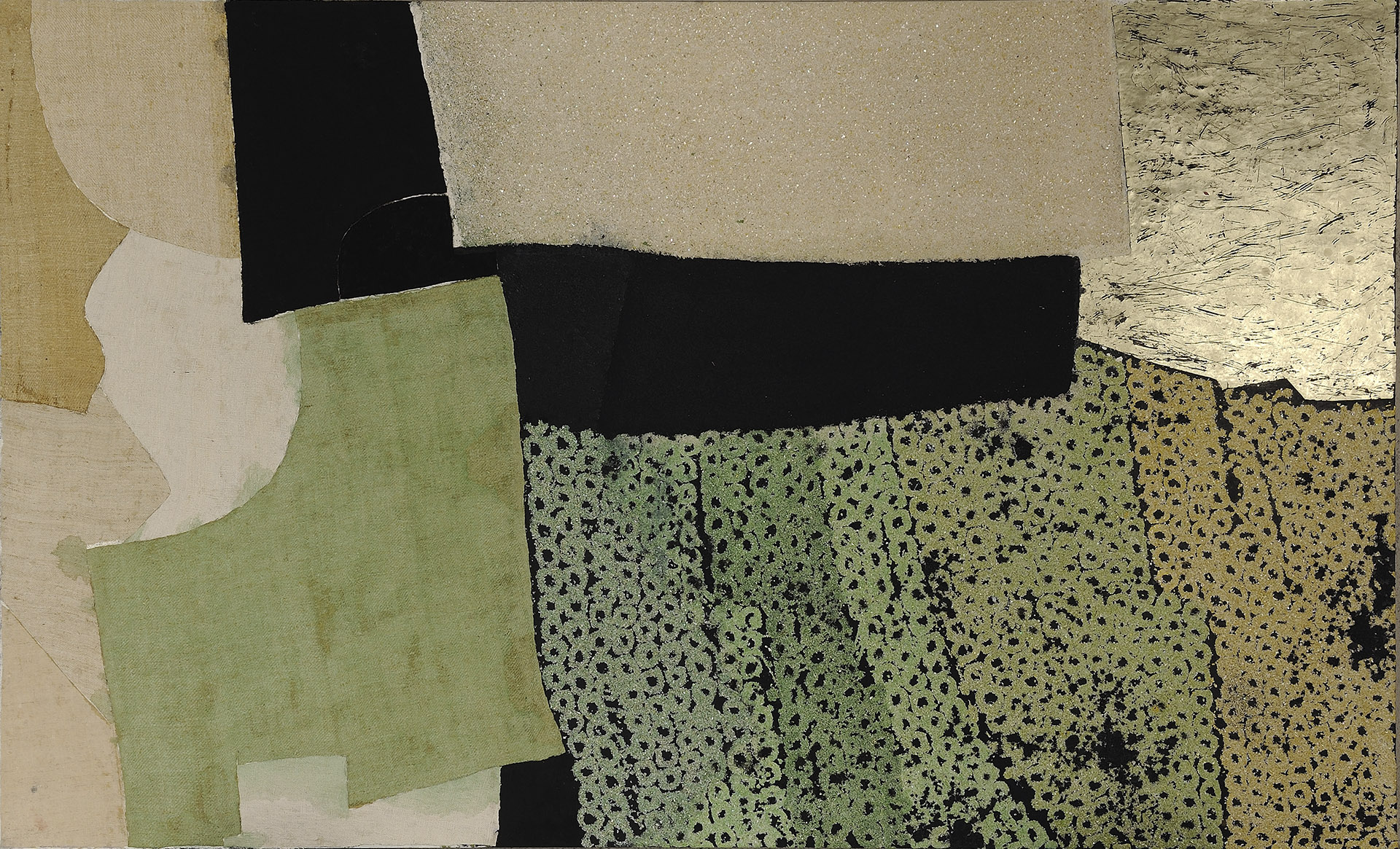
La struttura della “pittura” – I muri (1955 – 2013)
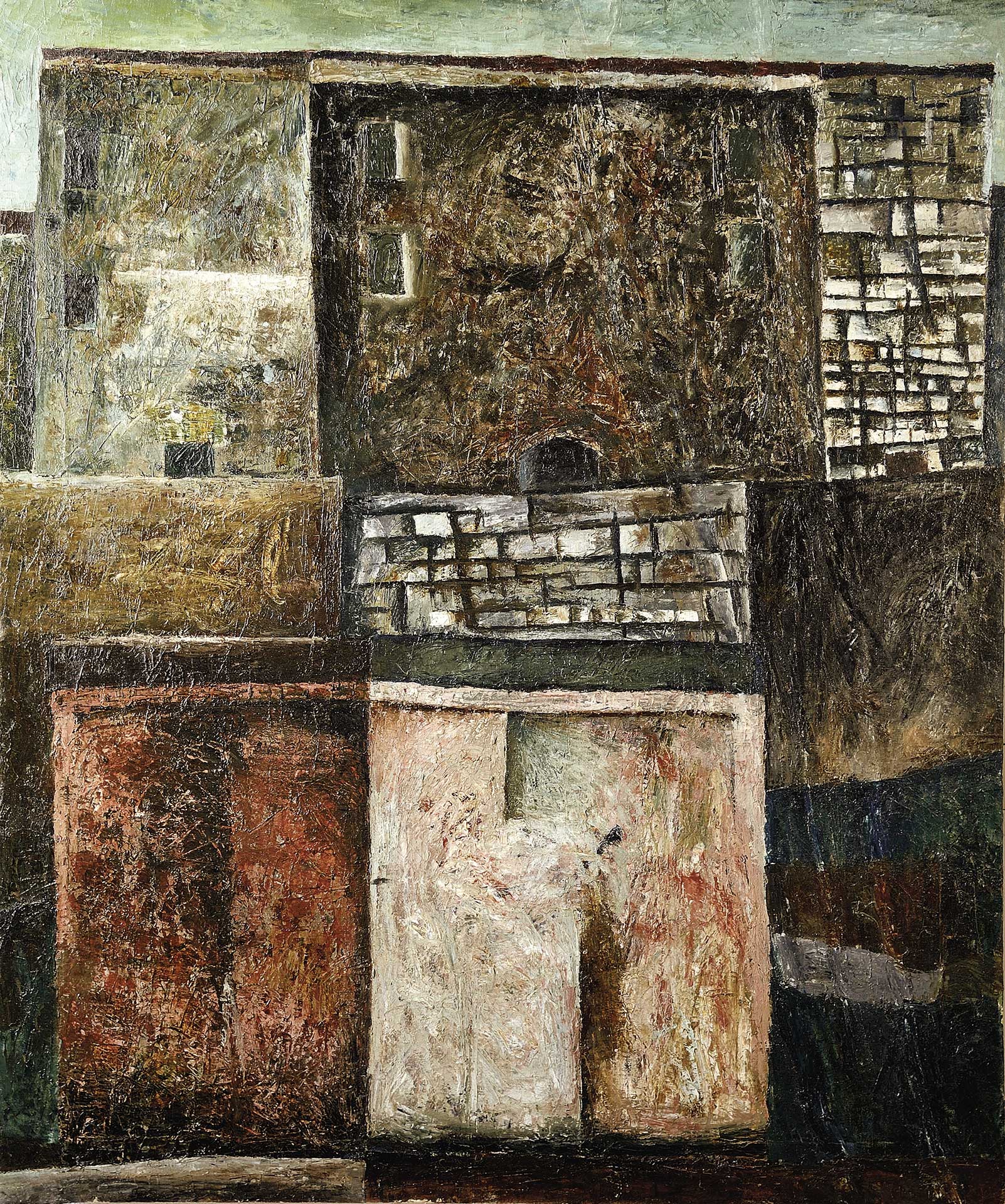
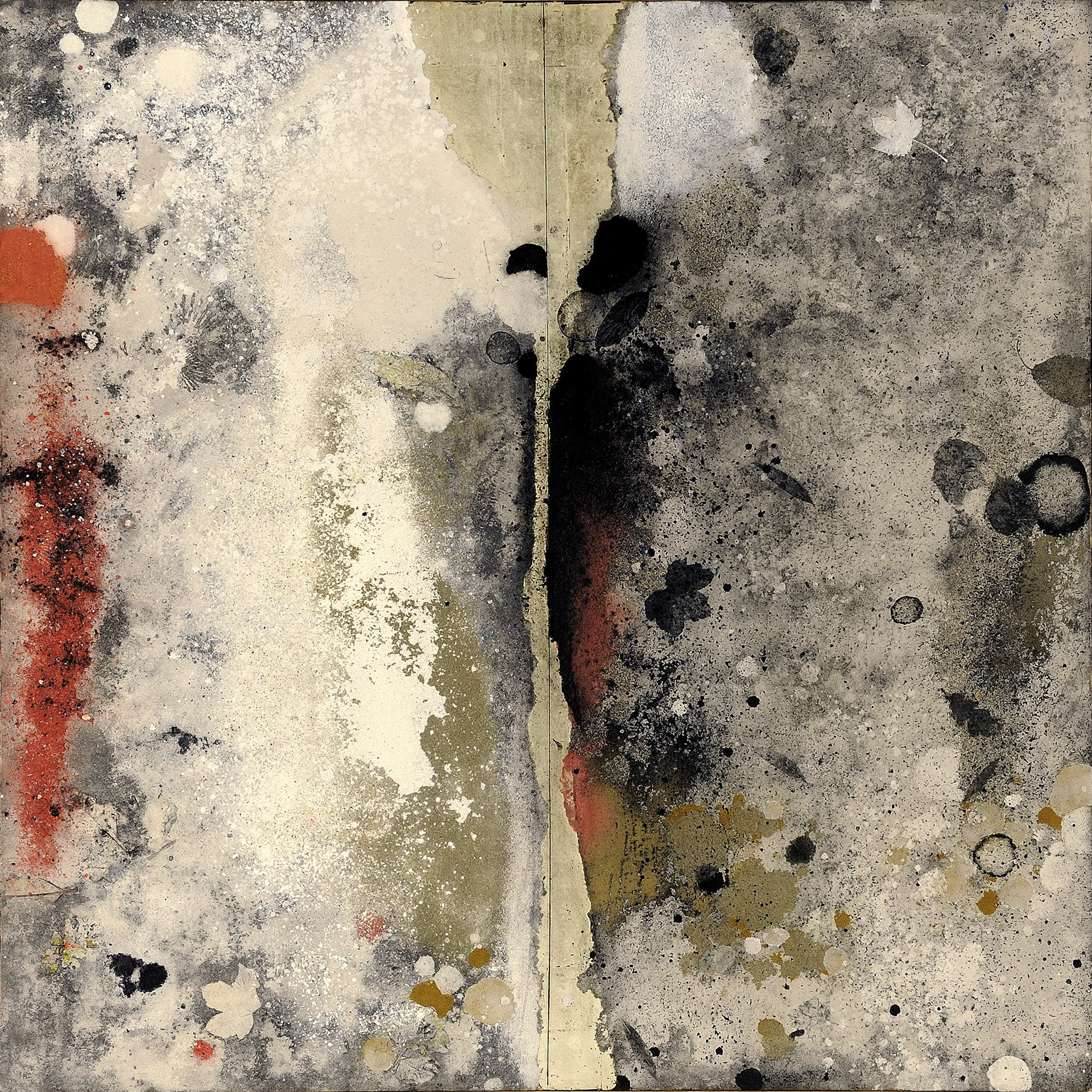
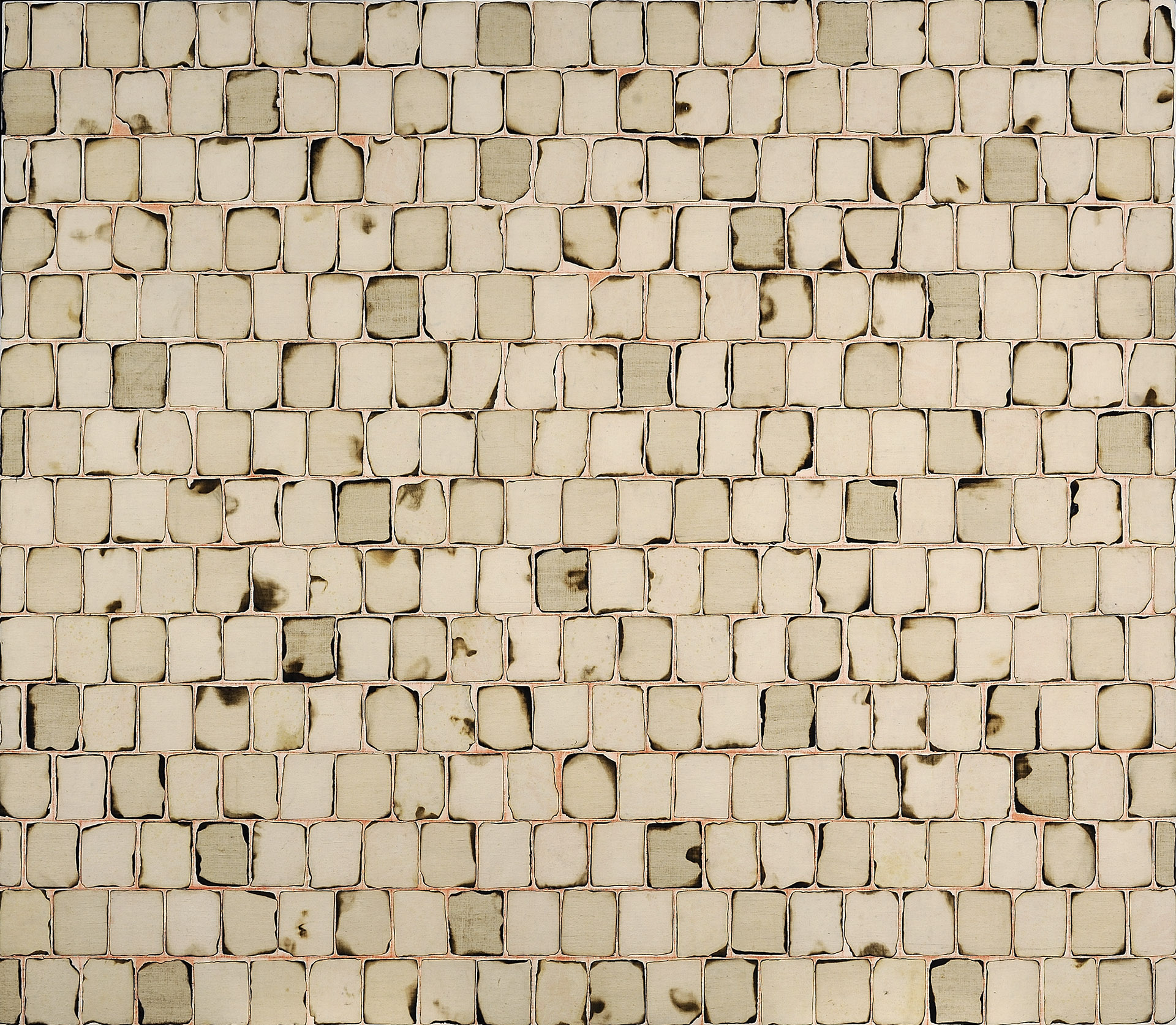
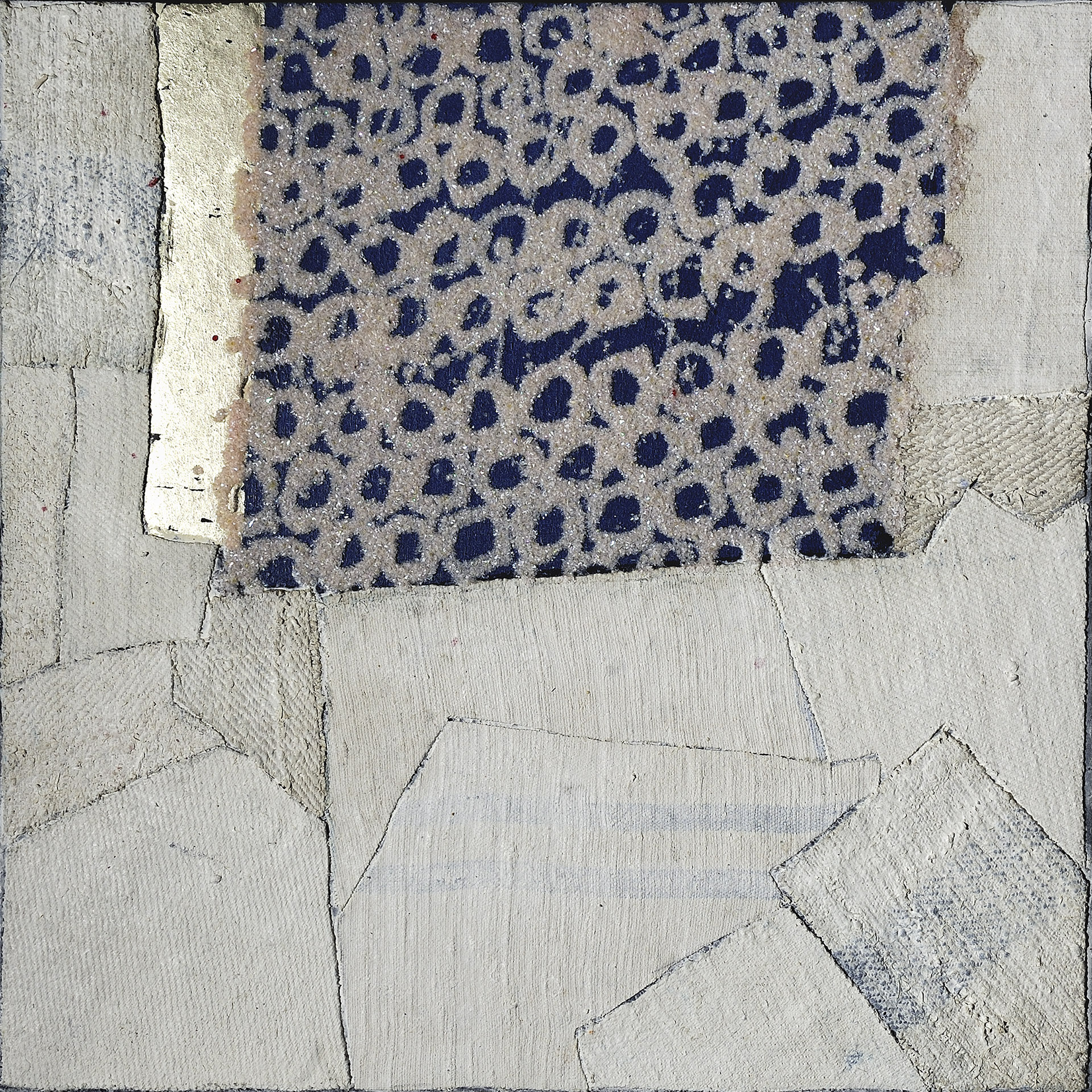
Arranged across two registers, La Rocca (1955) reveals in nuce the early intuition of the formidable theme of the wall, which over the course of just a few years underwent a rapid, almost instantaneous development, leading to the accomplished, mature series exhibited in 1958 at Galleria l’Ariete in Milan, with an authoritative critical introduction by Franco Russoli. What captured Piattella’s imagination here were the vertically developed medieval structures of Cantiano (PU): while still a university student, he had already begun travelling the Via Flaminia from Urbino, encountering rows of simple houses clinging to confined spaces carved out of the rock on the spur overlooking, at a natural bottleneck, a stretch of the ancient Roman consular road.
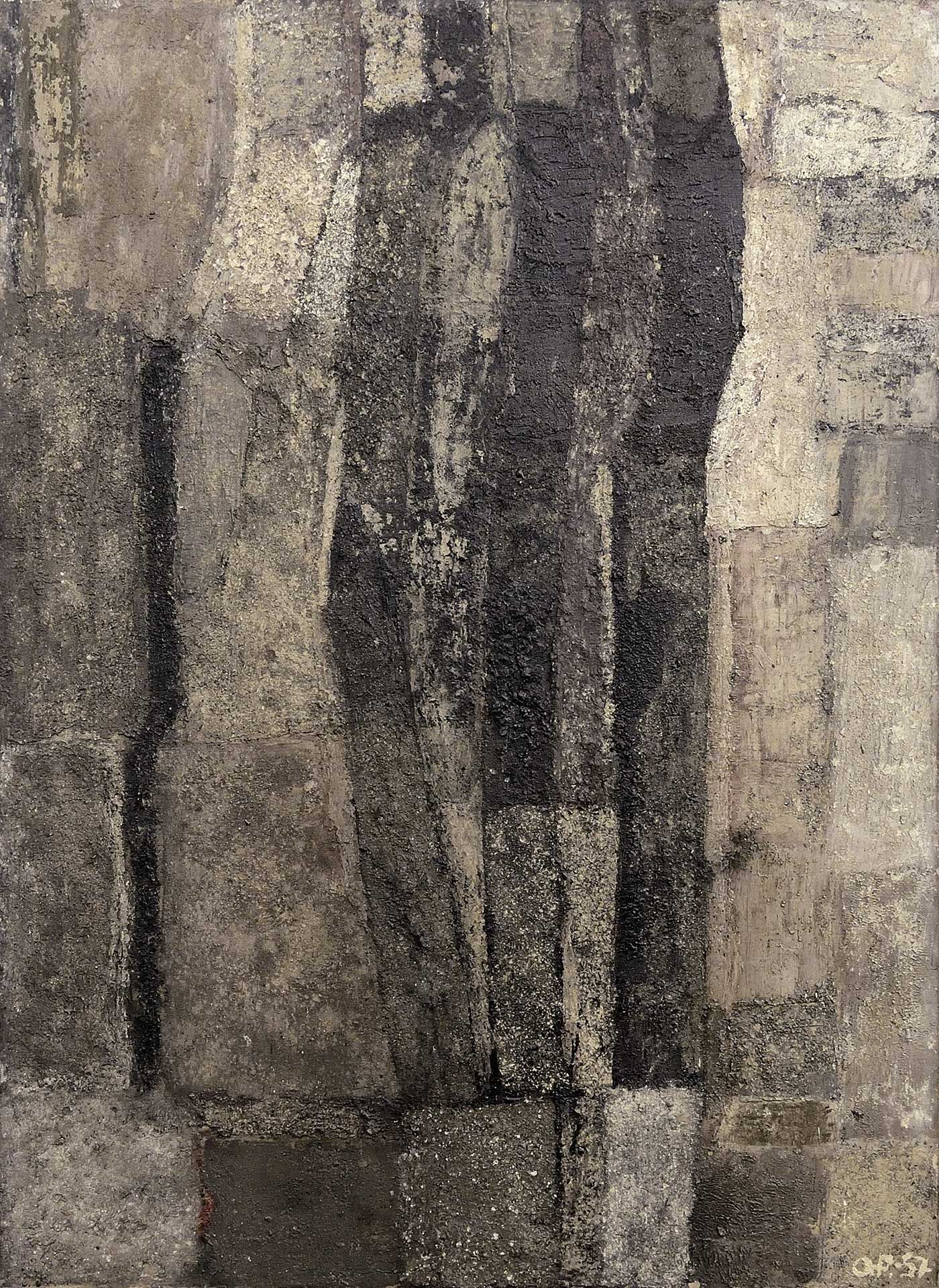
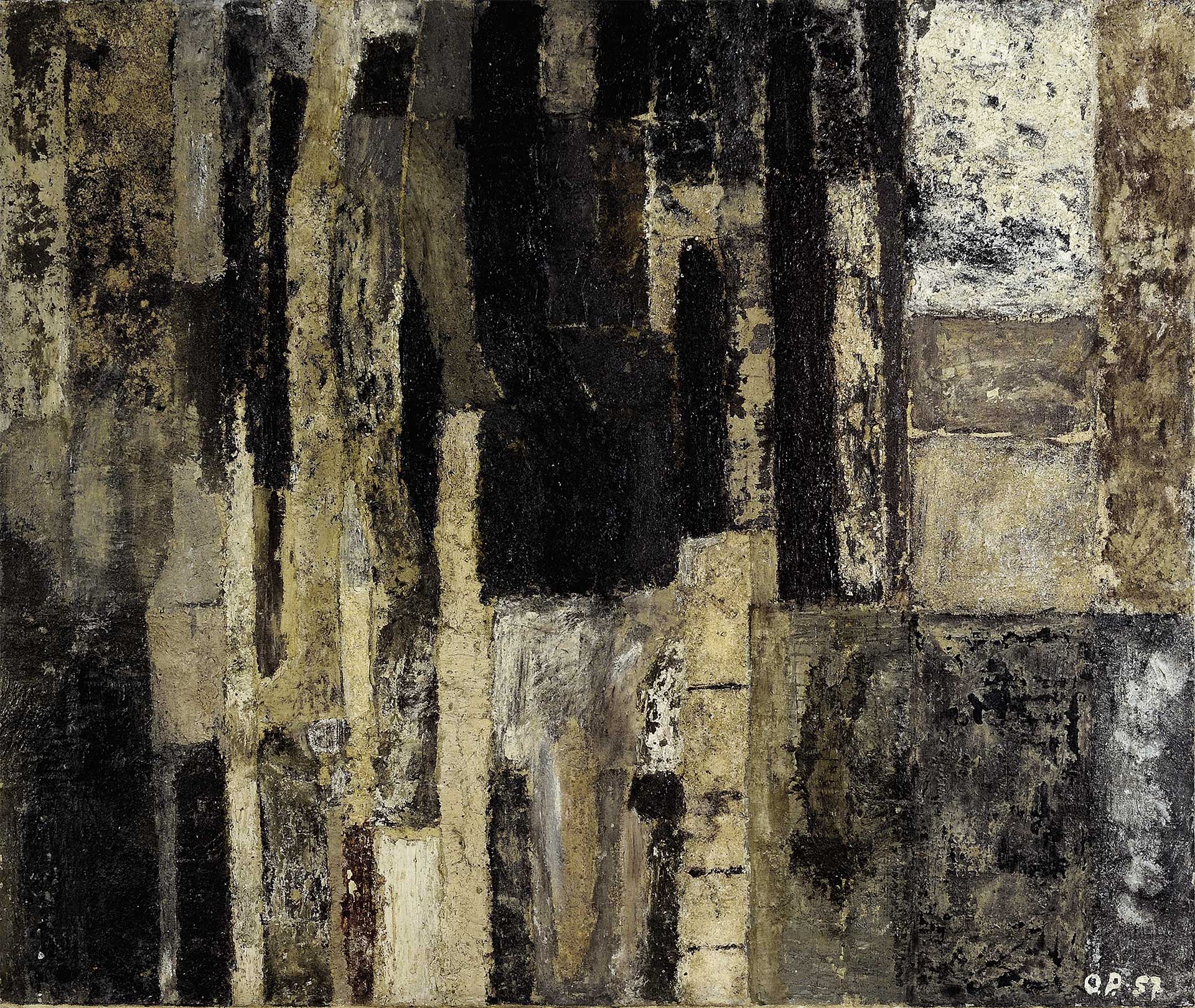
The theme of the wall had found powerful new stimulus in 1957 with the ‘Muri di Parigi’, still charged with the horrors of war.
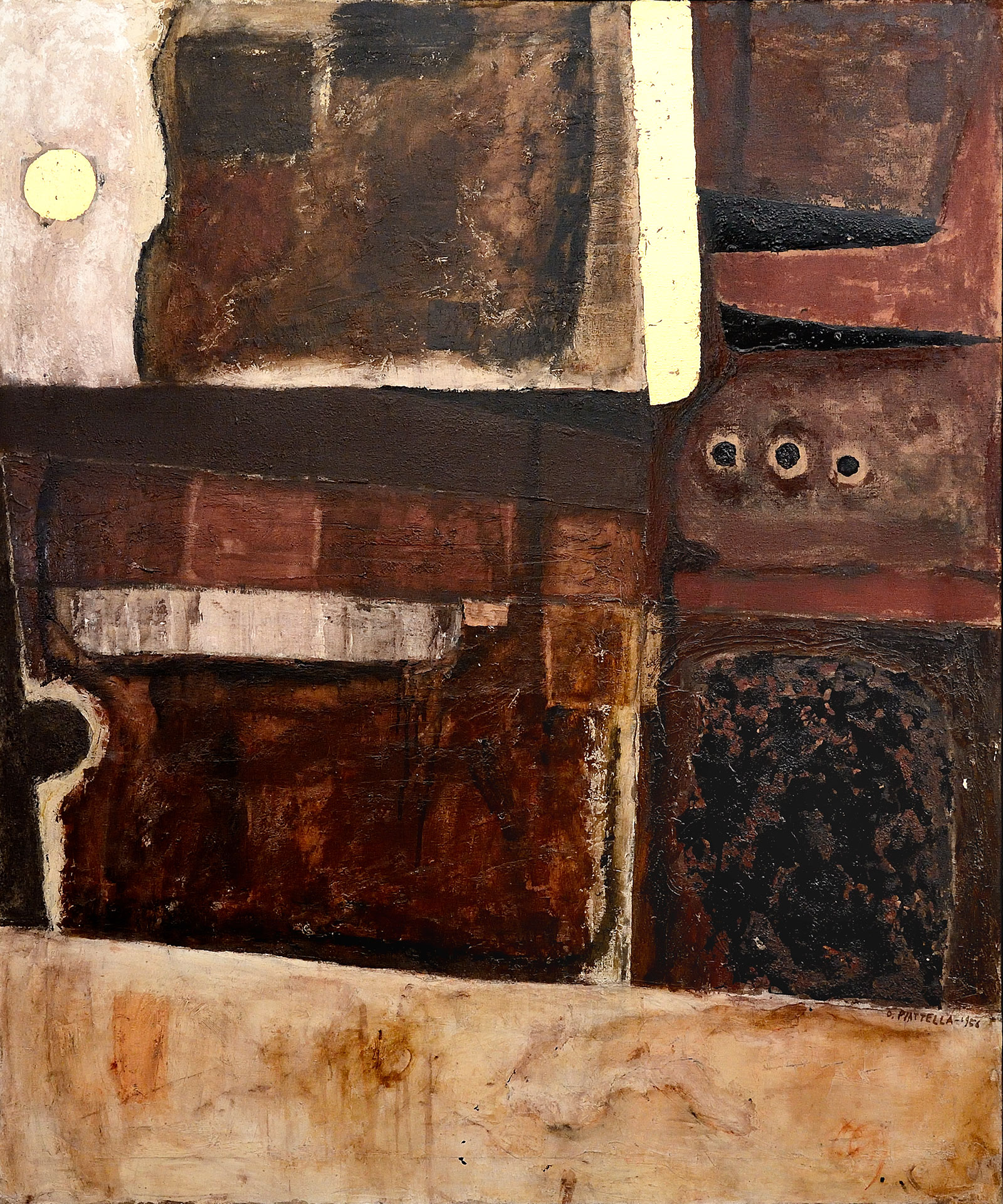
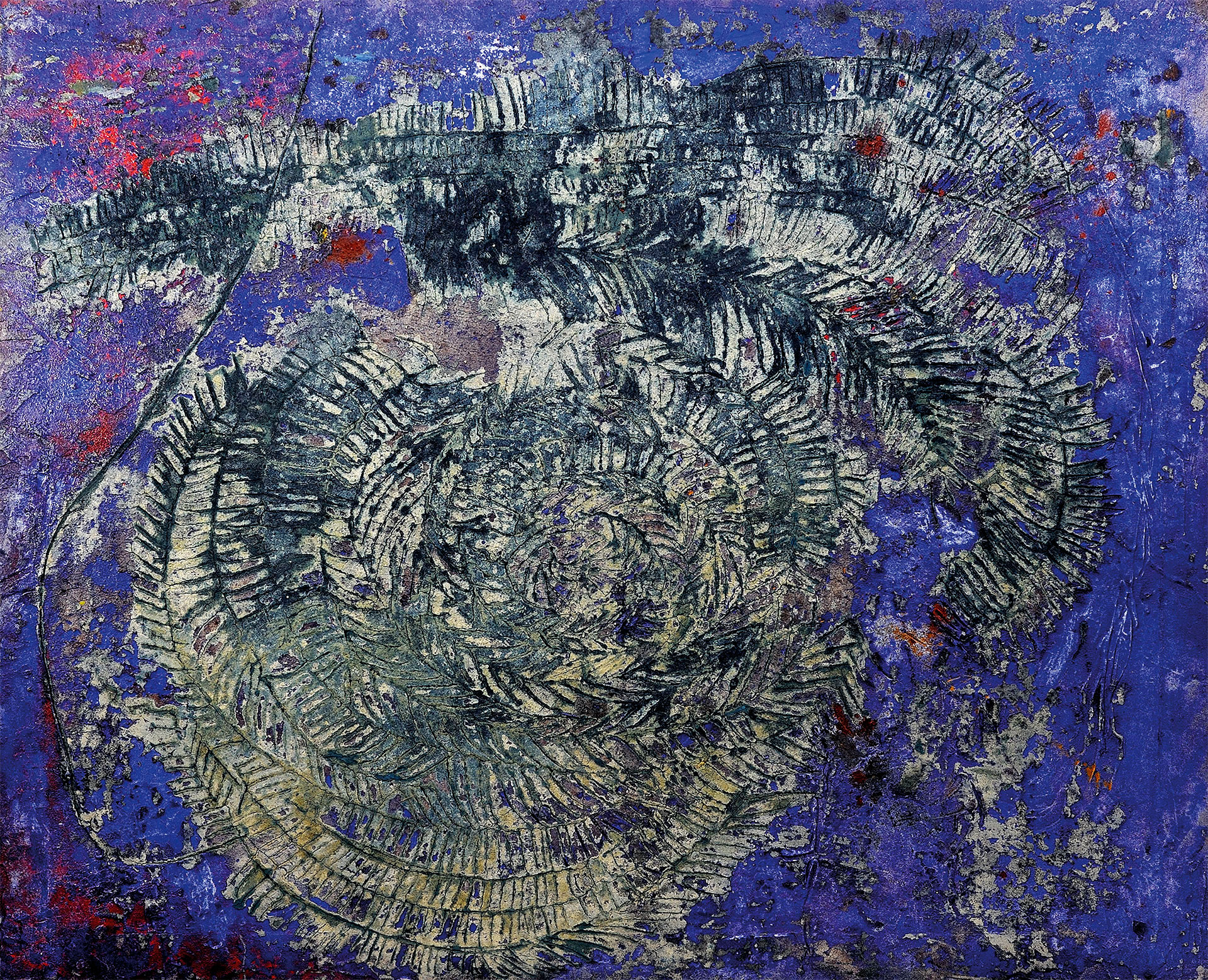
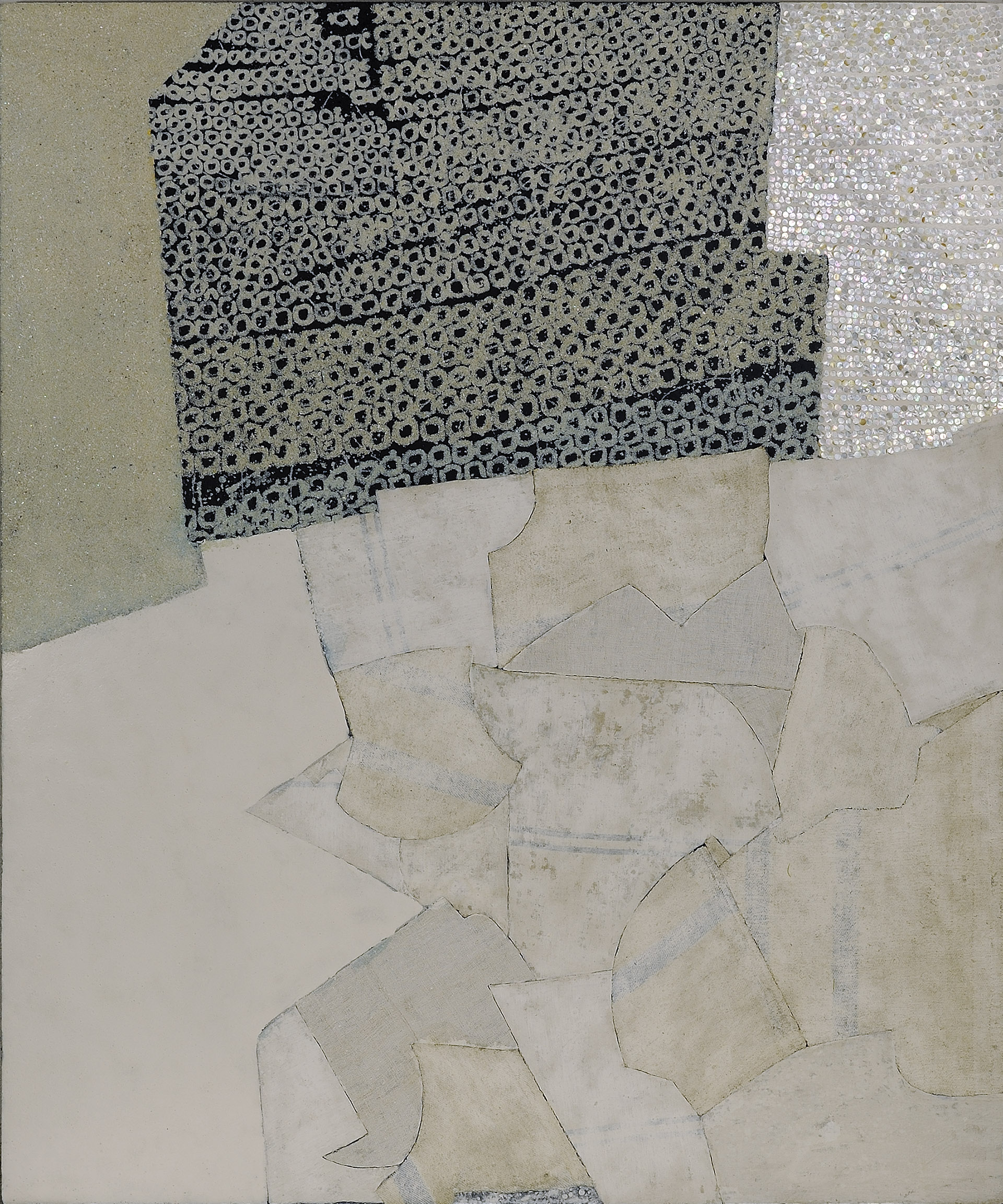
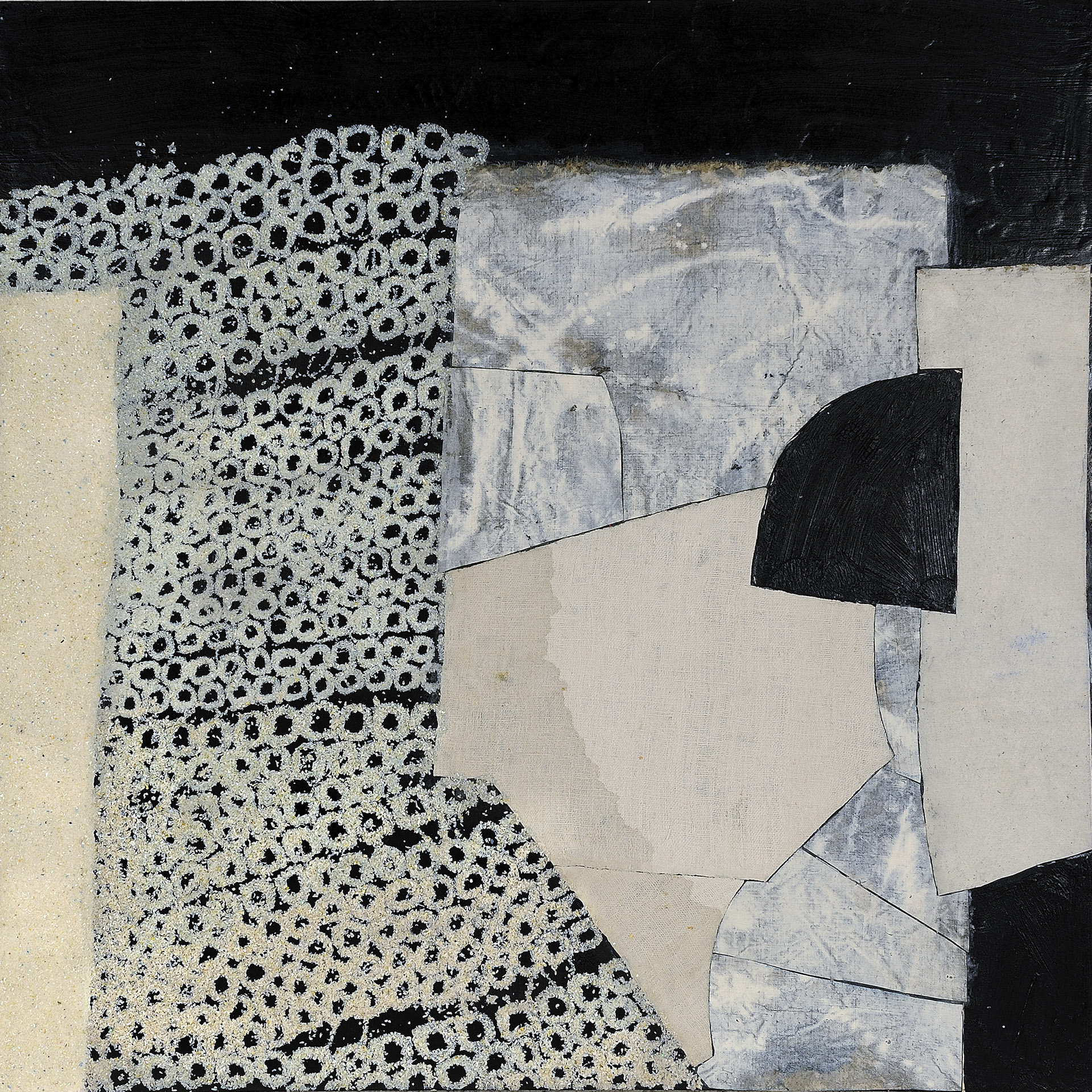
These were years rich in encounters and exchanges that broadened his horizons within an international dimension and rapidly led towards a fully developed and original form of expression. Piattella turned to a materiality with a granular quality, incised like clay, furrowed like farmland turned over for a new cycle of life, concealing within it the artist’s profound attraction to light and to the means—the secrets—of capturing its energy and fixing it in an inexhaustible source of emotional waves. This use of material enabled him to satisfy his concerns with three-dimensionality and spatiality in his works.
Piattella’s first steps would subsequently confirm a direction towards the voracious assimilation of Art Informel, in the sense of a broad and unrestricted use of materials and a predilection for a strongly material dimension, while at the same time revealing an increasingly clear distinction through the persistence of the work’s formal structure and, in certain periods, through the planning of compositions by means of preparatory drawings.
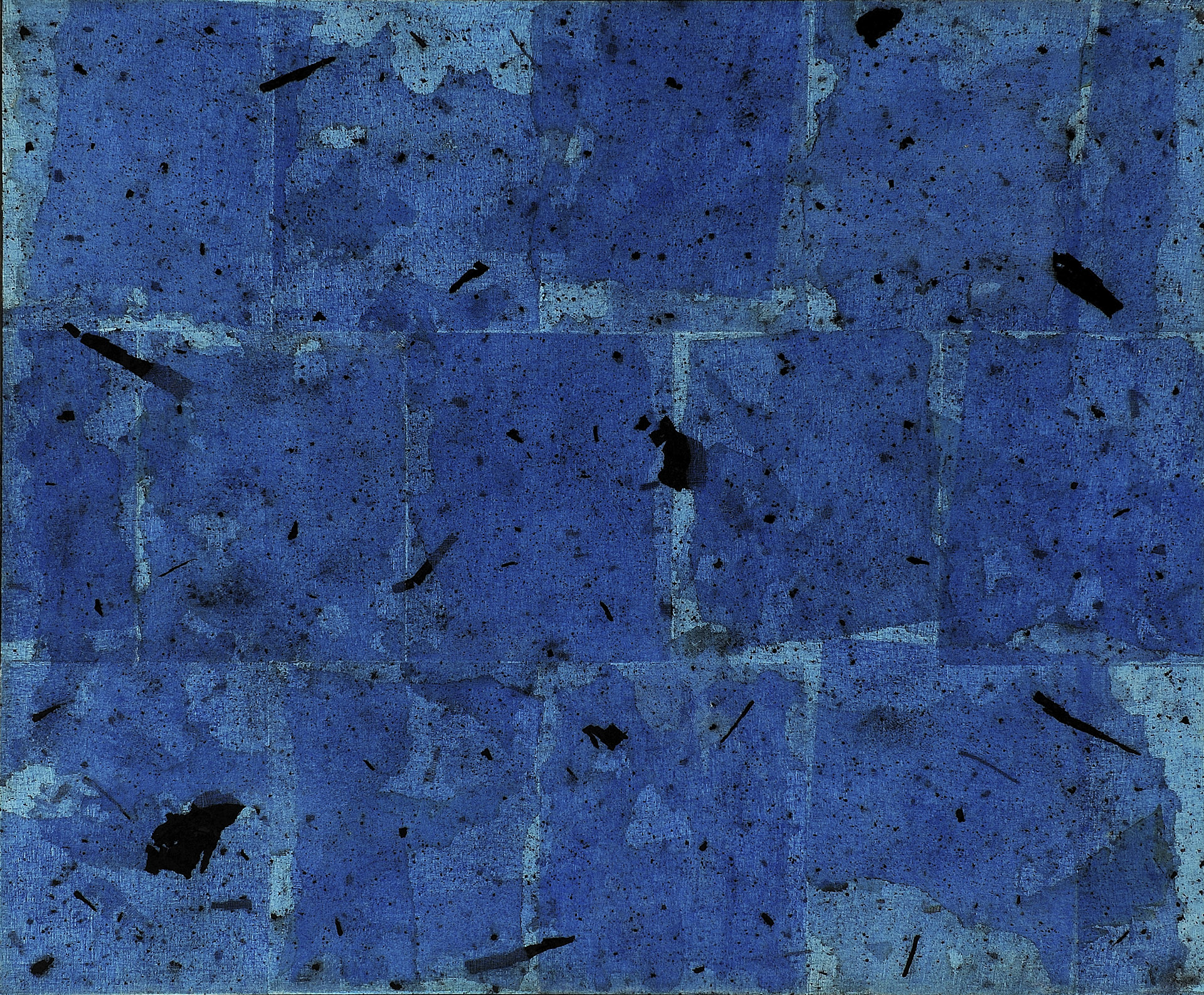
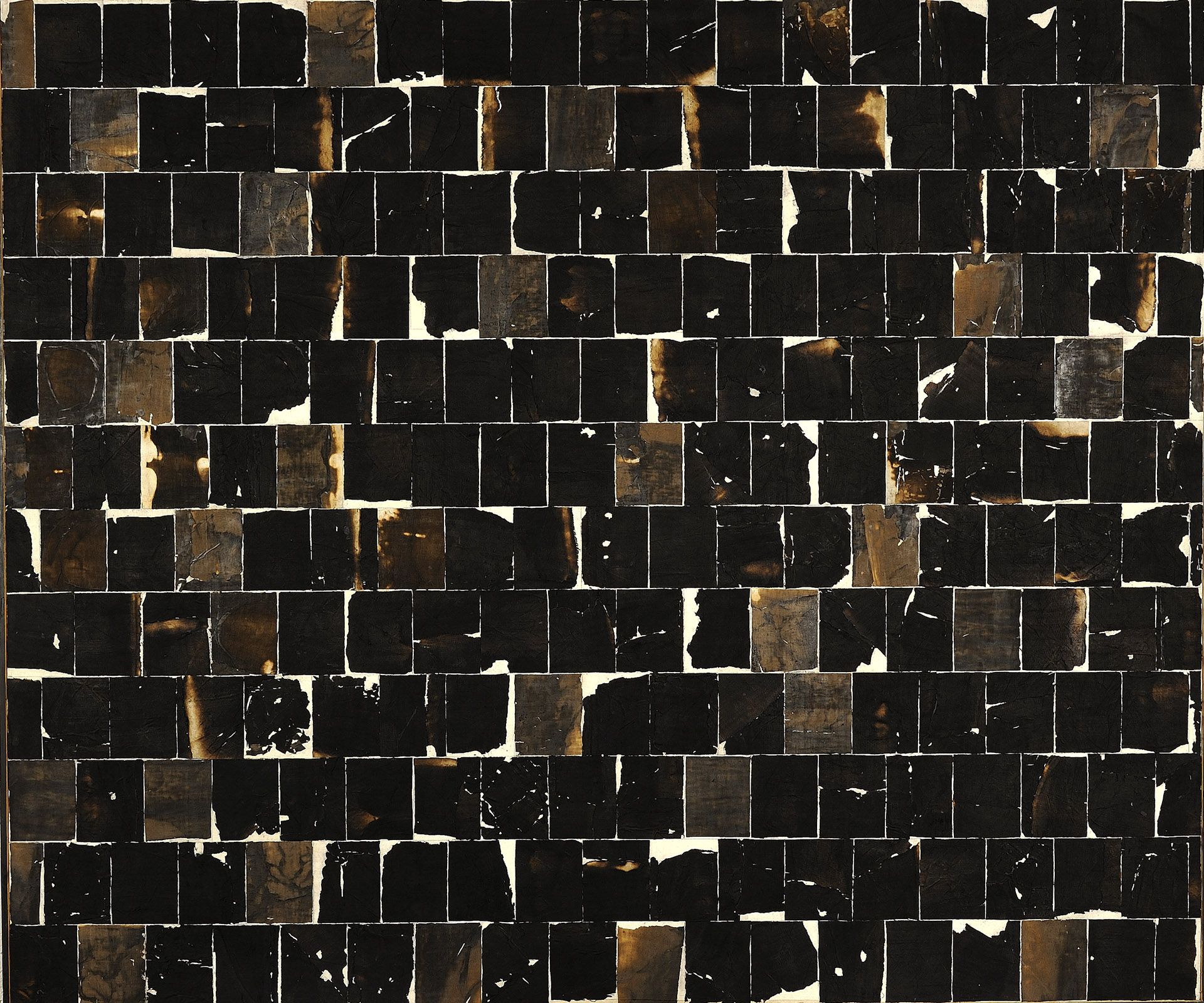
An echo of aspects of Jean Dubuffet’s painting (1901–1985) can be found in his work, deliberately confined, however, to the use of non-traditional materials and to that unconventional way of making painting which Piattella was able to bring to results of heightened lyricism. At first glance, part of Piattella’s production might also seem to bear traces of the work of Alberto Burri (1915–1995). Yet this is only a superficial impression: Burri manipulates matter with extraordinary effectiveness through fire, taking it to the verge of dissolution, whereas Piattella uses heat in an elaborate and carefully calibrated search for infinite gradations of colour. In this way, the works of the second half of the 1980s take shape, often dominated by blues capable of capturing the impalpable lightness of a fluid surface. It is therefore easy to understand how in Piattella, unlike Nicolas De Staël (1914–1955), there is a lively and ever-vigilant articulation of surfaces generated by an architectural magnetism that never leaves him.
After the impressions gathered in Paris, the wall in Piattella received a further substantial contribution over the years in terms of visual experience through his constant and attentive observation of the stone facings of the austere, imposing medieval architecture of the city of Gubbio: an outer stronghold in the Apennine territories pacified by the Montefeltro.
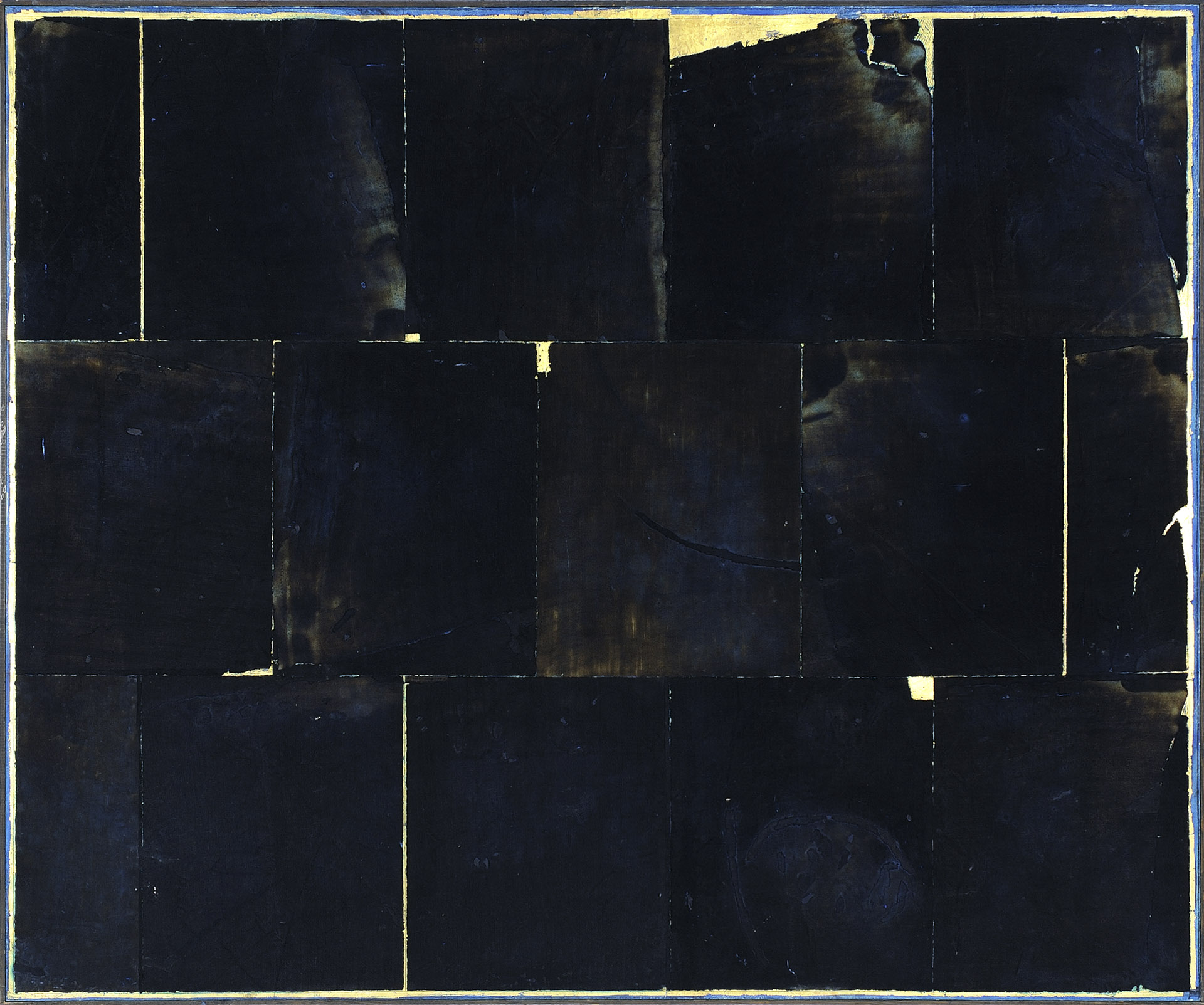
More or less consciously, but certainly with that grace which touches artists sometimes for fleeting moments and at other times, though more rarely, for an entire lifetime, Piattella expresses through the research embodied on the surfaces of his works the question of the wall, a theme of harrowing centrality in the twentieth century. He does so through a range of skilful variations that give tangible expression to the multiple phases of his research. For beyond the titles, and beyond the differences that undeniably exist, once beneath the emotional layer produced by the visual impact of matter and the refraction of light, the structure remains constant, marking his entire artistic production almost up to the threshold of the new Millennium, which ushers in an entirely new body of work.
Yet the significance of the wall as represented by Piattella develops along two distinct and fundamental trajectories. It takes its cue from fragments of the man-made world, evoking their presence through absence and silently leading the viewer, step by step, without spectacle and without aggressive devices, before the political walls of the twentieth century above all. For what appears to be a kind of obsession unfolding throughout almost the whole of Piattella’s artistic life does not escape the projection of the long and unsettling shadow cast by the walls raised by human beings against freedom: the Wall—not the only one, but the only one that warrants the capital letter—the Berlin Wall. This interpretation finds full confirmation in an emblematic statement by Piattella (quoted by Caramel in 1990), who explains that “these surfaces are recognised through the reflection of their historical event”. Just as in Narcissus, Piattella’s surfaces reflect back to us, sometimes for the first time, not only our own image but also the historical sediment within us, which now appears before our eyes.
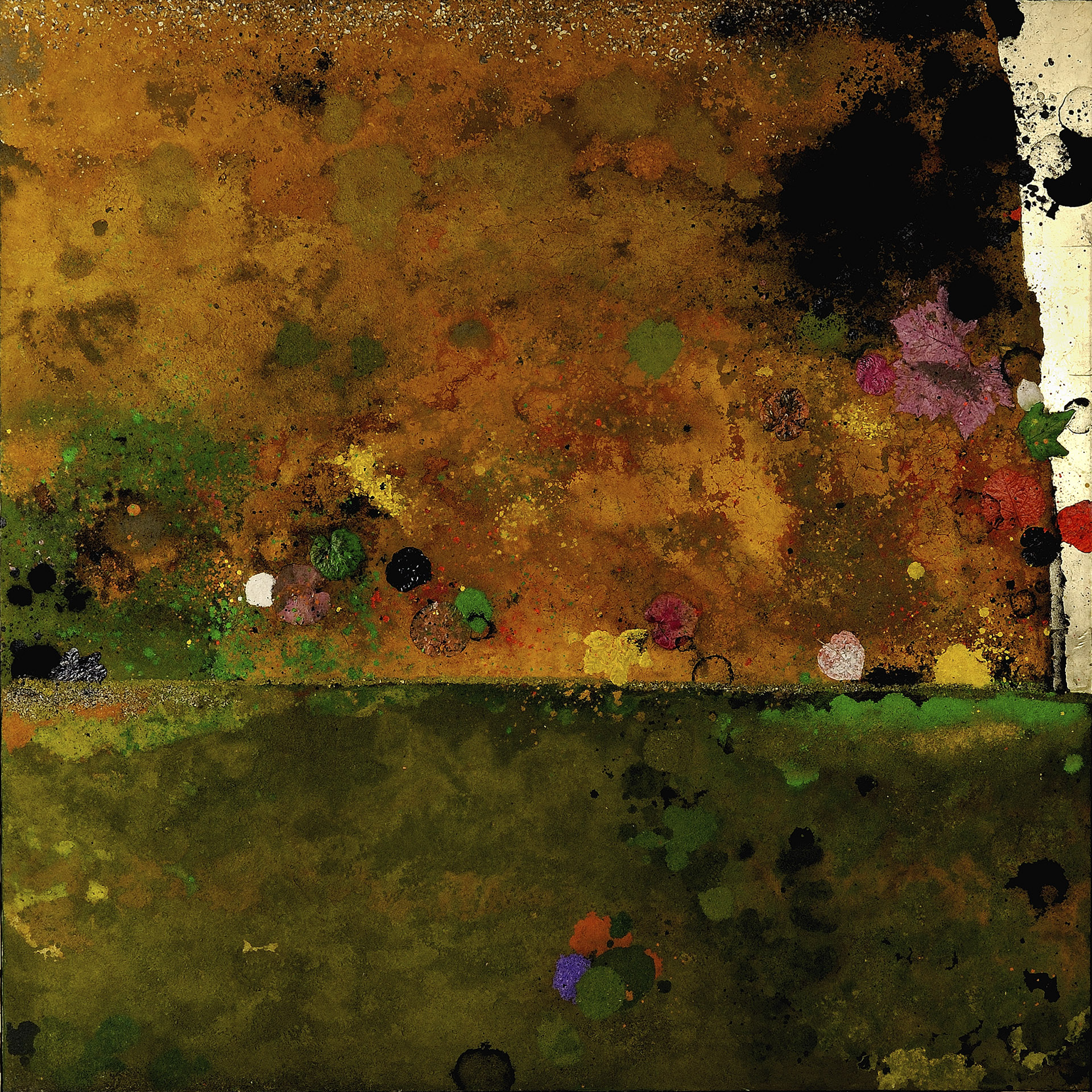
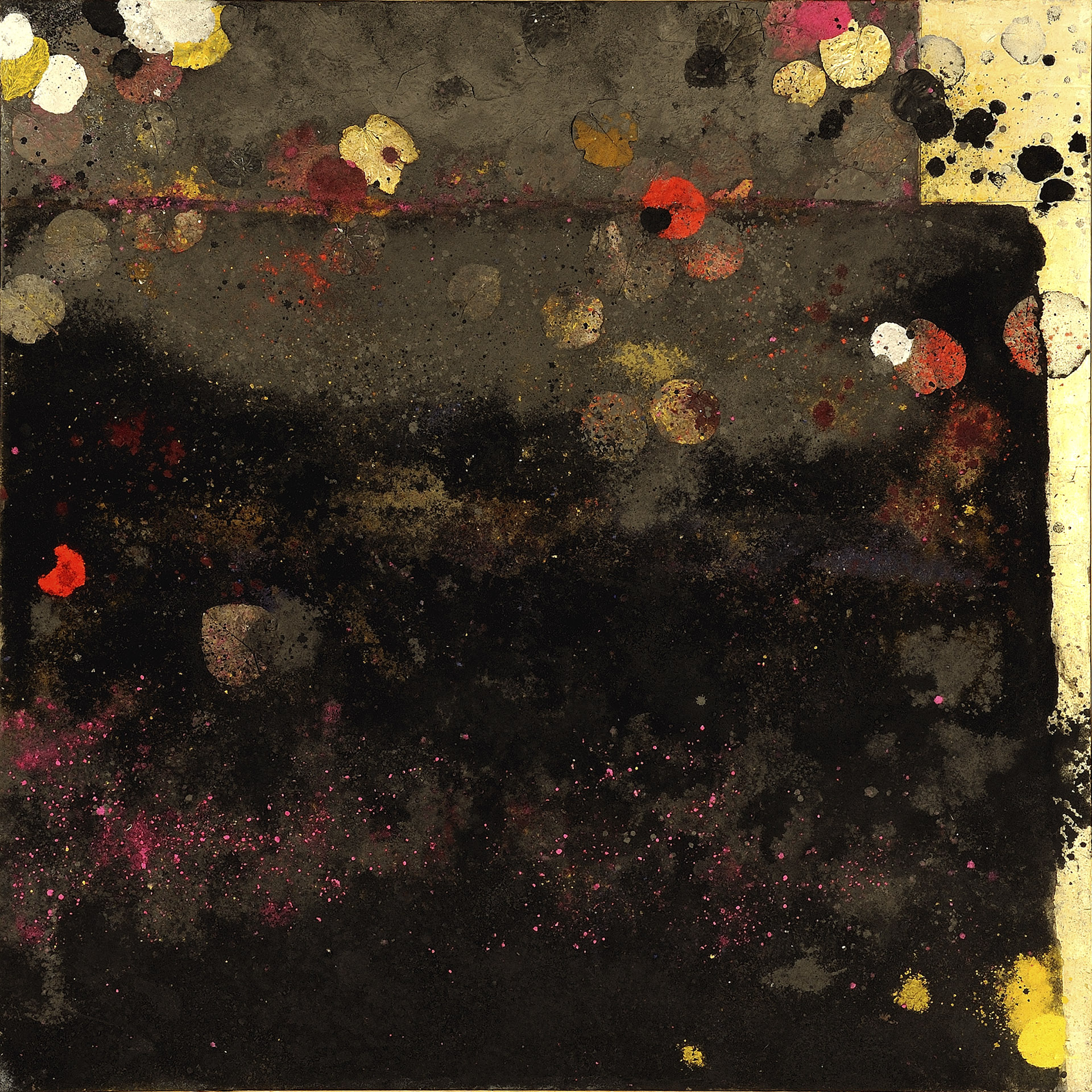
But Piattella’s wall, in its dual significance and in its capacity to reflect, is also a gateway to an inner dimension that opens onto an immense space of extraordinary depths of the mind. It is precisely in this sense that Massimo Cacciari rightly observed that, in Piattella’s works, “what appears is nothing but the shattering of the inner Light; colours are merely the timbre assumed by Light as it illuminates the ‘landscape of the soul’”.
The inner dimension of the wall in Piattella, it should be clear, is quite different from that represented, for example, by Pink Floyd. In Piattella, the focus is not on modern humanity as restless, alienated and irredeemably divided within the self. The dual significance of the wall, which seems unmistakably present in Piattella’s artistic production, is pitched in a different register. His works are, in fact, permeated by a vibrant lyricism, skilfully directed towards a dimension of harmony.*
*Adapted from: Alberto Mazzacchera, Oscar Piattella: oltre il muro, exhibition catalogue, Pesaro 2020.