Photography
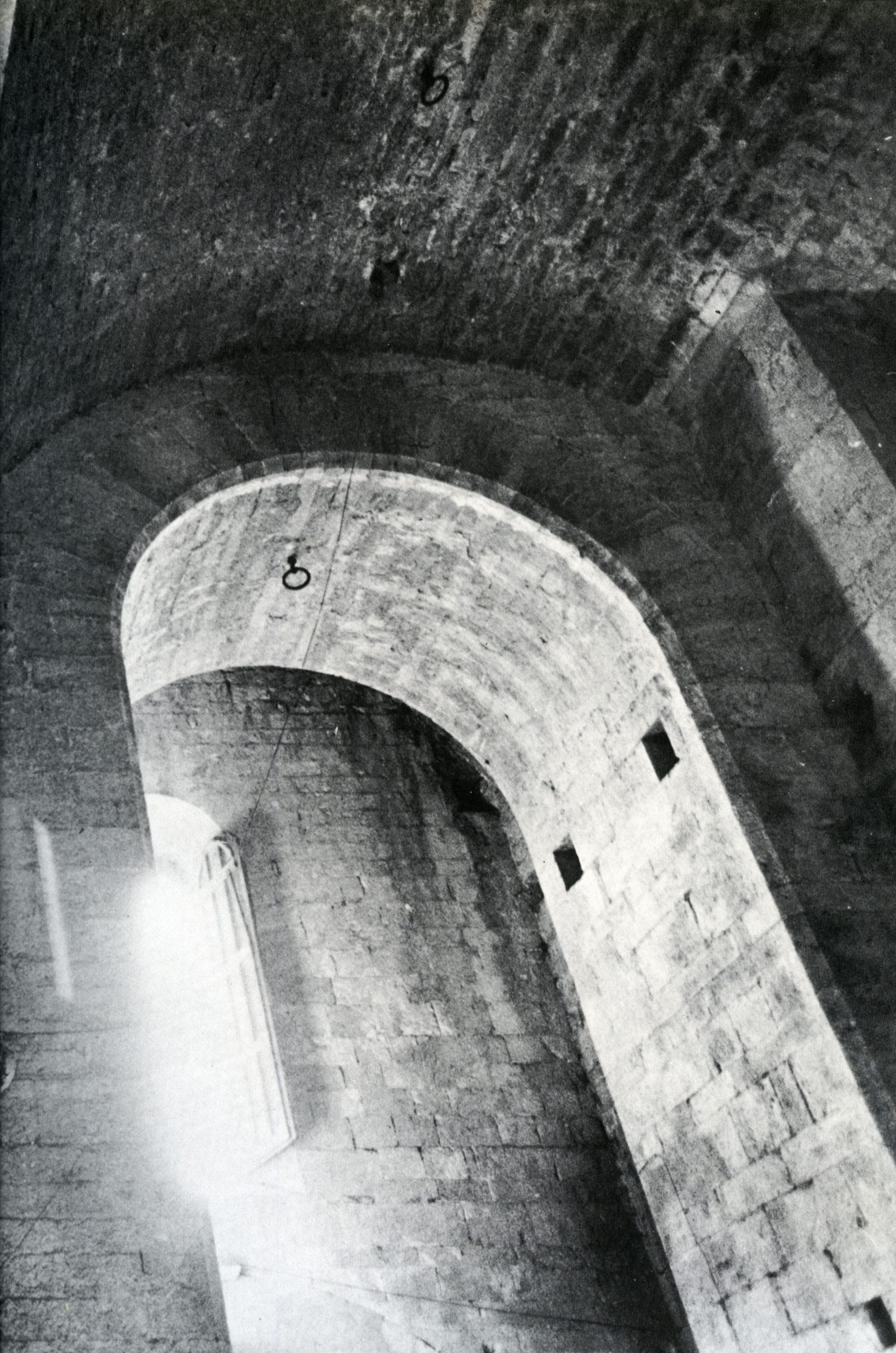
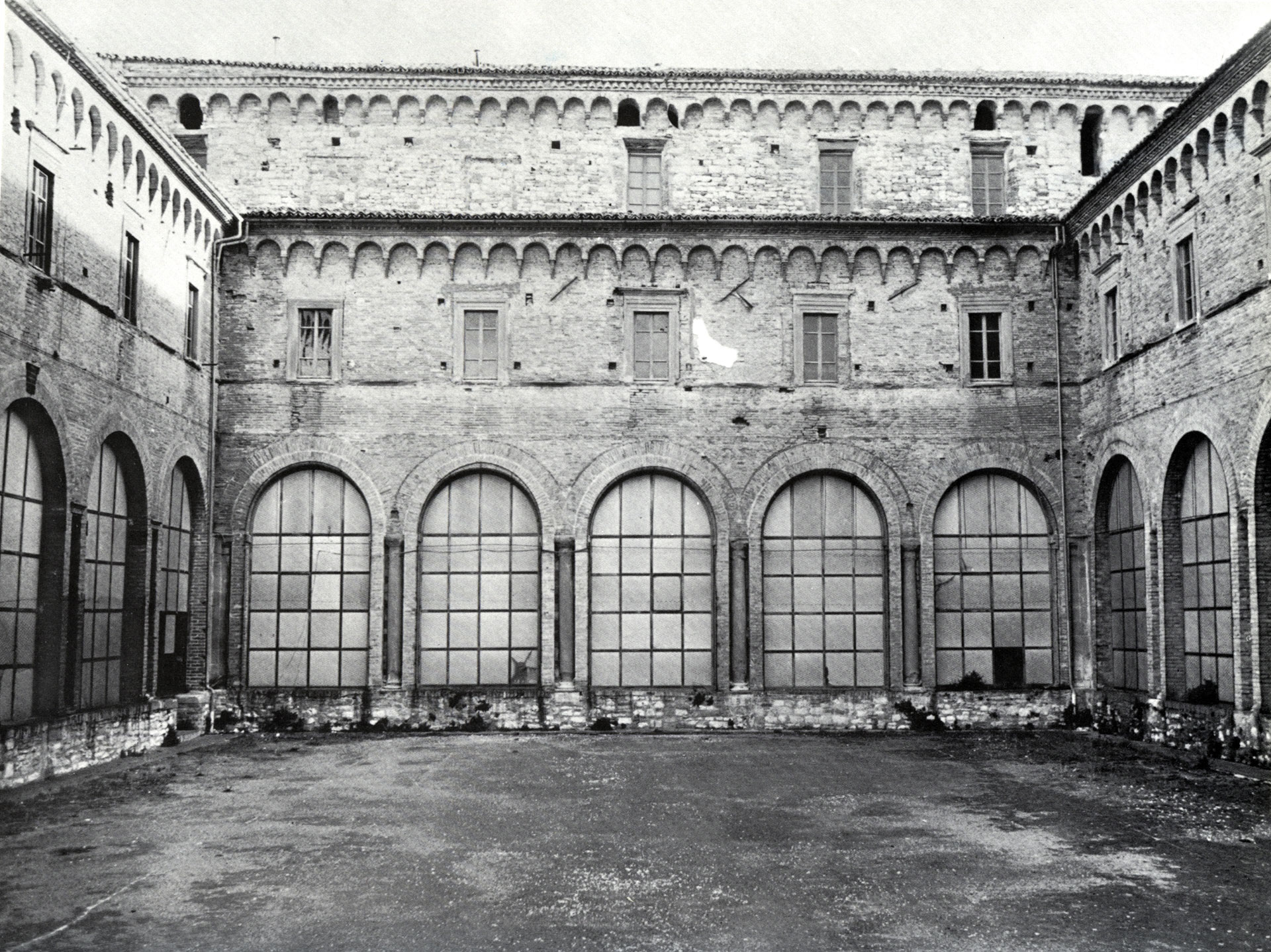
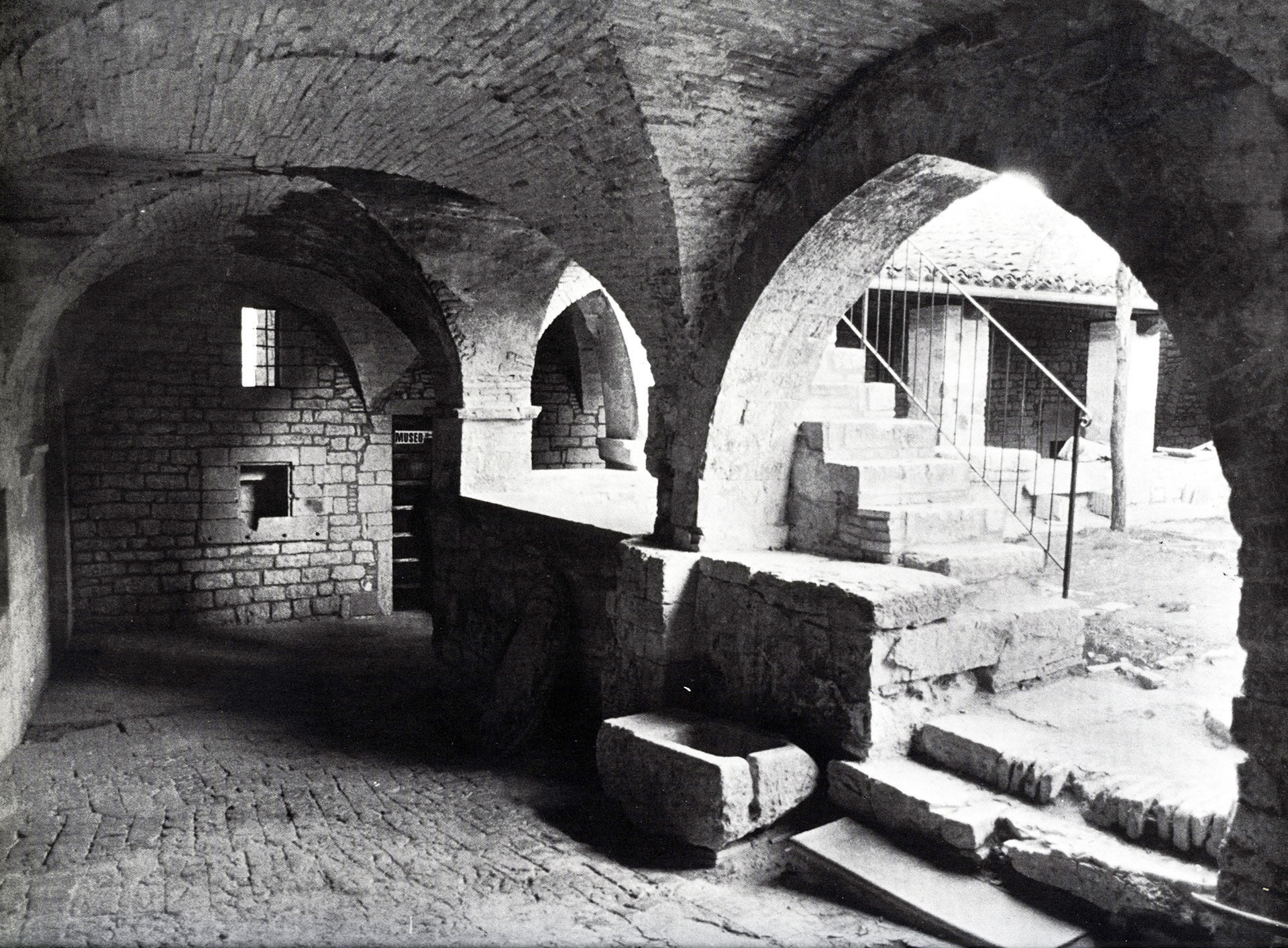
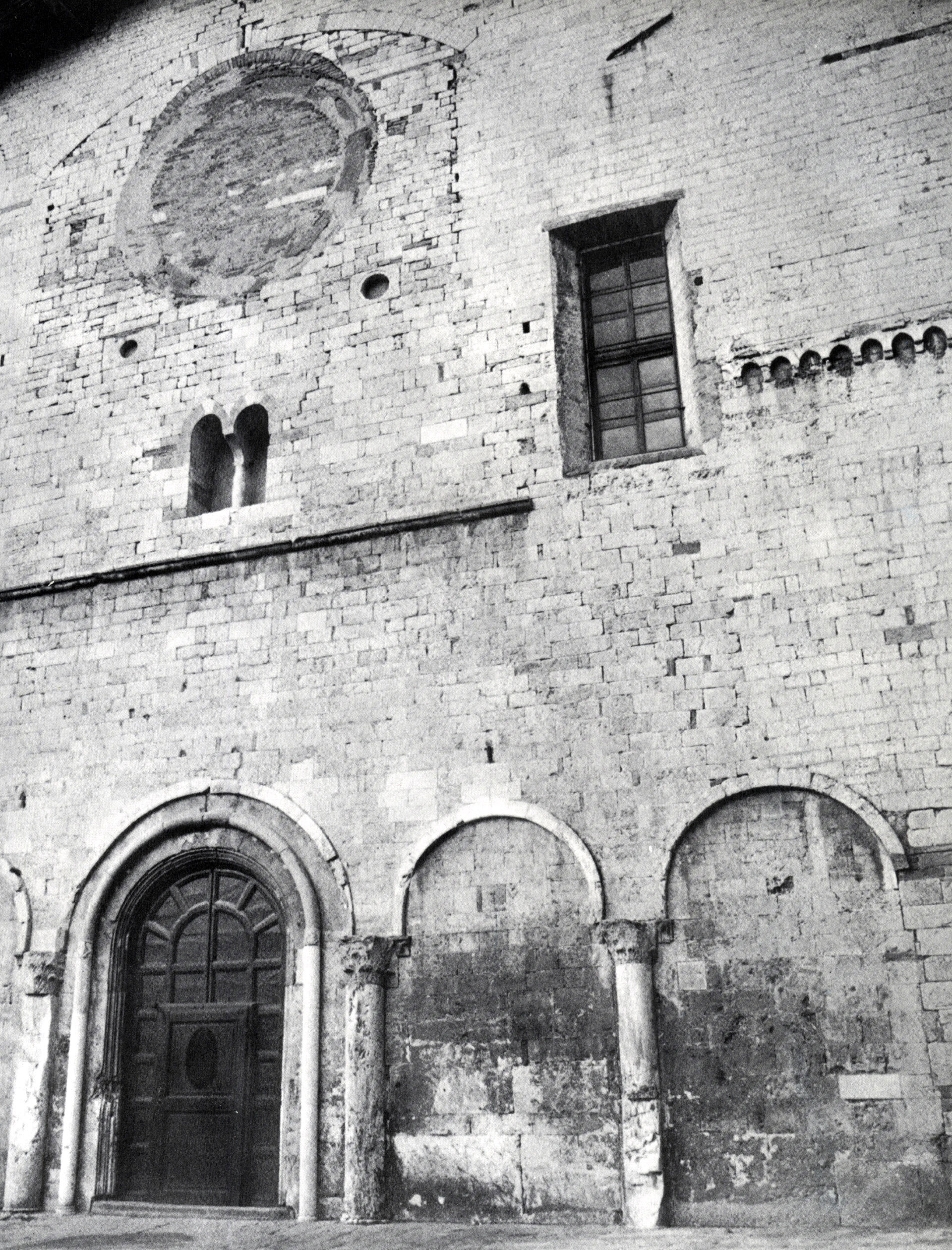
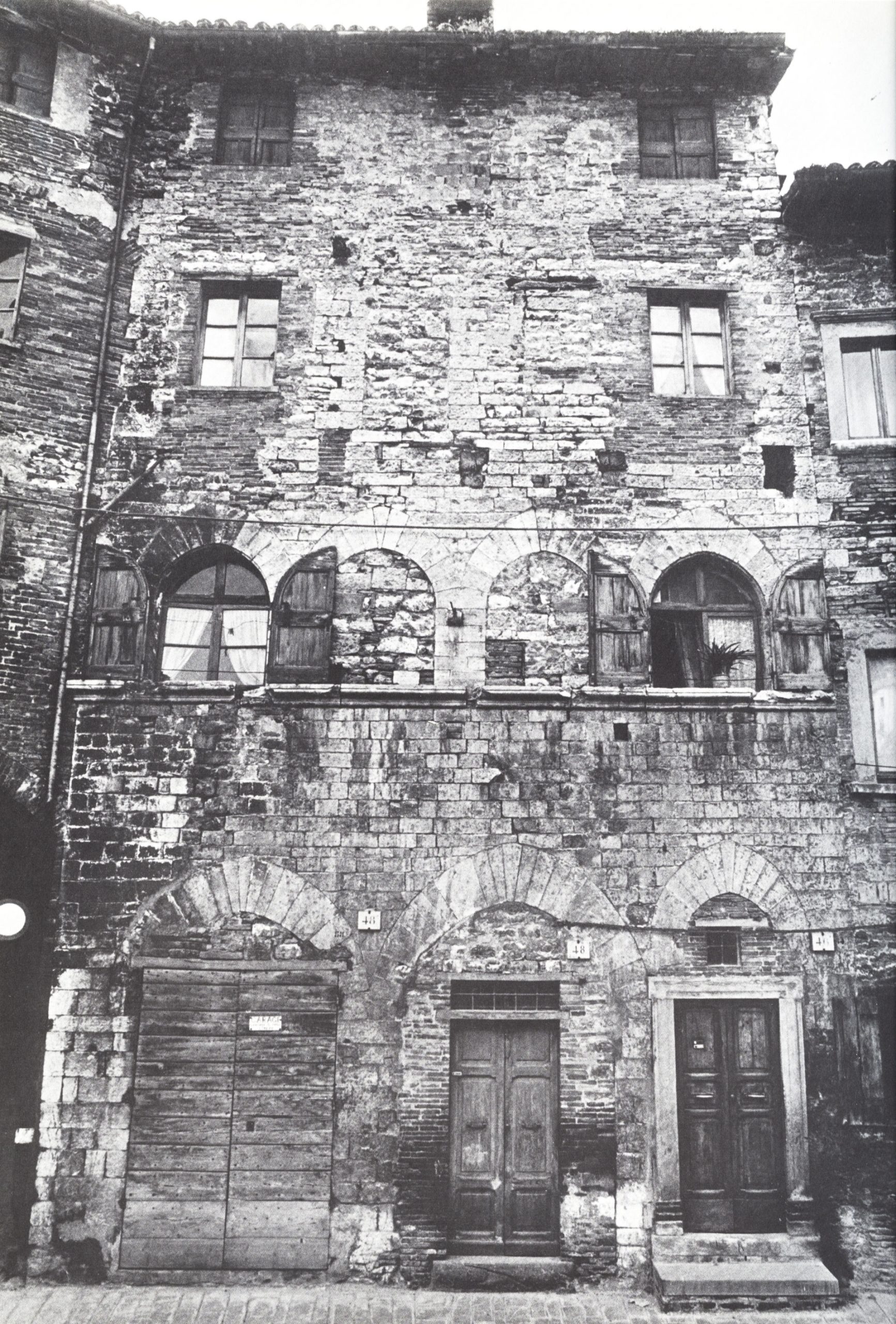
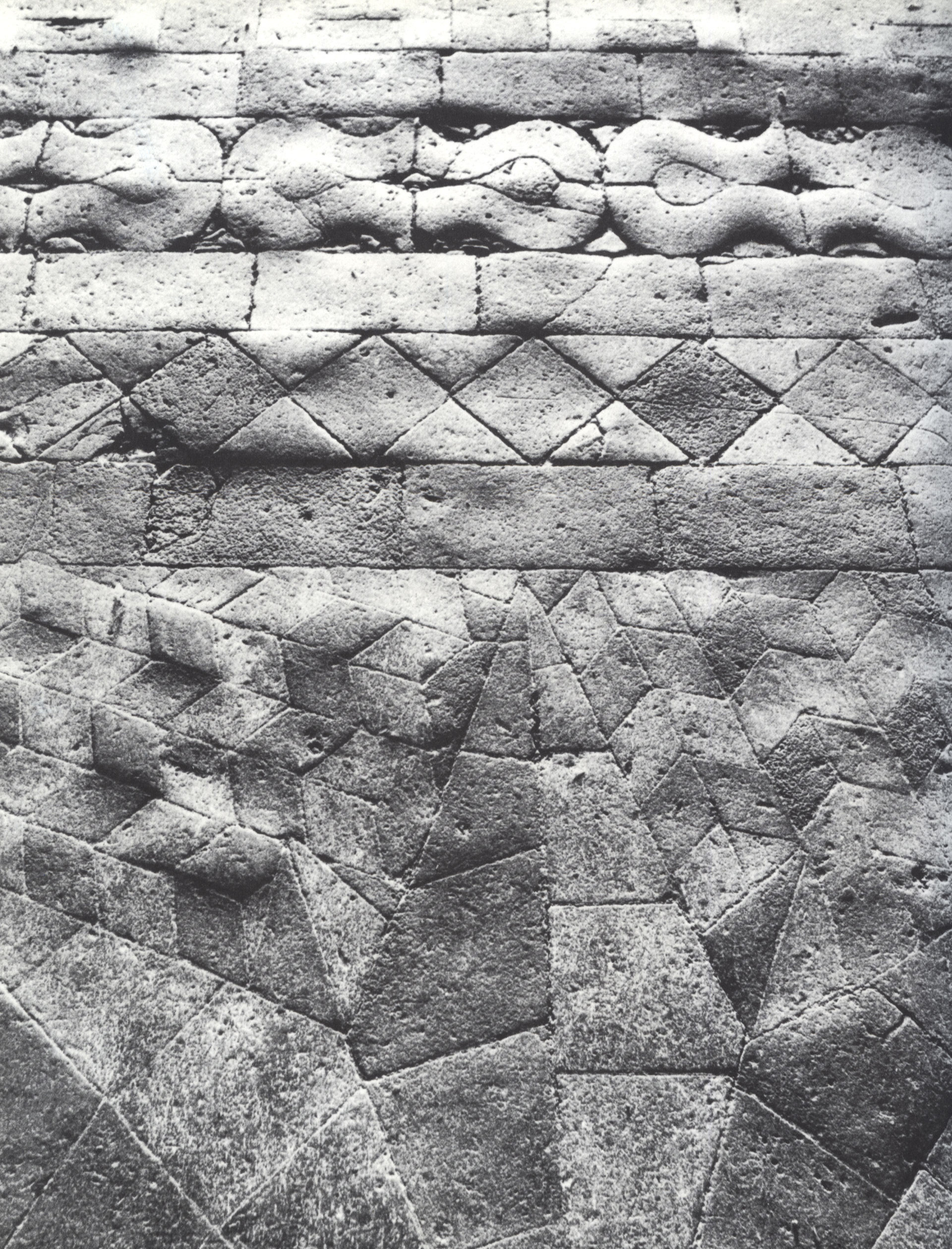
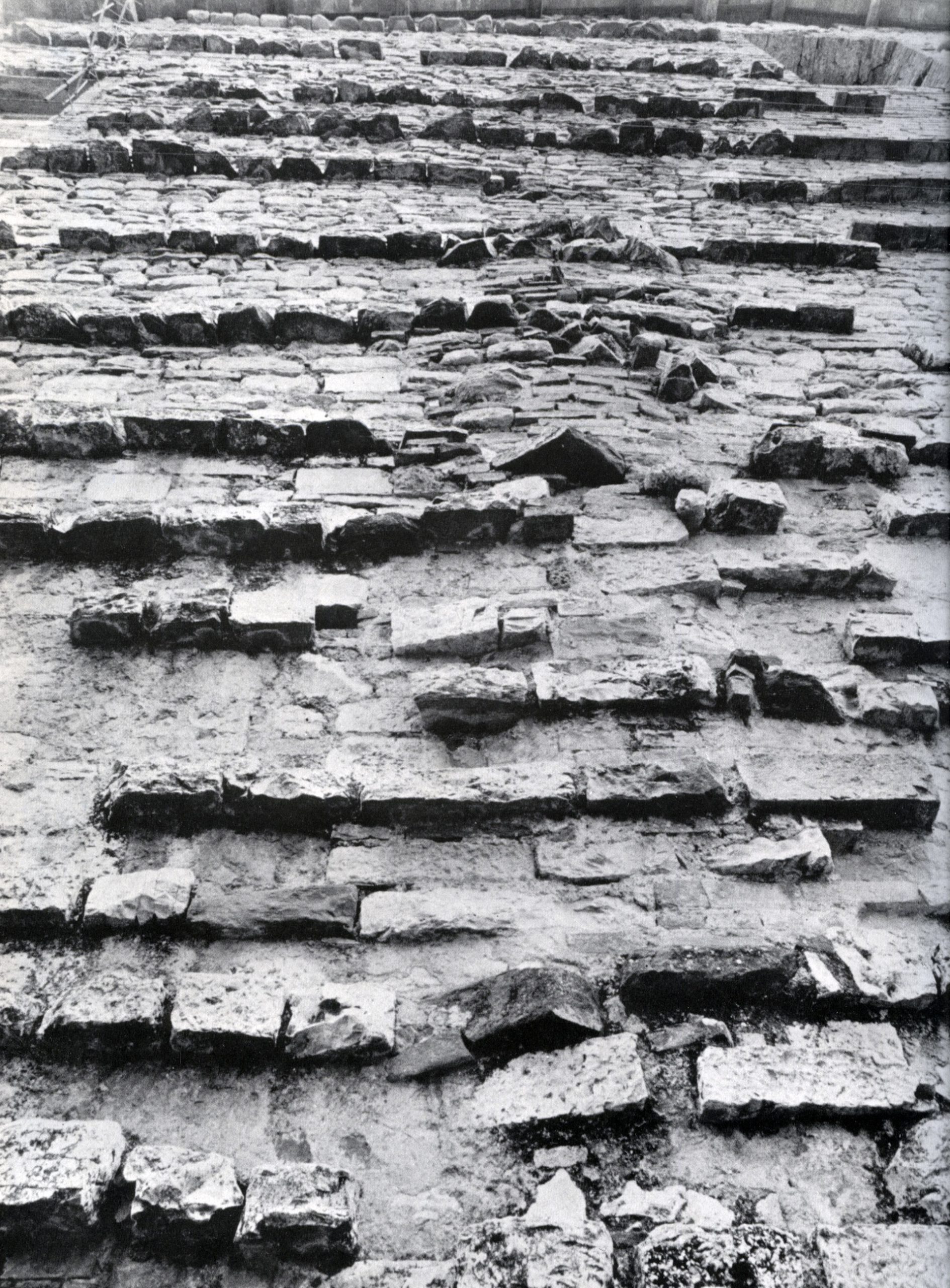
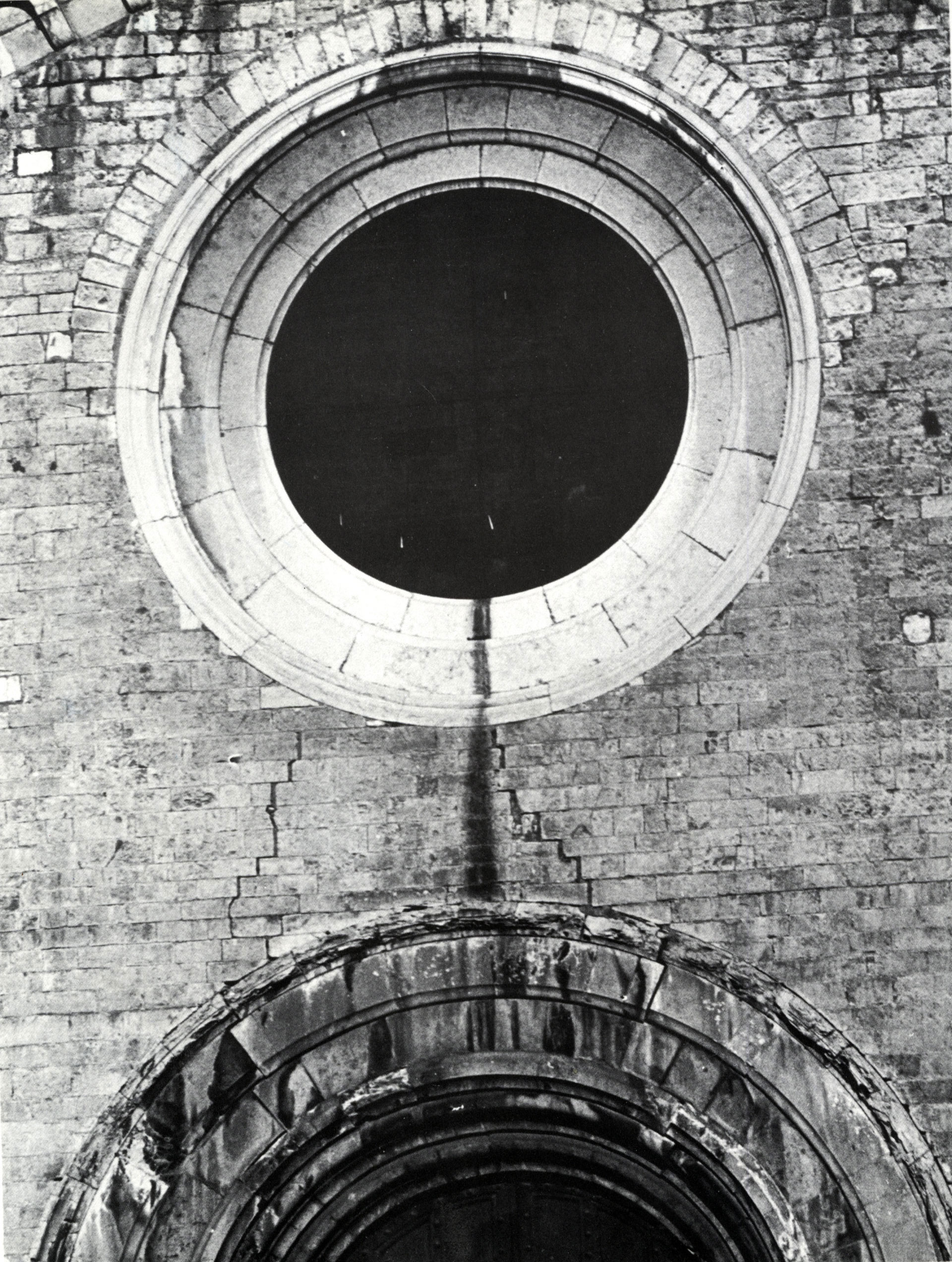
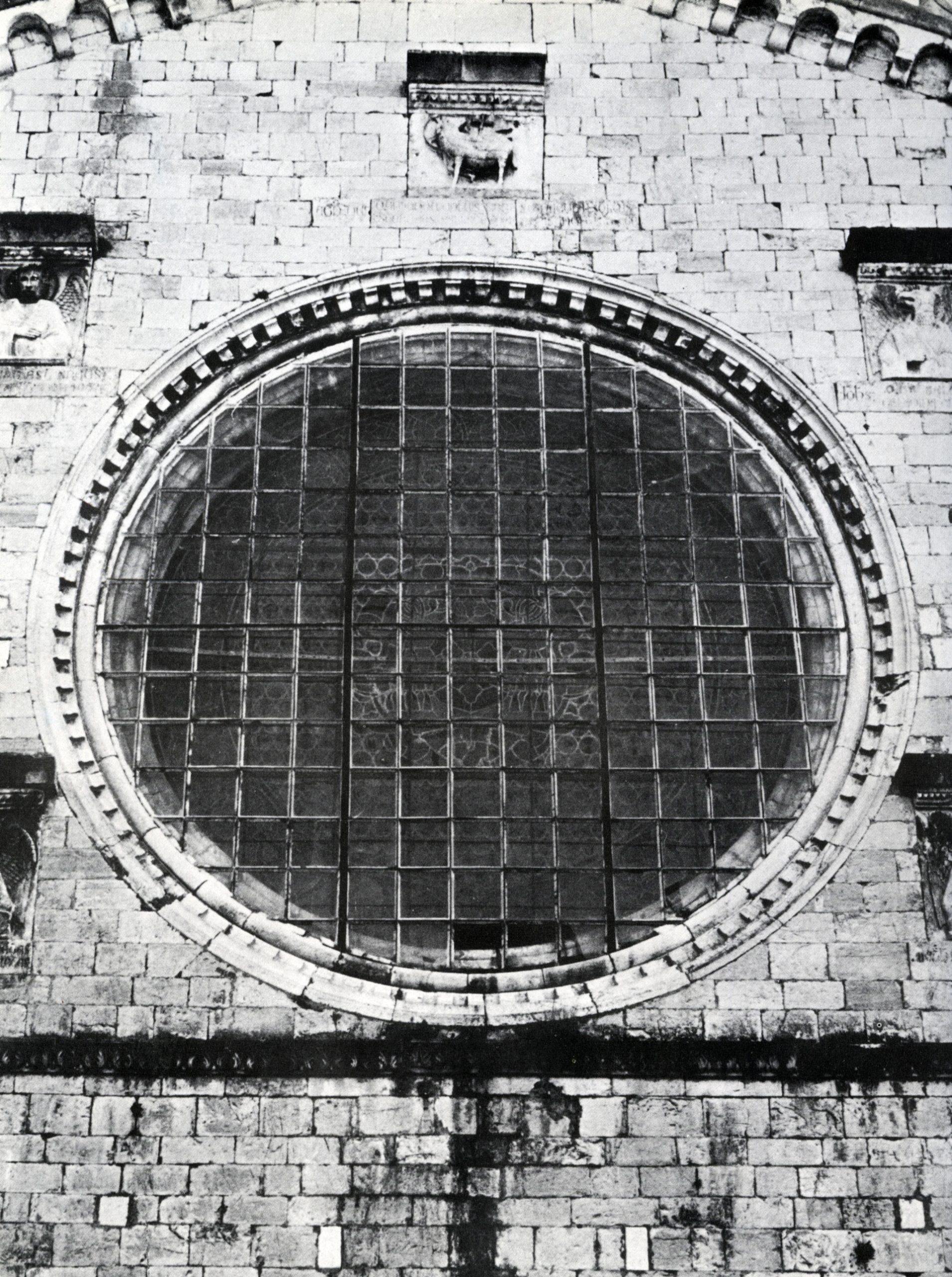
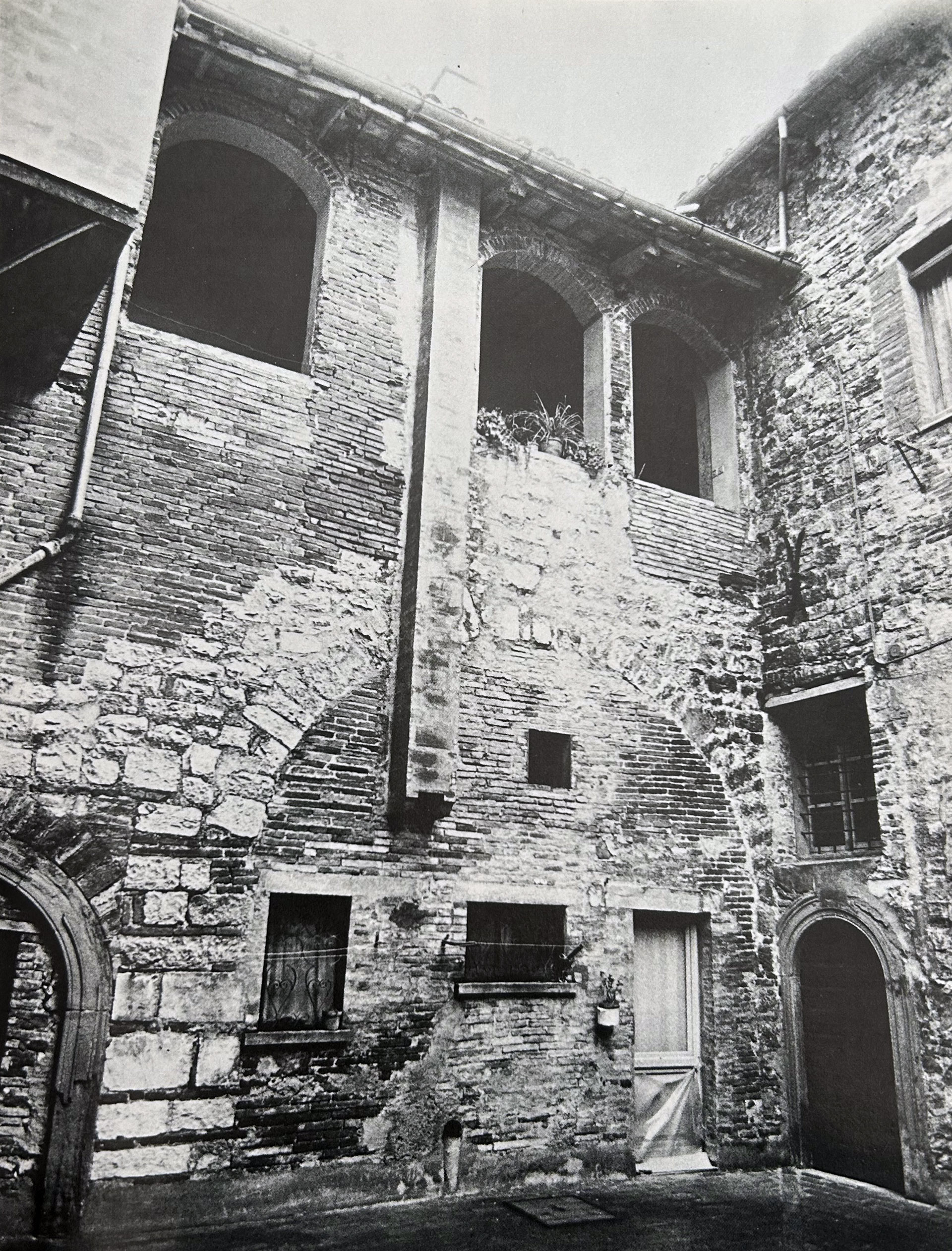
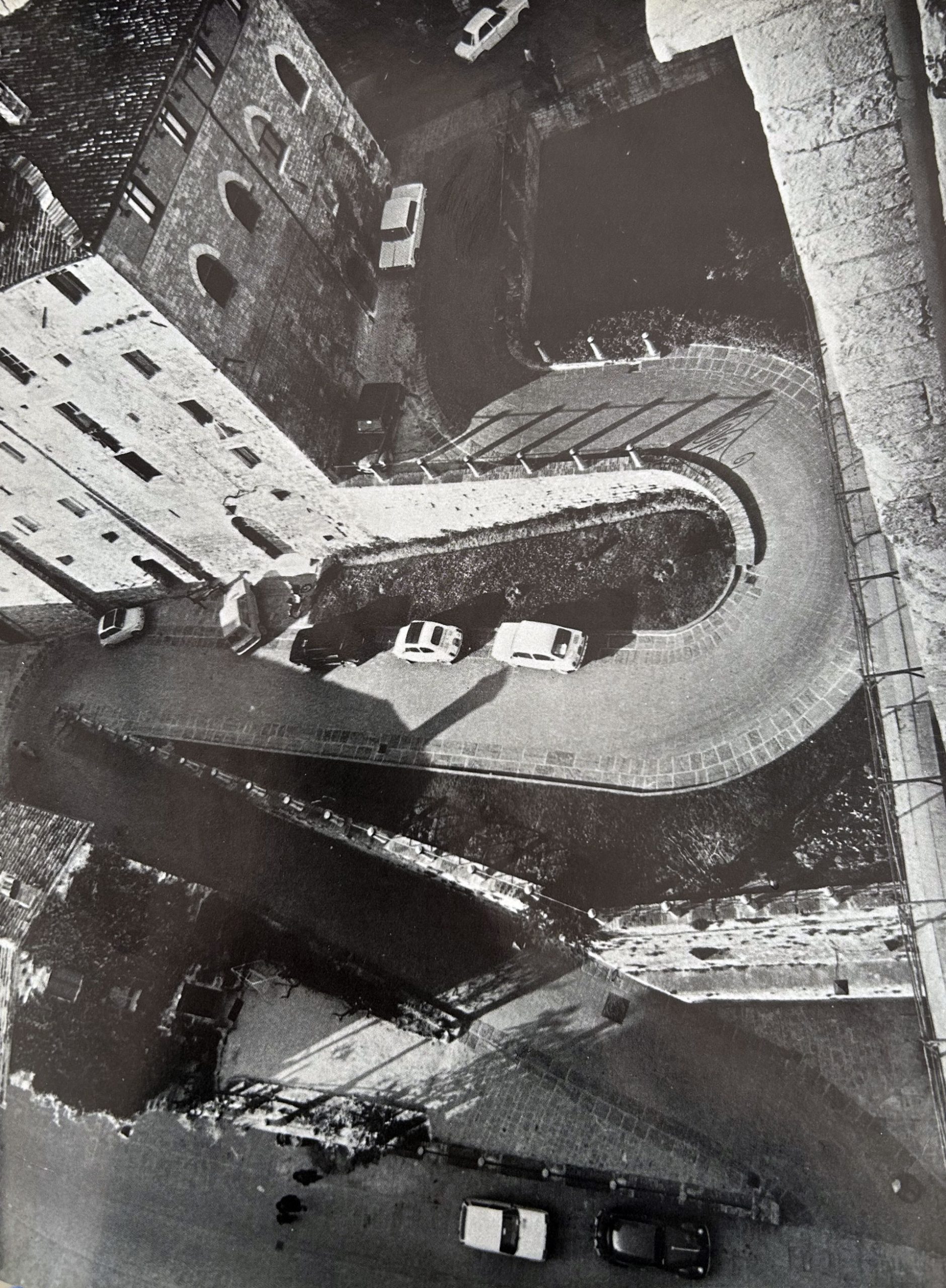
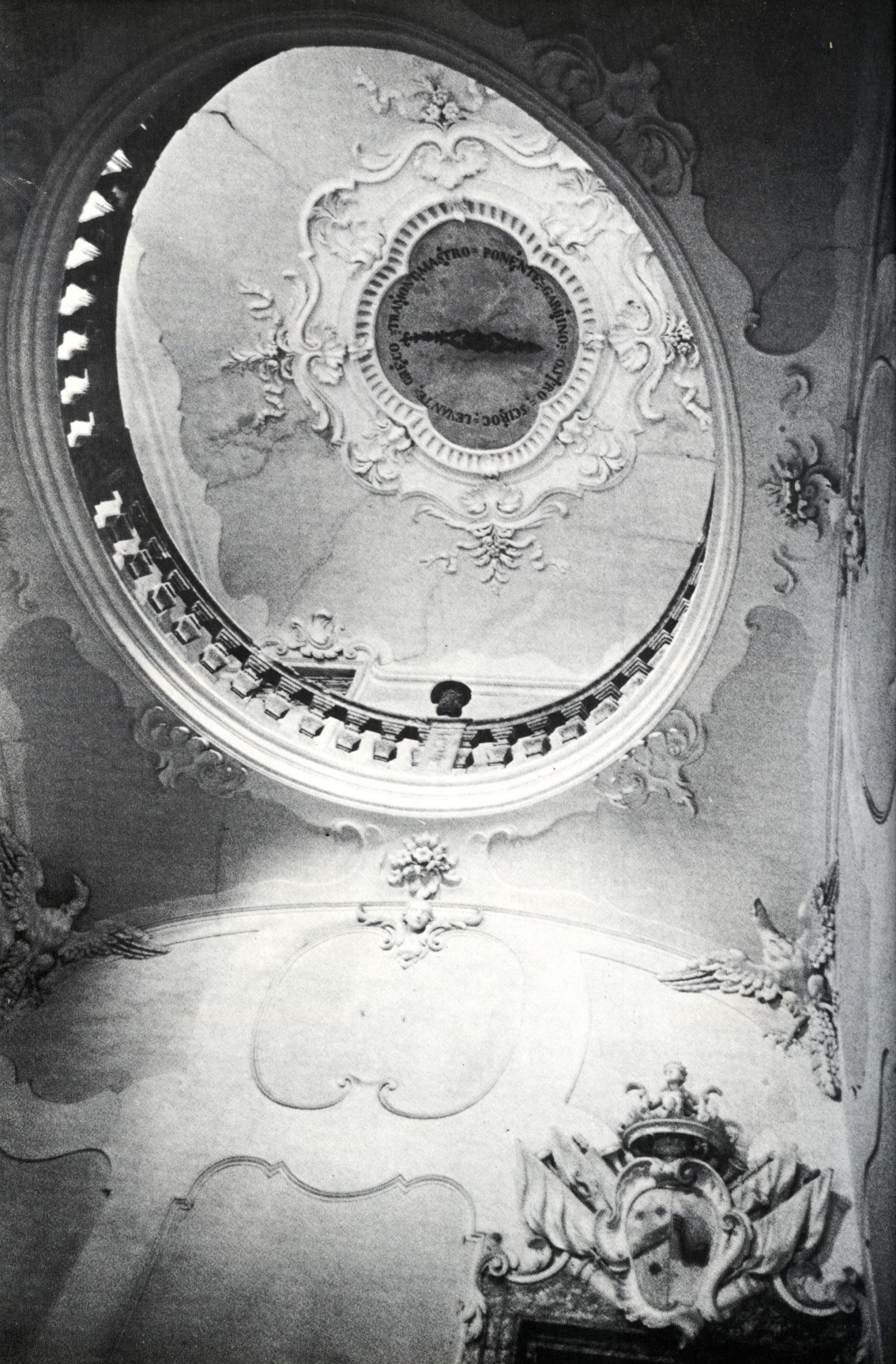
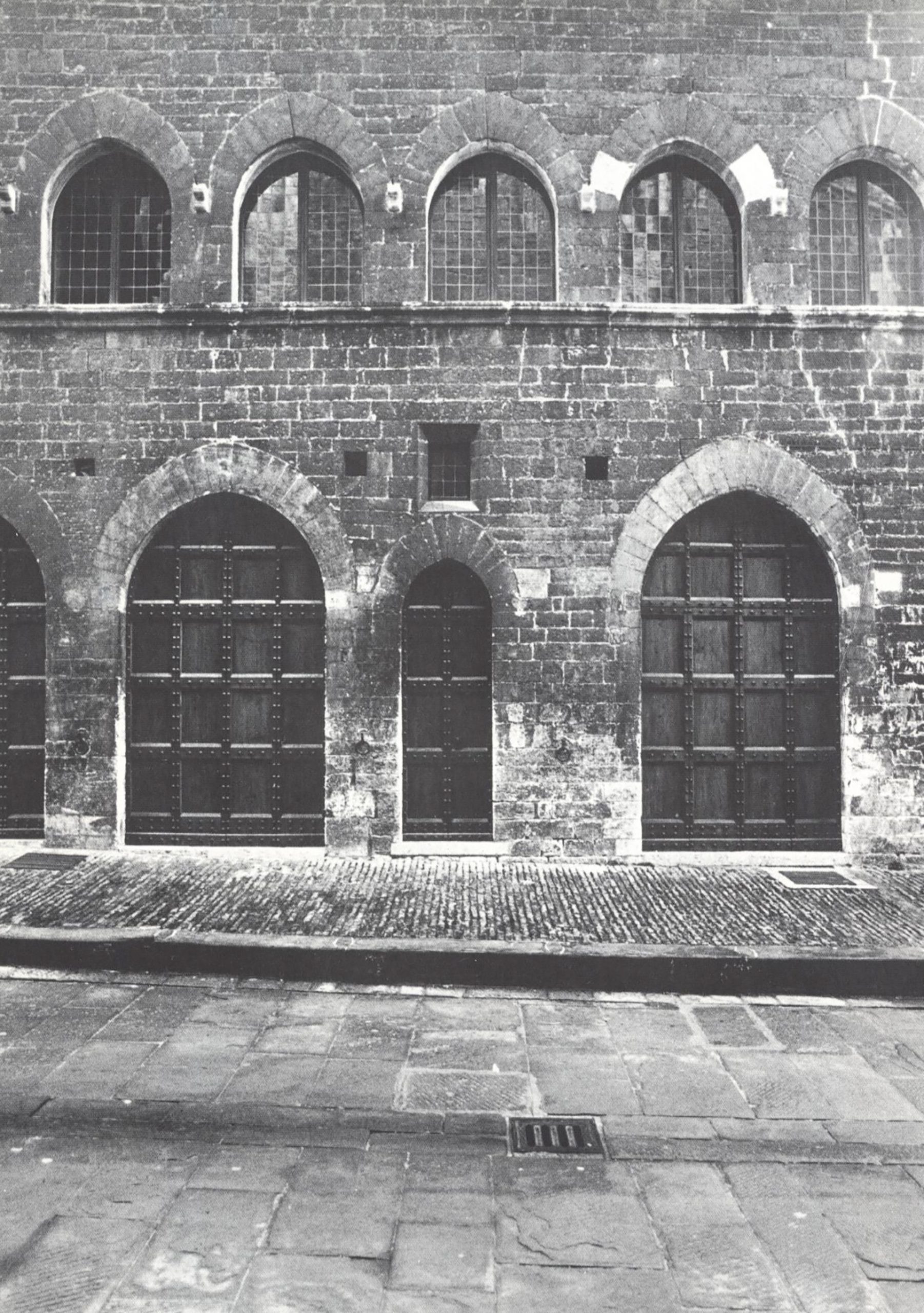
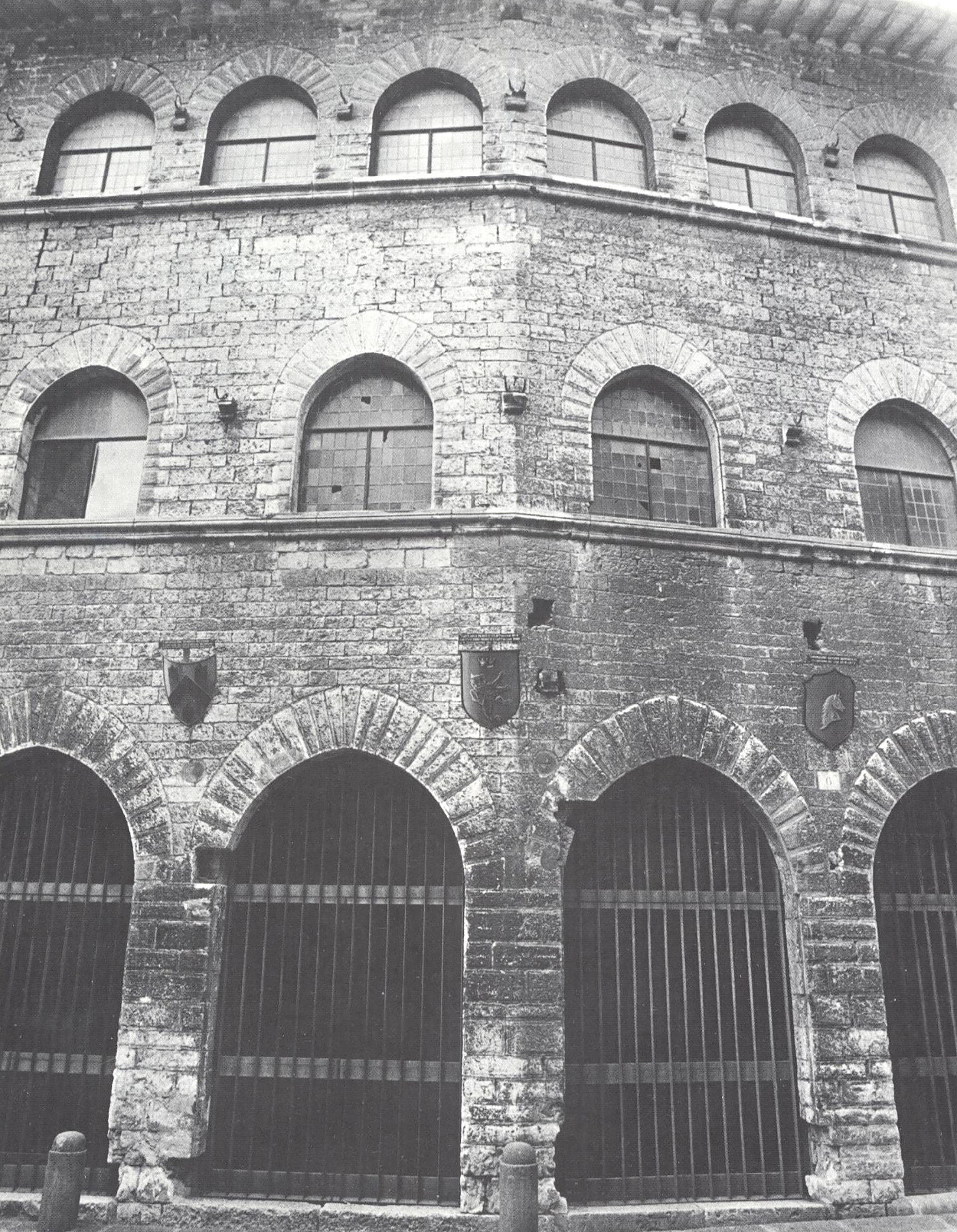
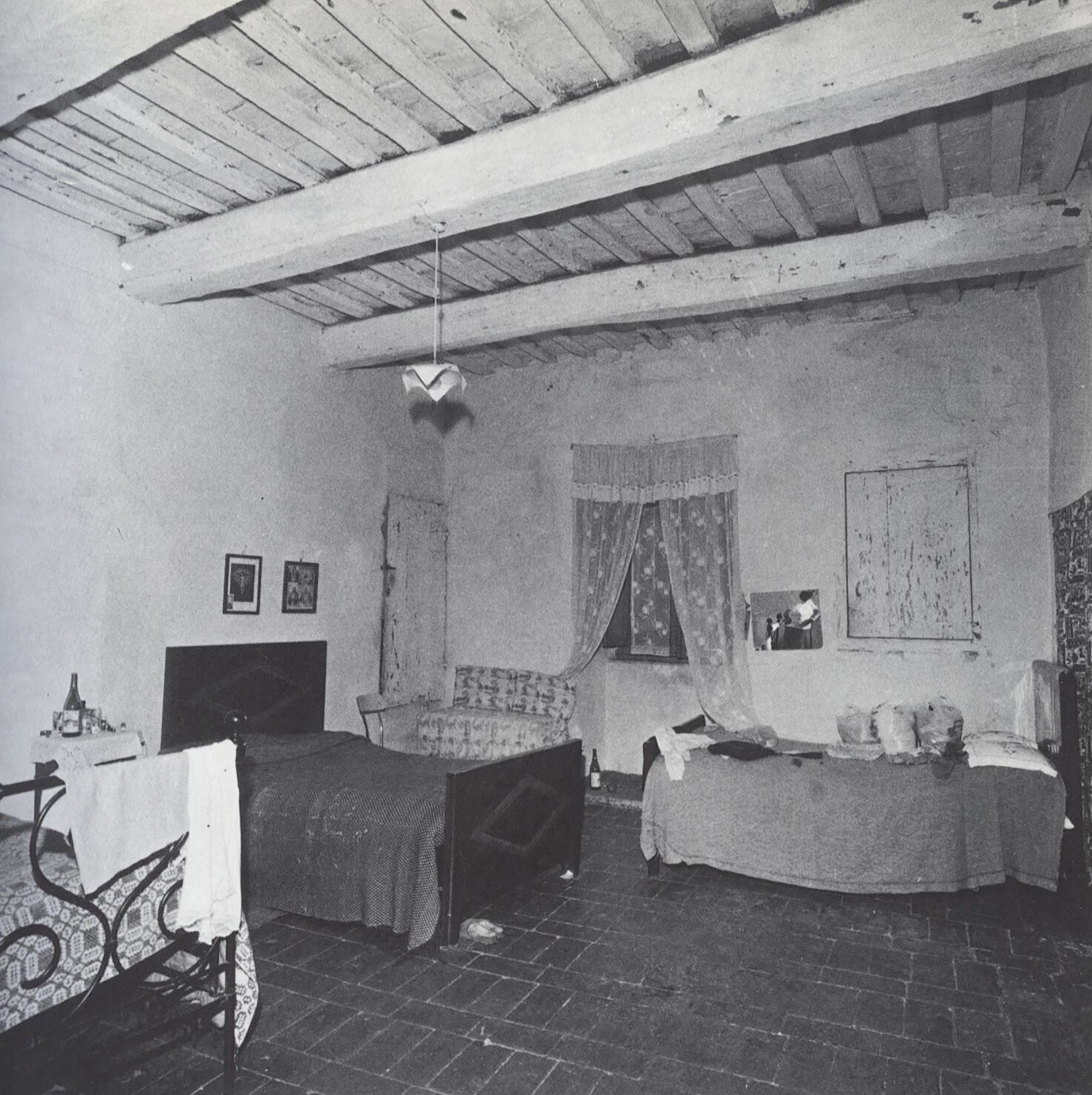
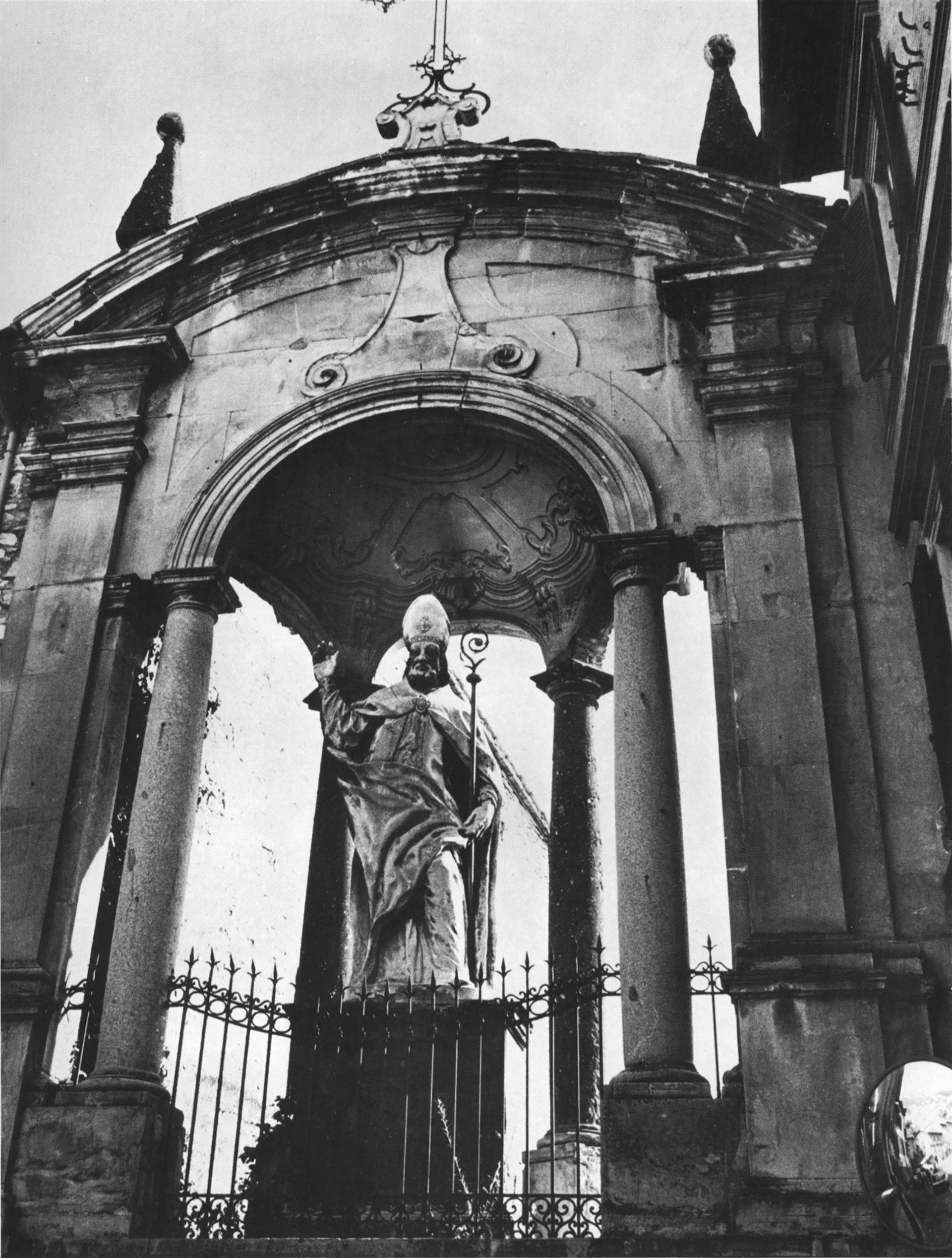
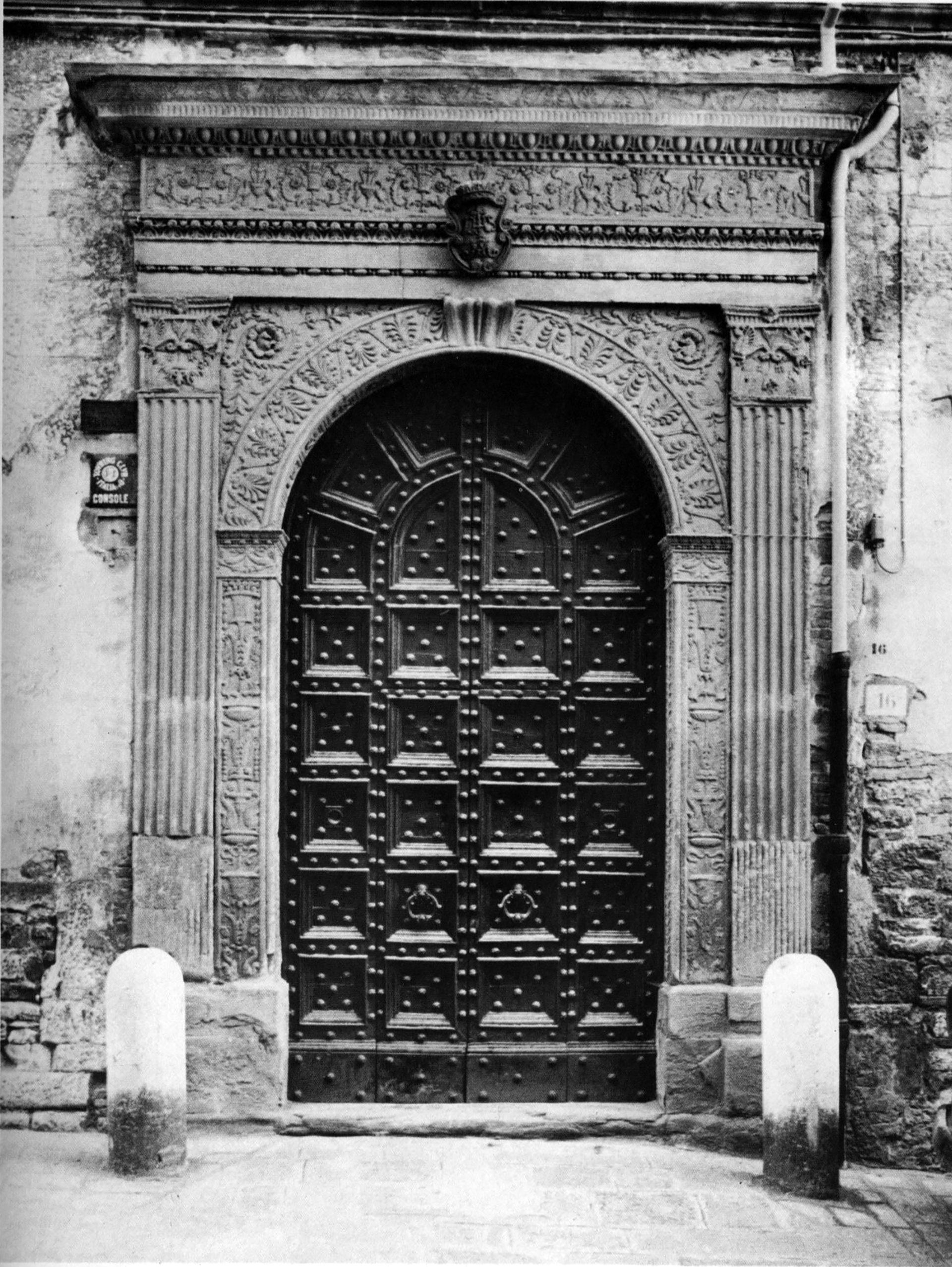
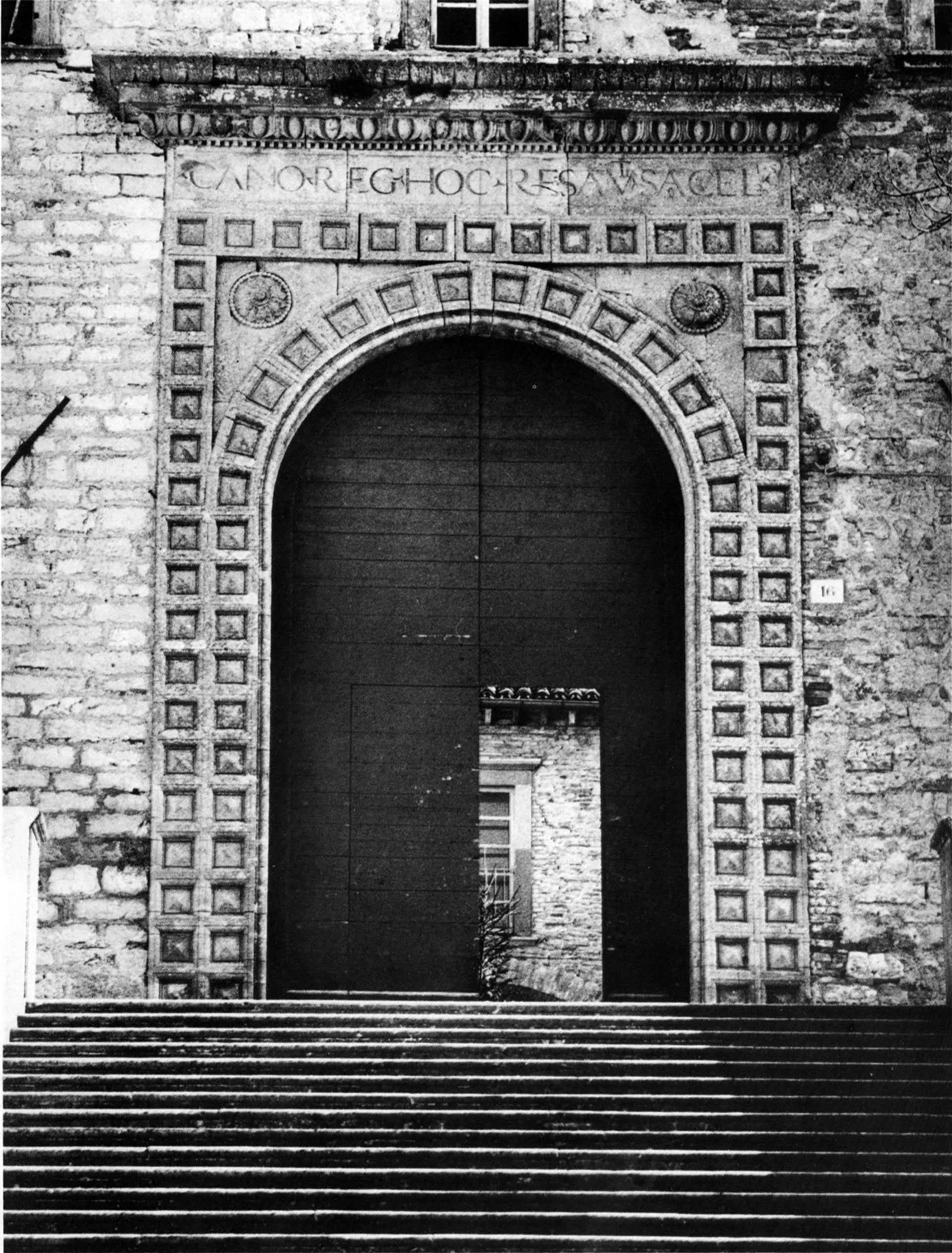
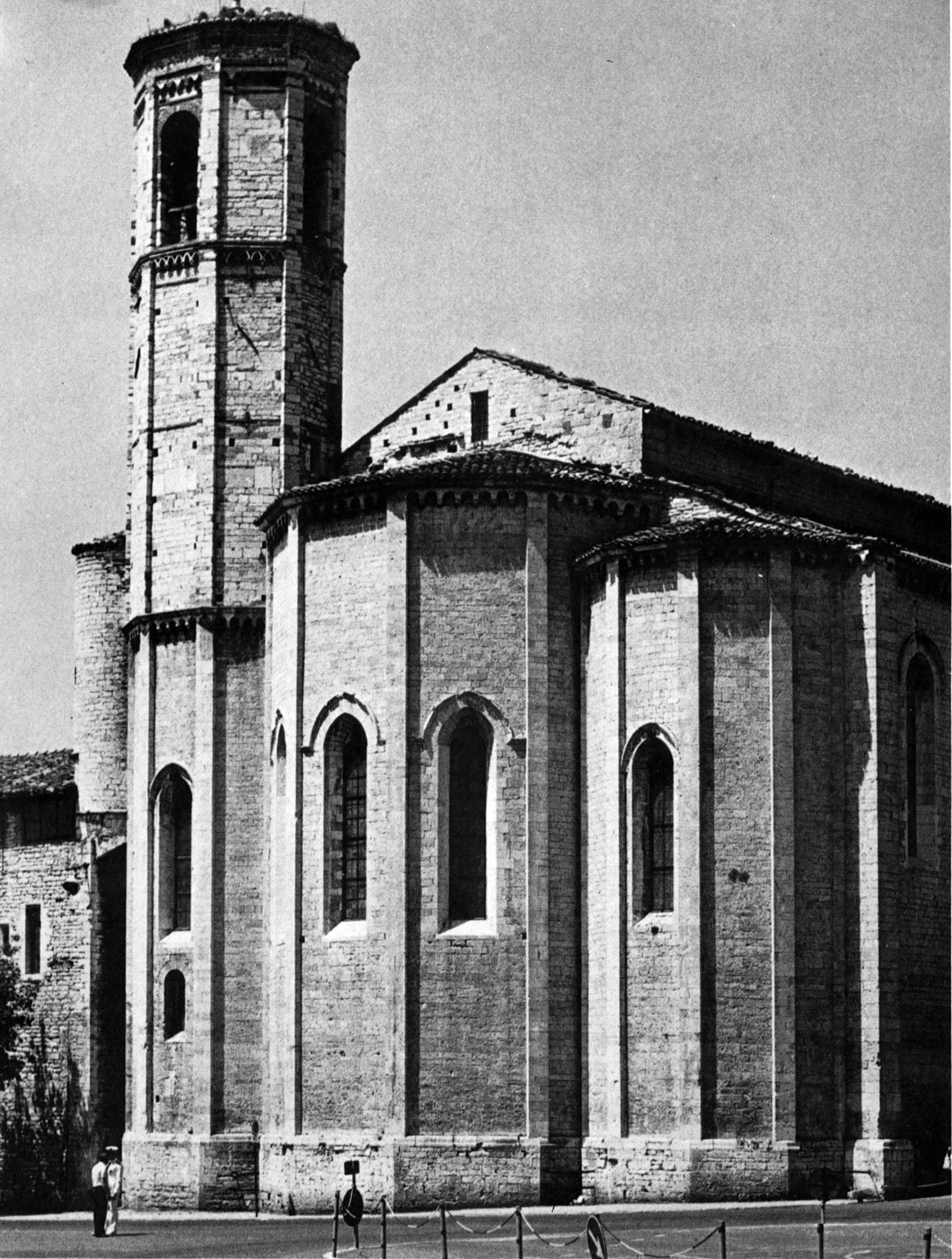
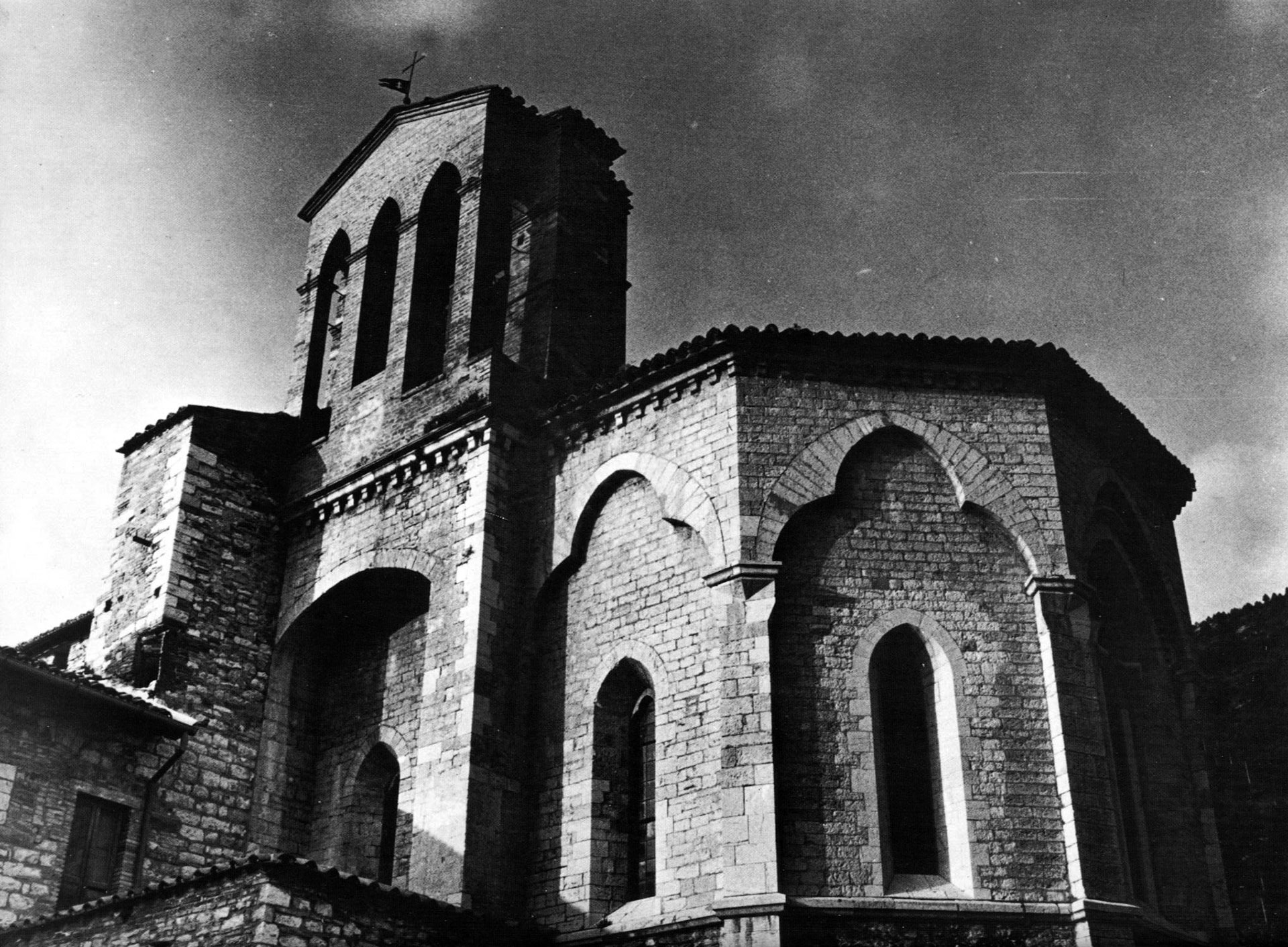
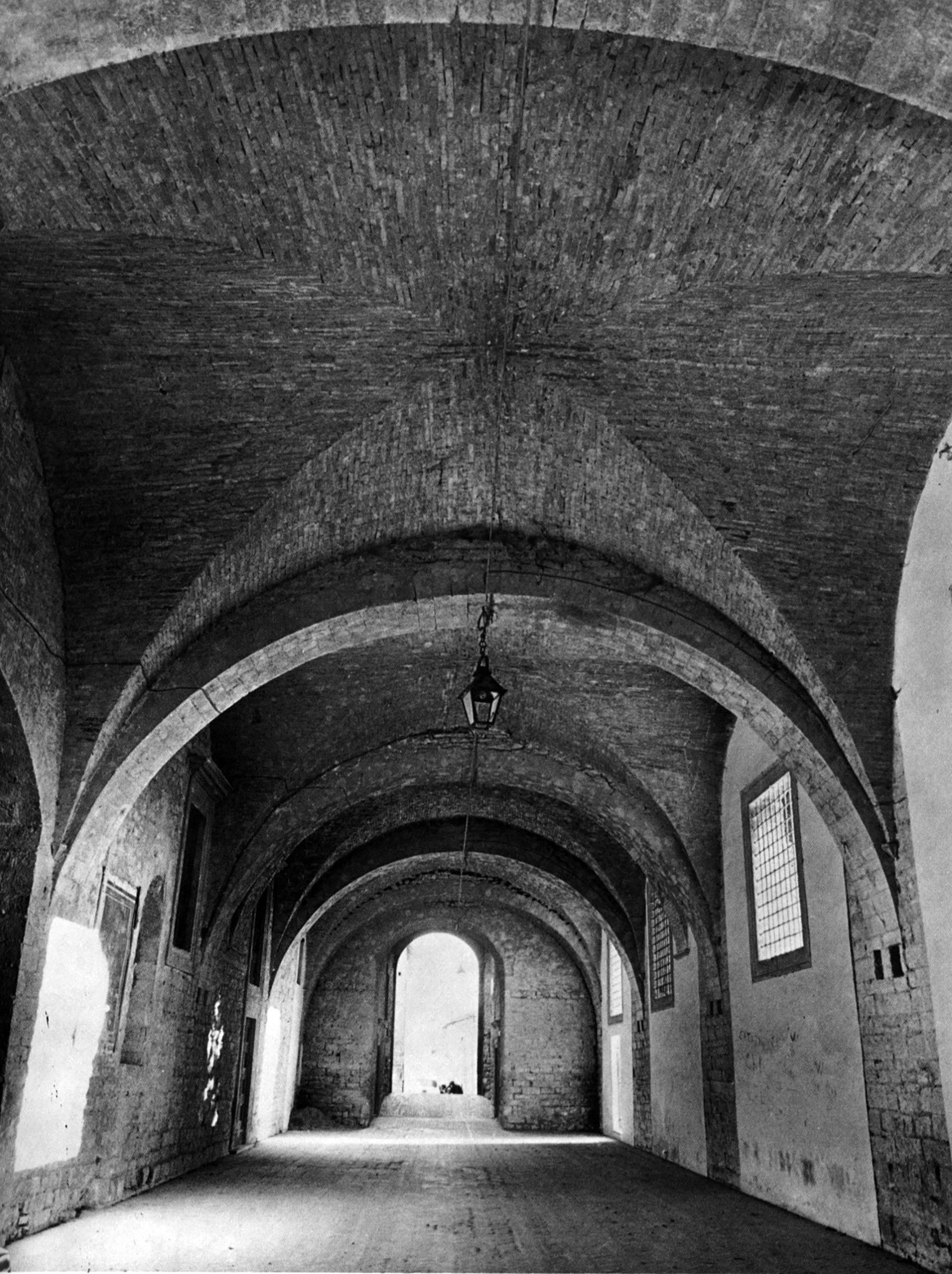
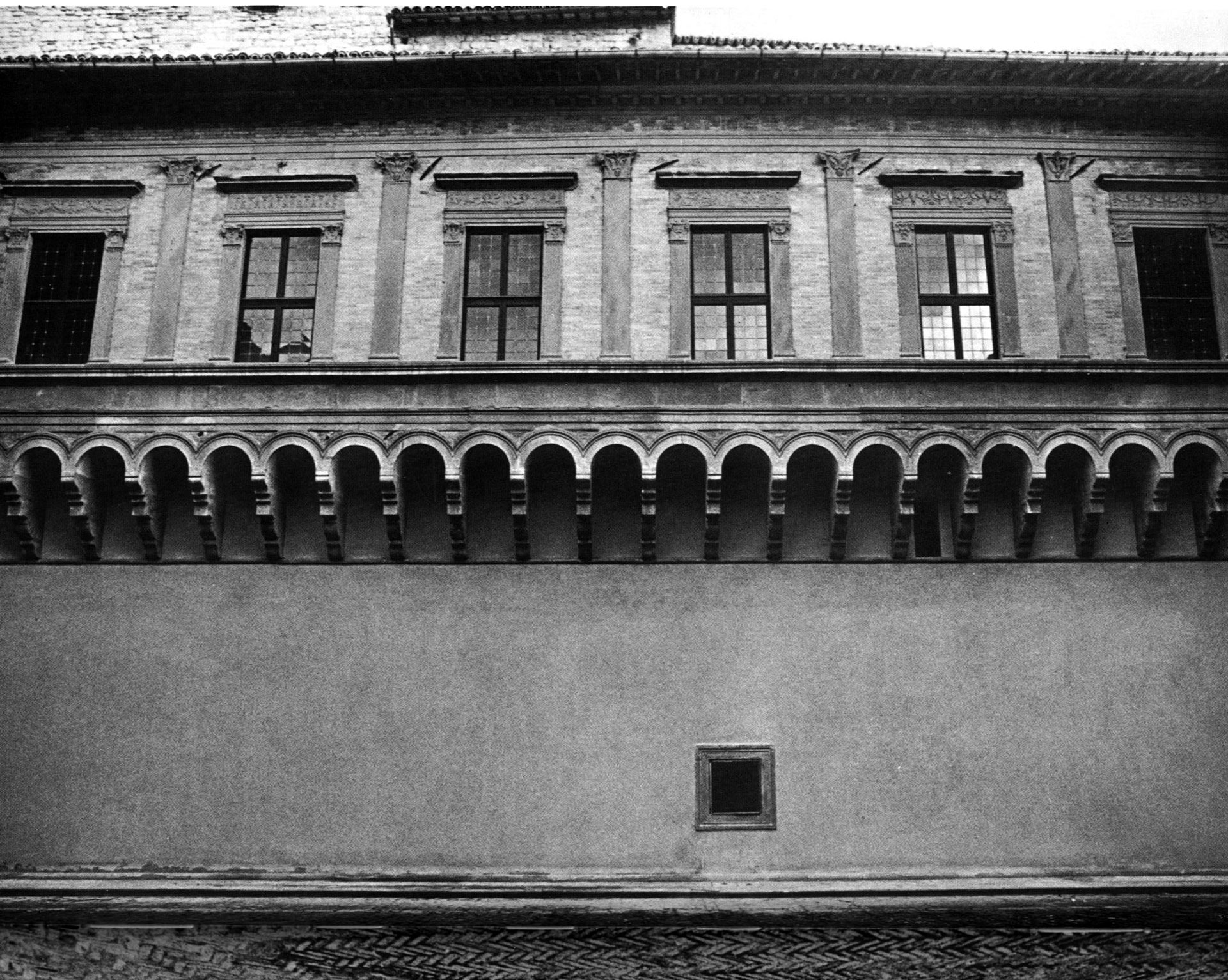
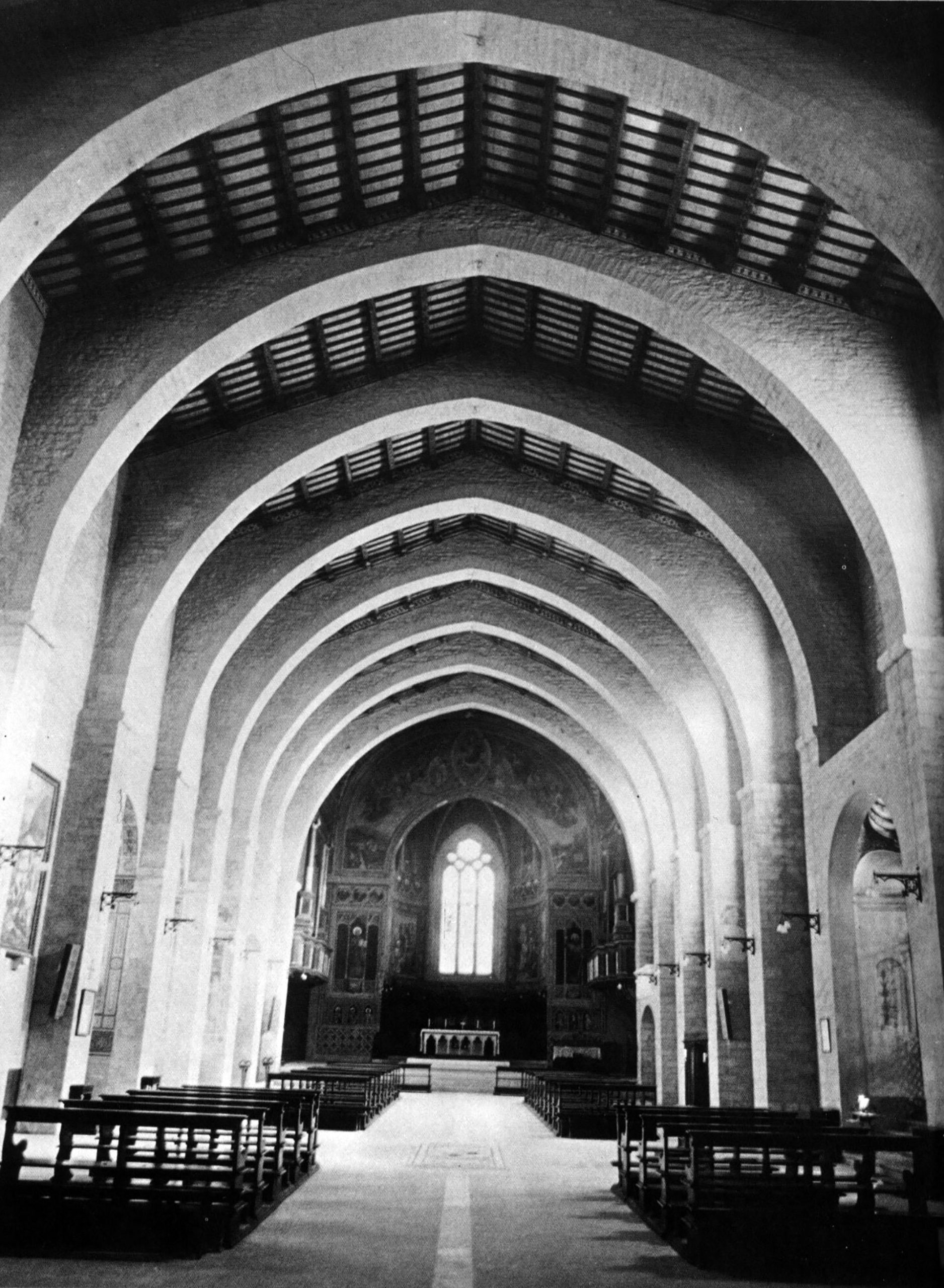
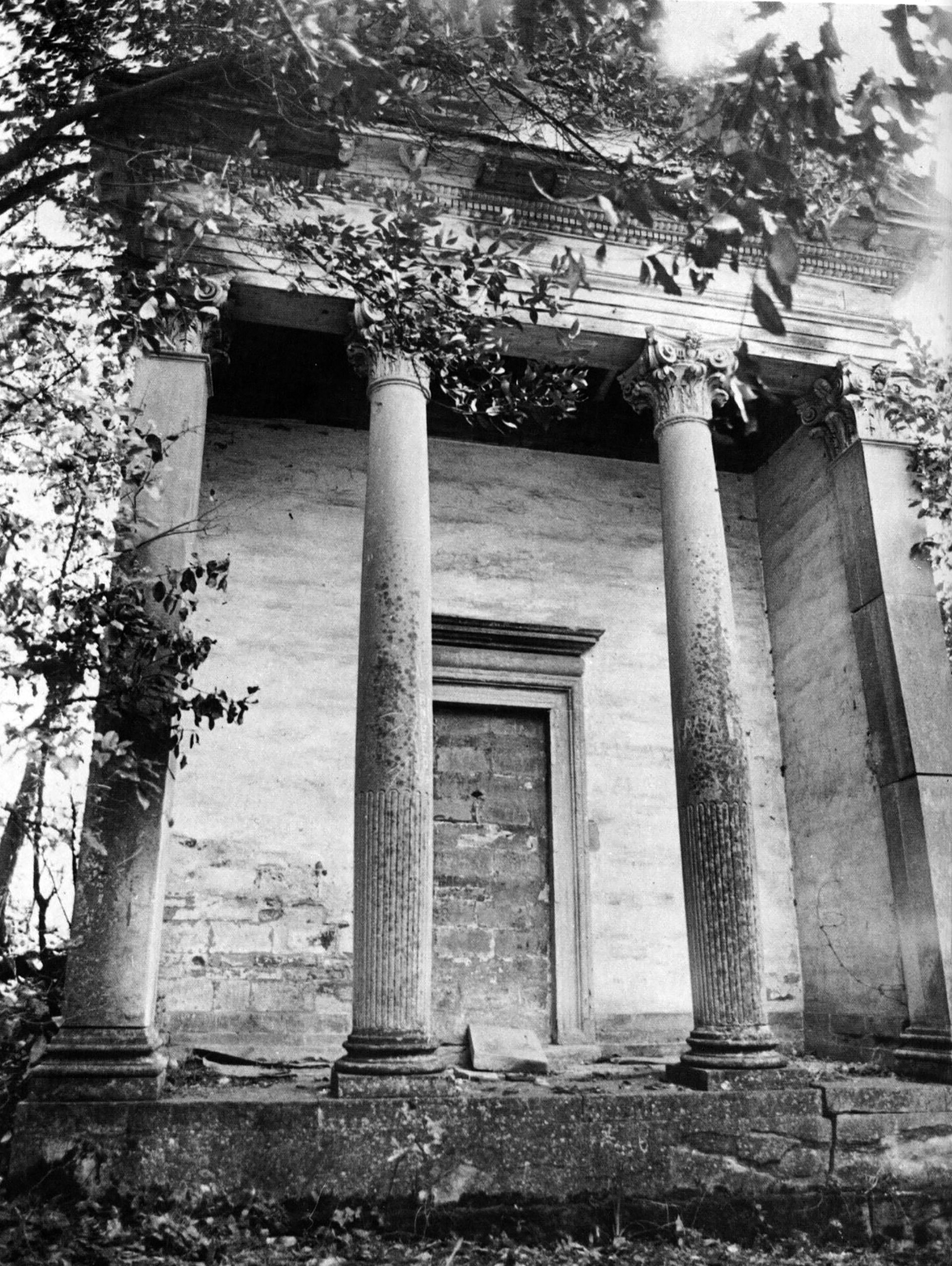
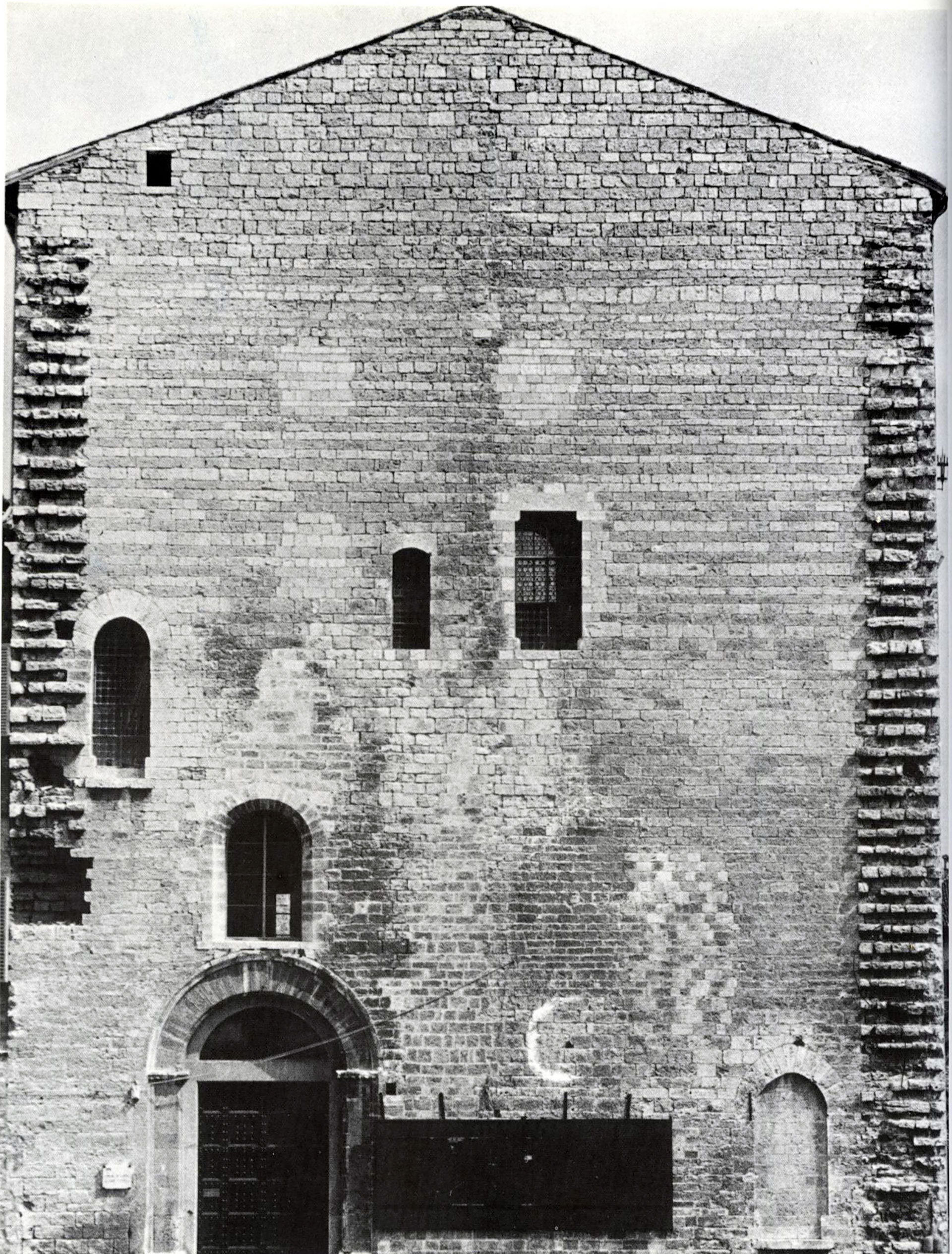
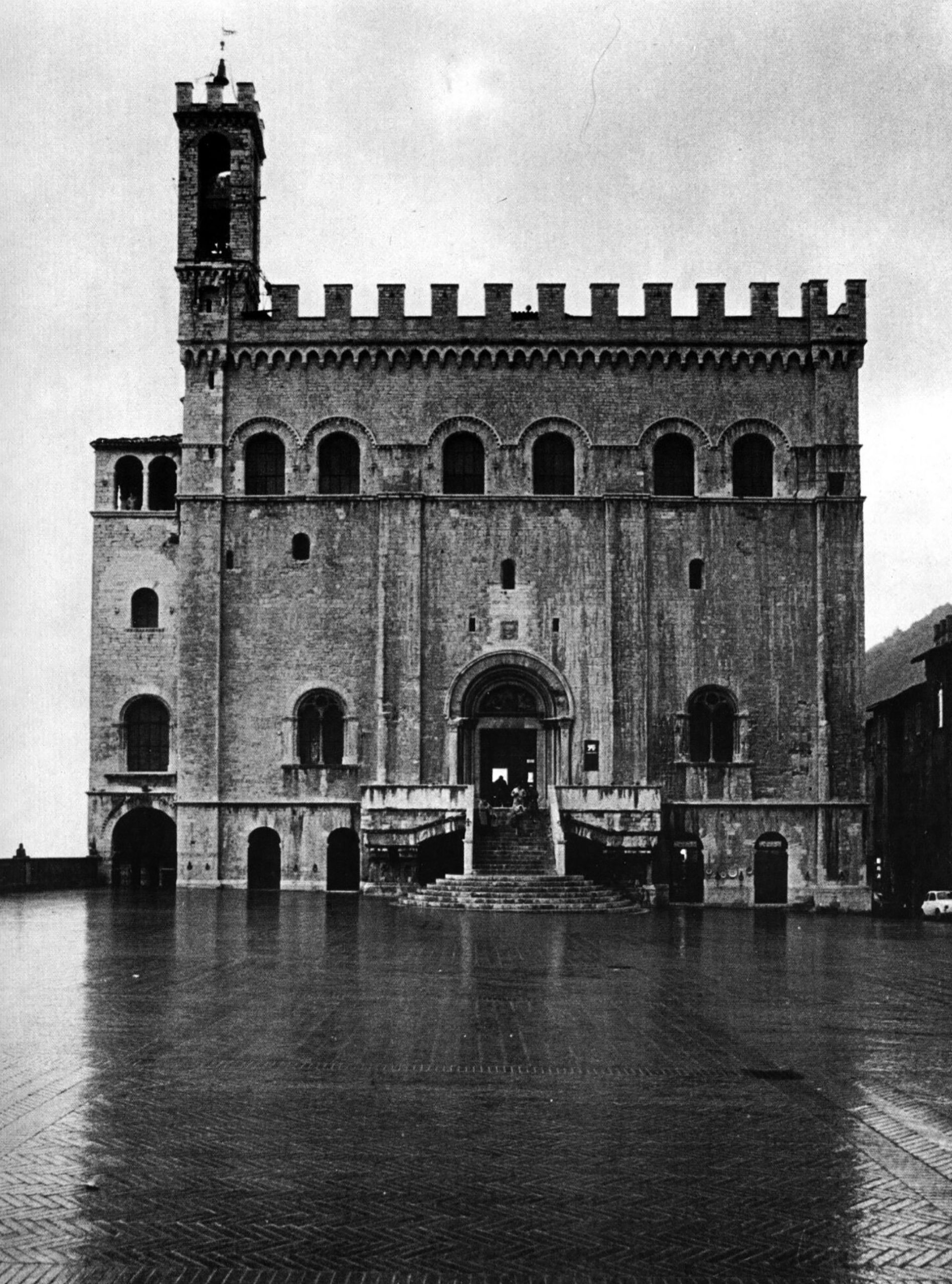
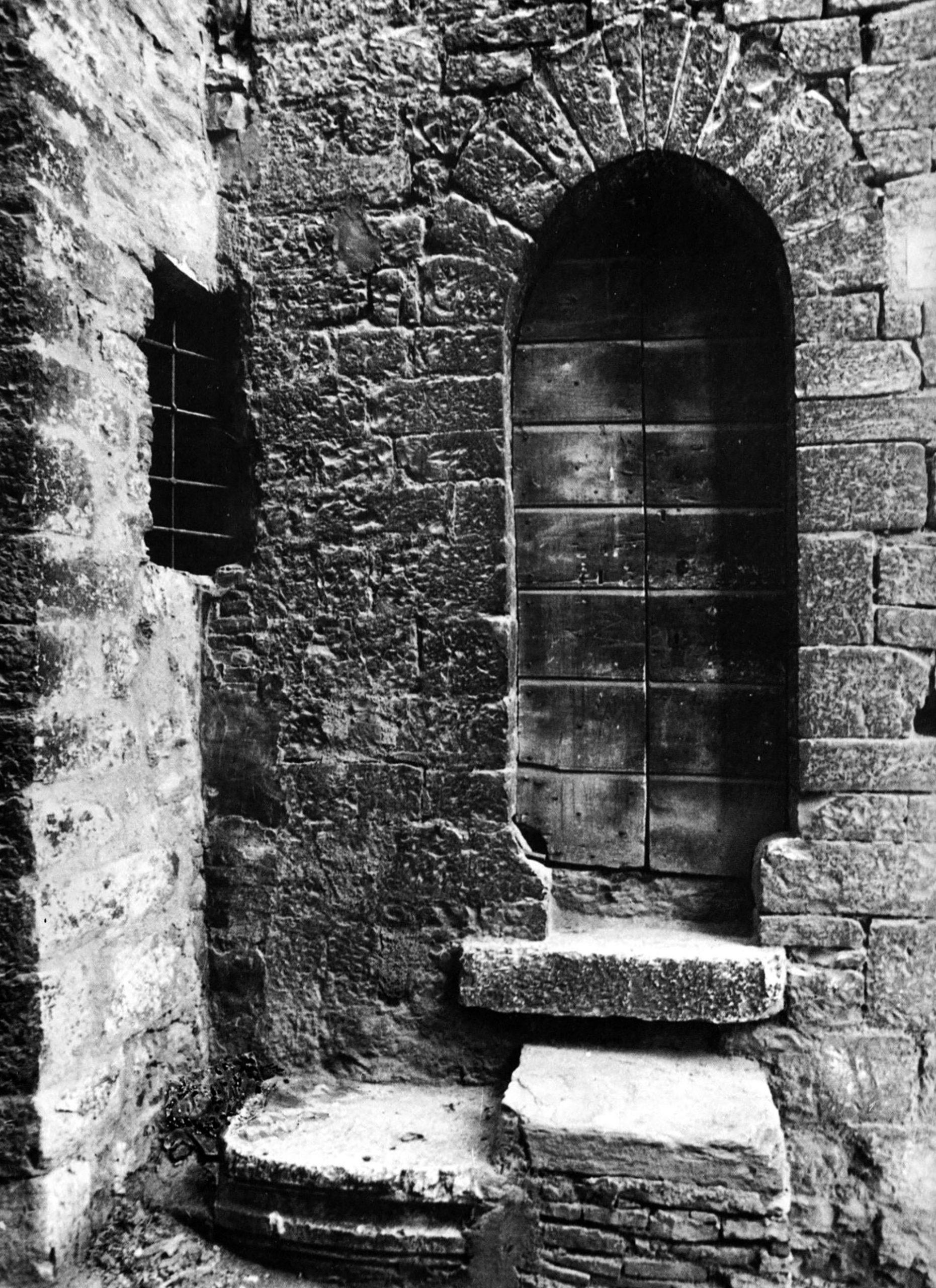
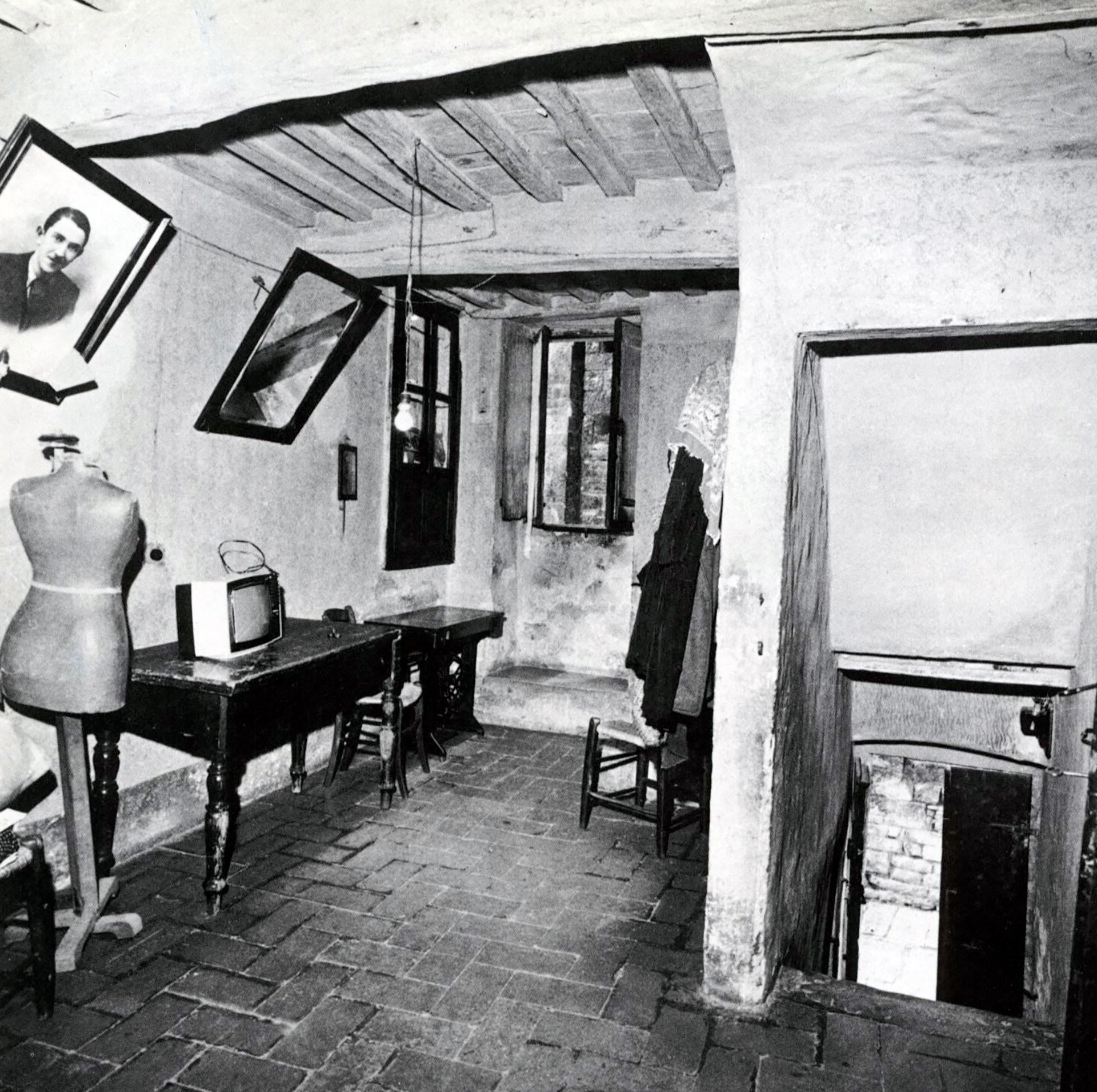
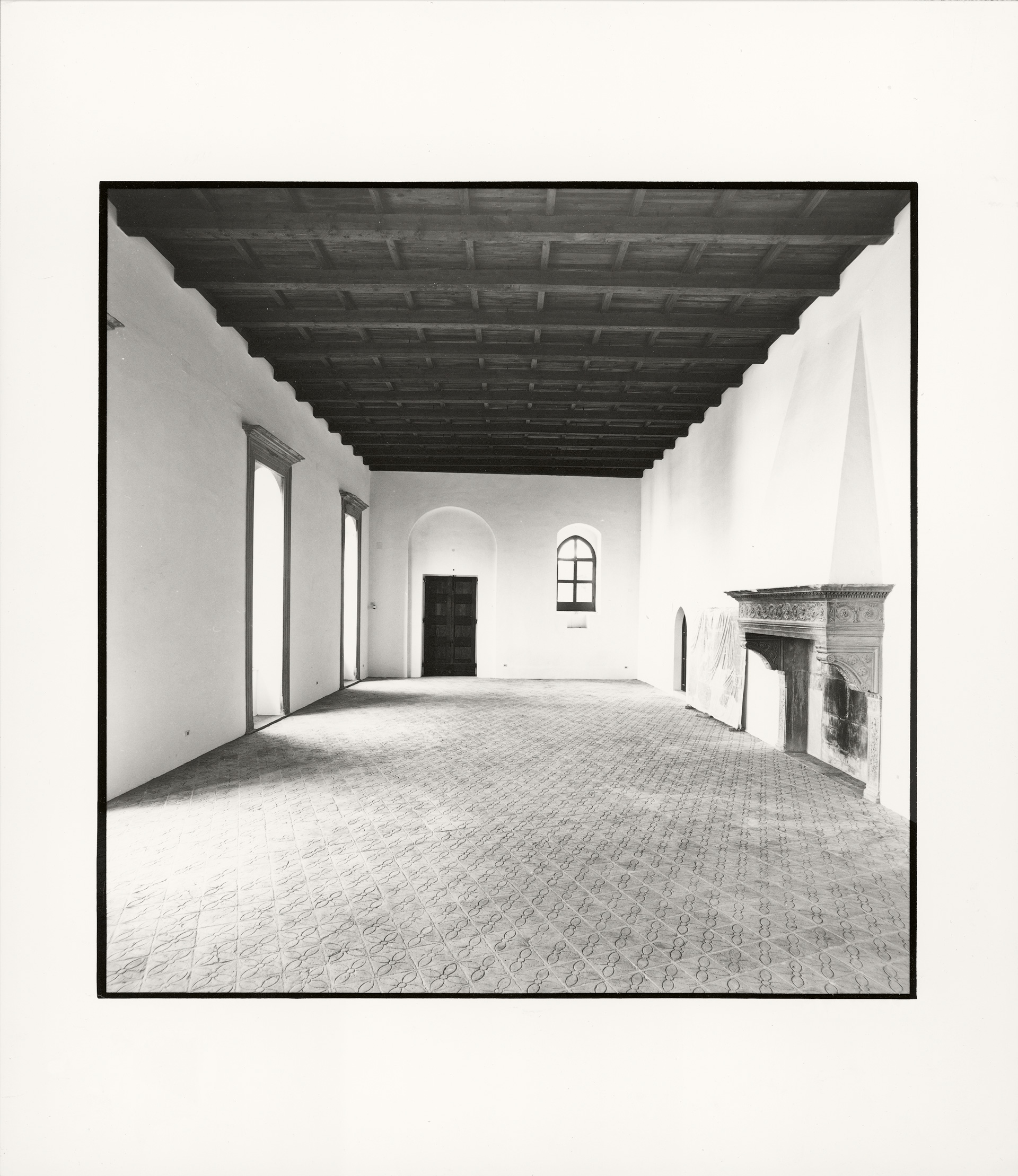
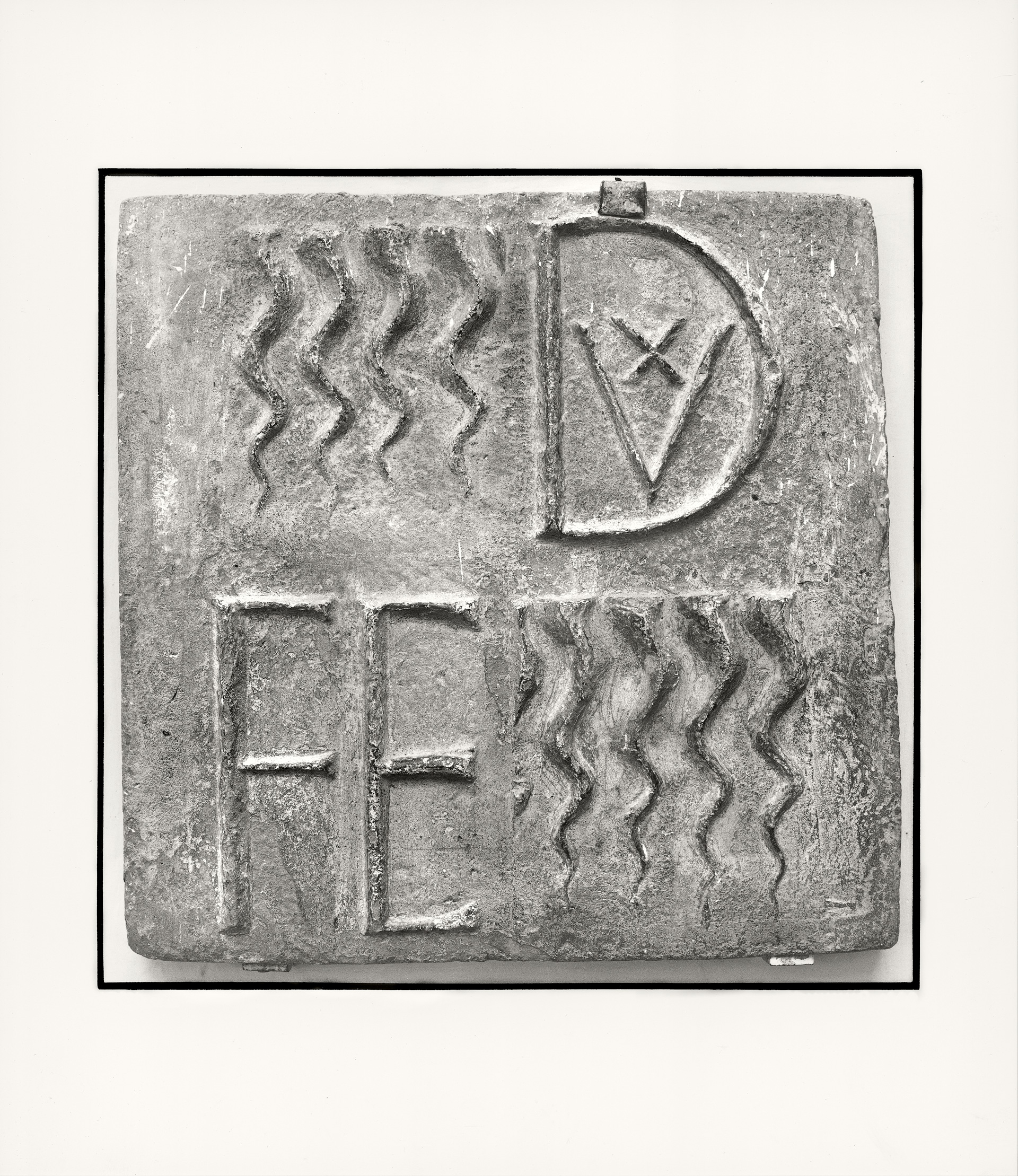
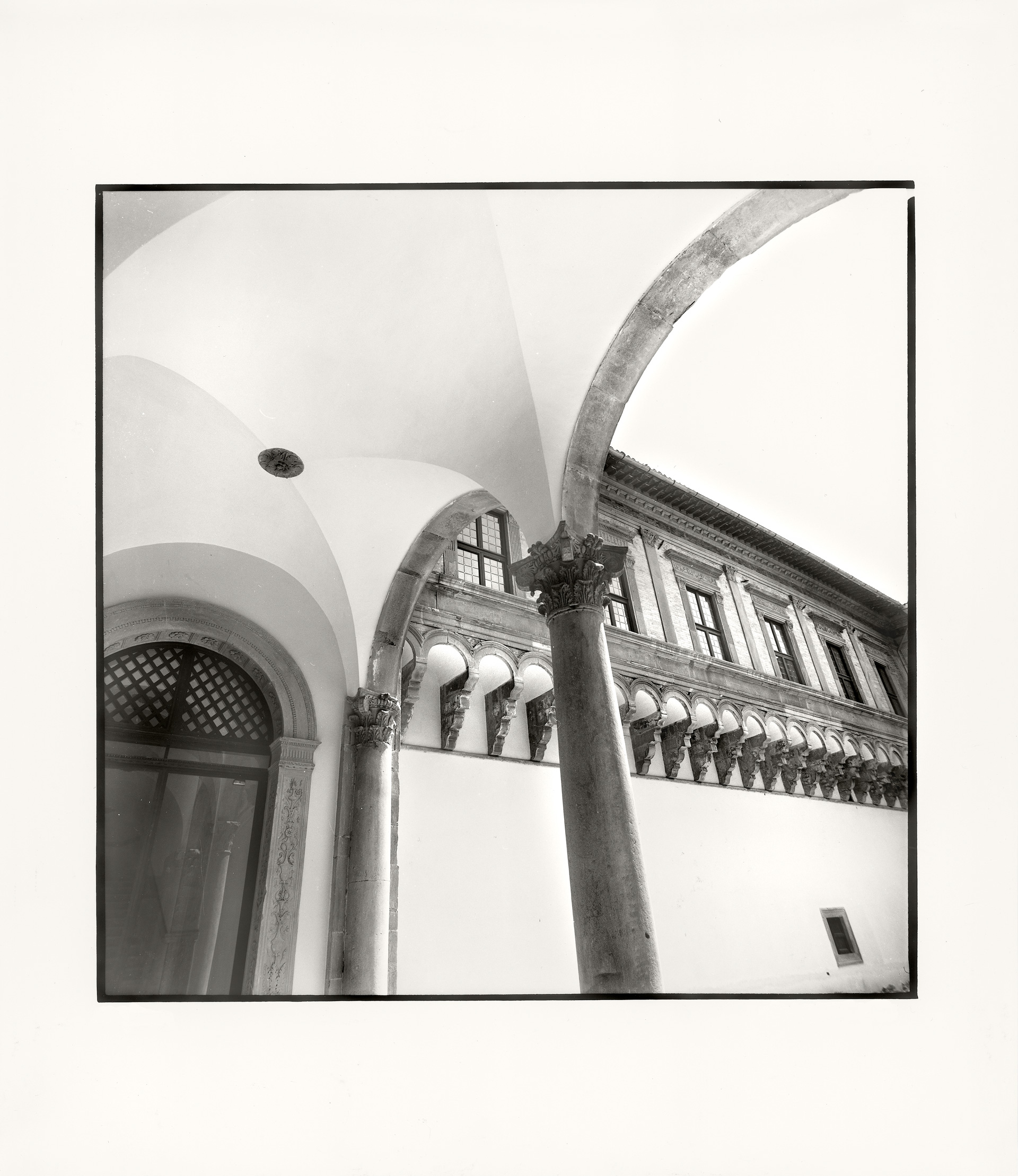
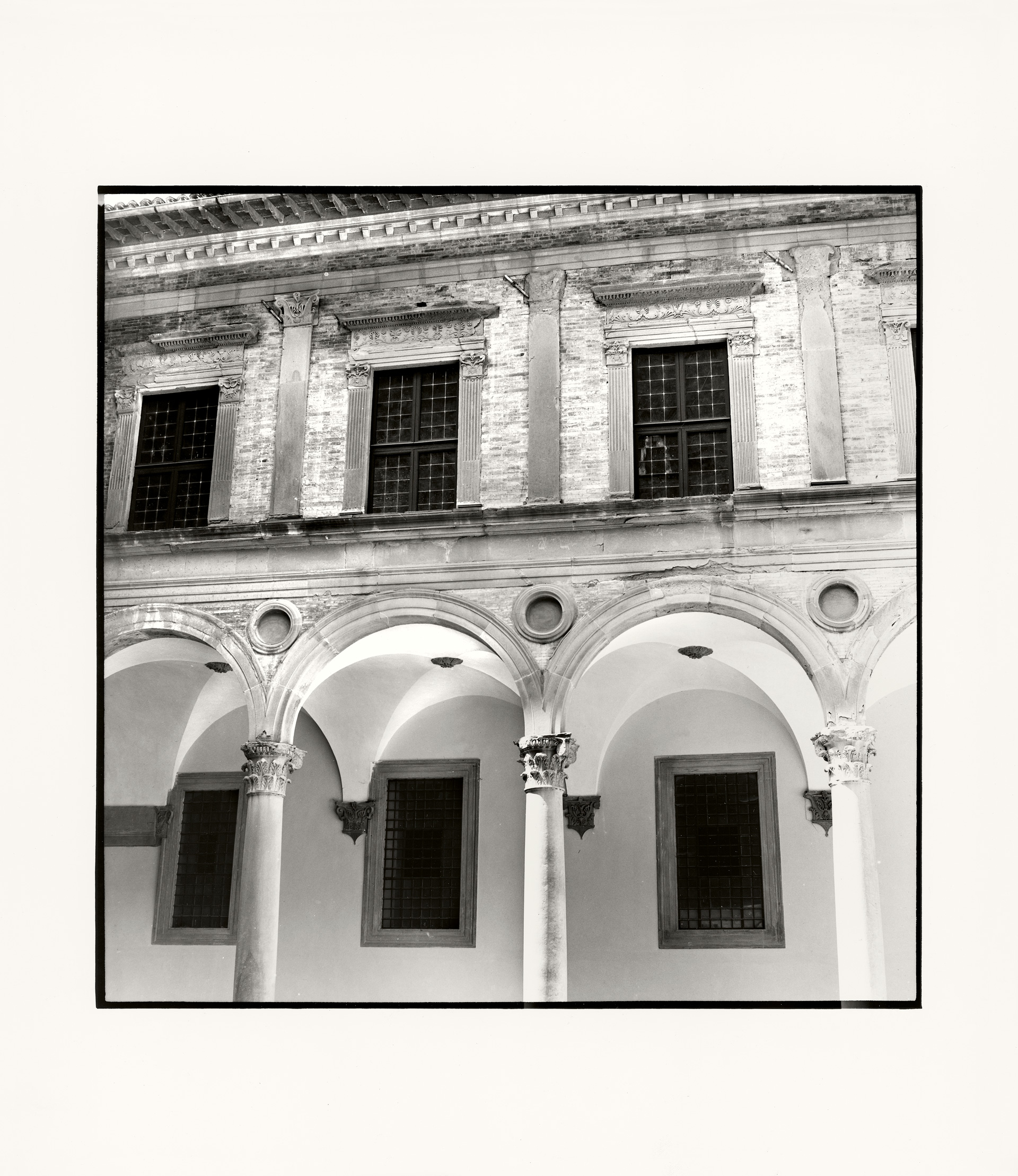
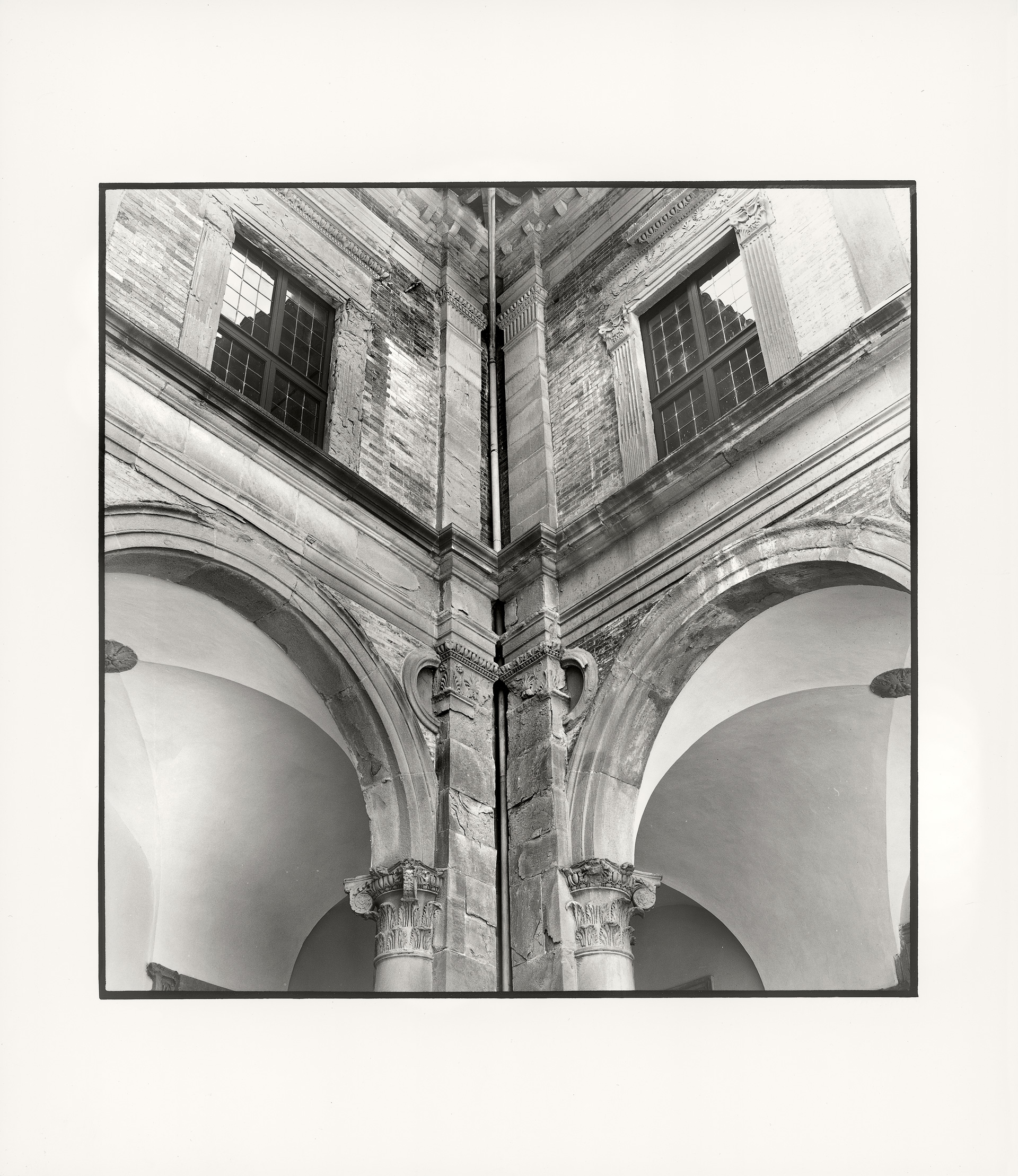
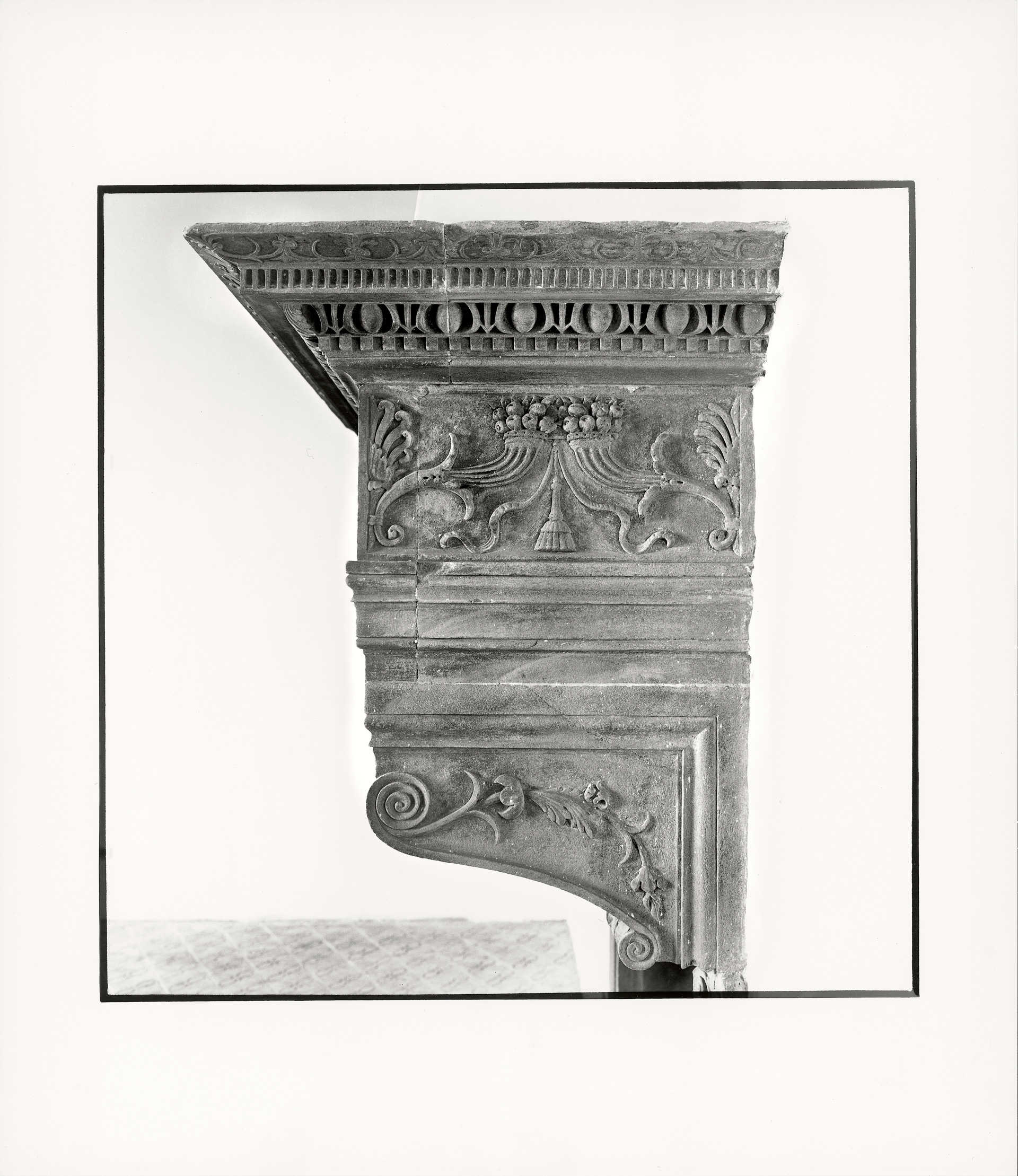
Piattella was particularly drawn to photography, which he pursued throughout his artistic journey. Among his most significant works is the extensive photographic reportage that, in 1982, was largely brought together in the volume devoted to Gubbio, his sacred city (ikuvium, iguvio, julia iguvia, inginum, bobio, agobbio, eugubium, ugubio, gubbio, Foligno – Perugia, Editoriale Umbria, 1982). These rigorously black-and-white photographs—printed and reprinted in his studio together with his son Augusto until the desired tonal gradations were achieved—frame this austere city of stone under the most varied lighting conditions, seeking to capture every relief, every “pulse” of those largely medieval masonry surfaces. An endless sequence of images that he “weaves together” through his camera and that remains an outstanding, unsurpassed visual narrative of the city.
Piattella’s images, Roberto Abbondanza notes in his introduction to the volume, possess “a dry, direct, documentary quality; they are the expression of precise interpretative intuitions concerning stone and walls, in which there emerges the silent yet highly eloquent language that narrates the history of the city through the physical evidence of structures created at different times and which have become far more integrated than superimposed”.
Enrico Crispolti, in his text published in the same volume, specifies that what matters here is “the fabric of the urban artefact, in its material and object-like presence. This interpretation in fact analyses it with great attention to the themes and modes of perception. The constructive themes of the city as object, and the modes of its articulated perception, such as the primary material—stone itself—and spaces. Attention is, in any case, constantly, explicitly or at least implicitly directed towards the environmental whole [..] And it is a dynamic attention. Because the book unfolds as though in a narrative rhythm, which is the account of the analytical perception of the urban environment as object, in its very occurrence [..] This Gubbio is not, after all, a photographic urban theatre [..] but rather the object of a painstaking, meticulous, at times almost classificatory photographic analysis of the environmental components of the urban theatre, of precisely that artificial suspended structure that is Gubbio’s urban theatre, extending as far as the unveiling of hidden depths through the exploration of the underground, brought to light almost like a repression emerging from the unconscious […] A way, precisely, of analytically breaking down Gubbio’s urban theatre […] An interpretation, it should be understood, that is not merely a guide, but a continuous stimulus to discovery: of particular signs, but also of entire complexes […] And the photographic eye [of Oscar Piattella] thus reveals an urban microcosm in all its stratifications of signs and memory”.